Solar Panel Maintenance: The Complete Guide to Protecting Your Investment

You’ve made the decision, installed the system, and watched your first few electricity bills shrink with satisfaction. But here’s a question most solar owners don’t ask until years later: what happens to your system after the initial excitement fades? Solar panels are often marketed as “install and forget” technology, but the reality is more nuanced. As one solar technician who has serviced hundreds of residential systems puts it, “solar panels are low-maintenance, not no-maintenance — and that one-word difference can cost owners thousands over the system’s lifetime.”
This is exactly why understanding solar panel maintenance properly matters so much. It’s not just about occasionally wiping dust off panels — it covers inverter health, wiring integrity, structural mounting, monitoring systems, and warranty compliance. In this blog, we’ll walk through every dimension of proper maintenance, the real data behind neglect versus care, and a practical framework for keeping your system performing optimally for its full 25-year lifespan.
Why Solar Panel Maintenance Is Often Misunderstood
Solar energy is frequently marketed around its simplicity — no moving parts, no fuel required, minimal intervention needed. While this is largely true compared to traditional generators or mechanical systems, it has created a widespread misconception that solar panels require virtually zero ongoing attention.
In reality, solar panel maintenance is a holistic practice involving multiple components working together — the panels themselves, the inverter converting DC to usable AC power, the wiring connecting everything, and the mounting structure keeping it all secure. Neglecting any one of these elements can silently reduce performance or, in worse cases, lead to system failures or safety hazards.
The Cost of Neglect: What the Data Shows
Studies and field reports consistently show that poorly maintained solar systems underperform their rated capacity by 20-30% within just a few years of installation. This isn’t due to any single catastrophic failure, but rather an accumulation of smaller, overlooked issues — dust buildup, minor wiring degradation, inverter inefficiencies, and undetected shading from growing vegetation.
Financial Impact Example:
A residential system designed to generate 400 units monthly, operating at 25% below potential due to neglected solar panel maintenance, loses approximately 100 units every month. Over a year, that’s 1,200 units of lost generation — a substantial chunk of the very savings that justified the original investment.
For larger commercial or industrial systems, this percentage loss scales into significant absolute financial impact, reinforcing why proactive maintenance isn’t optional for anyone serious about maximizing their solar investment.
Panel Surface Care (Cleaning as Part of Maintenance)
While cleaning deserves its own detailed discussion, it’s worth noting as the most visible and frequent component of broader solar panel maintenance. Dust, bird droppings, pollen, and pollution accumulate on panel surfaces over time, physically blocking sunlight from reaching photovoltaic cells.
Regular cleaning — typically every 3-6 weeks depending on regional dust levels — remains the single most impactful and frequent maintenance task most owners need to perform or arrange. However, this is just one piece of a much larger maintenance picture that many owners overlook entirely.
Solar Inverter Maintenance

If panels are the heart of a solar system, the inverter is arguably its brain — converting the direct current (DC) generated by panels into the alternating current (AC) used by your home or business. Solar inverter maintenance is one of the most critical yet frequently neglected aspects of overall system care.
Why Inverters Need Attention:
Inverters contain electronic components that are more sensitive to heat, dust, and humidity than the panels themselves. Many residential inverters are installed in garages, utility rooms, or outdoor enclosures where ventilation and dust exposure can affect long-term performance.
Common Inverter Maintenance Tasks:
- Checking for error codes or warning lights on the inverter display regularly
- Ensuring proper ventilation around the inverter unit, free from dust accumulation or obstruction
- Monitoring inverter efficiency readings against expected generation figures
- Scheduling professional inspection every 1-2 years to check internal components and connections
Inverter Lifespan Considerations:
Unlike solar panels, which often last 25+ years, inverters typically have a shorter lifespan of 10-15 years, meaning most solar systems will require at least one inverter replacement during their operational life. Proper solar inverter maintenance can help maximize this lifespan and avoid premature failures that disrupt generation entirely.
Wiring and Electrical Connection Health
Electrical connections joining panels, inverters, and the grid connection point are subject to wear from heat cycling, weather exposure, and minor vibrations over years of operation. Loose or degraded connections can create efficiency losses or, in more serious cases, safety hazards including fire risk.
What Proper Maintenance Looks Like:
- Periodic visual inspection of visible wiring for signs of wear, cracking, or rodent damage
- Checking connection points at junction boxes for corrosion or looseness
- Ensuring grounding systems remain intact and functional
- Professional electrical inspection every 2-3 years as part of comprehensive solar system maintenance
This dimension is often invisible to homeowners since most wiring isn’t easily visible, which is precisely why periodic professional inspection matters — problems can develop undetected for years without a systematic check.
Structural and Mounting Integrity
Solar panels are typically mounted on rooftops using racking systems designed to withstand wind, rain, and structural stress over decades. However, mounting hardware can loosen over time due to thermal expansion and contraction, strong winds, or minor structural settling.
Key Maintenance Checks:
- Verifying mounting bolts and brackets remain tight and secure, particularly after storms or extreme weather events
- Checking for any signs of roof damage or leaks around mounting points
- Ensuring panels remain at their intended tilt angle for optimal sun exposure
- Confirming no structural shifting has occurred that could affect panel alignment or create shading issues
Neglecting structural integrity doesn’t just risk performance — in severe cases, it can pose genuine safety hazards if panels become loose during high winds or storms.
Monitoring System Health
Most modern solar installations include monitoring software or apps that track real-time and historical generation data. This monitoring capability is itself an important solar panel maintenance tool, allowing owners to catch problems early rather than discovering them months later through unexpectedly high electricity bills.
How to Use Monitoring Effectively:
- Check generation data weekly, comparing it against expected output for the season and weather conditions
- Set up alerts (many systems offer this) for sudden drops in generation that might indicate a fault
- Keep historical records to identify gradual declines that might not be obvious day-to-day but become clear over months
- Share monitoring access with your maintenance provider if using a professional service, allowing them to proactively flag issues
Understanding Solar Panel Lifespan and Degradation
Every solar panel experiences natural performance degradation over time, even with perfect maintenance. Understanding this helps set realistic expectations and distinguish between normal aging and maintenance-related issues.
Typical Degradation Rates:
Most quality solar panels degrade at a rate of approximately 0.5-0.8% per year, meaning a panel operating at 100% capacity in year one might operate at around 80-85% capacity after 20-25 years — still a substantial portion of original output.
Why This Matters for Maintenance:
Understanding normal solar panel lifespan degradation helps owners distinguish between expected, gradual decline and abnormal performance drops caused by maintenance neglect, damage, or technical faults. If your system shows efficiency losses significantly beyond this expected annual degradation rate, it’s a strong signal that maintenance attention is needed rather than simply natural aging.
Extending Effective Lifespan:
While manufacturers typically warranty panels for 25 years, proper ongoing solar system maintenance can help ensure panels perform closer to their rated capacity throughout this entire period, rather than experiencing accelerated degradation due to neglected cleaning, undetected hotspots, or electrical issues.
Warranty Compliance and Documentation
Many solar owners don’t realize that manufacturer and installer warranties often come with specific maintenance requirements. Failing to maintain proper documentation or follow specified care guidelines can potentially void warranty coverage, leaving owners financially exposed if issues arise later.
Best Practices for Warranty Protection:
- Keep records of all cleaning and maintenance activities, including dates and methods used
- Retain receipts and documentation from any professional solar panel inspection or service visits
- Review warranty terms carefully to understand any specific maintenance obligations (certain warranties specify professional cleaning requirements, for instance)
- Register your system with the manufacturer if required, and keep this registration information accessible
Creating a Comprehensive Maintenance Schedule
Based on the dimensions covered above, here’s a practical framework combining all aspects of solar panel maintenance:
Monthly:
- Visual inspection for visible dust, debris, or shading issues
- Check monitoring app/dashboard for generation anomalies
Every 4-6 Weeks (adjust based on region):
- Panel surface cleaning based on local dust/pollution levels
Every 6 Months:
- Check inverter display for error codes or warnings
- Visual inspection of accessible wiring and mounting hardware
Annually:
- Comprehensive professional solar panel inspection covering wiring, connections, and structural mounting
- Review generation data trends against expected degradation rates
- Verify warranty documentation remains current and accessible
Every 1-2 Years:
- Professional solar inverter maintenance check, including internal component inspection
- Deeper electrical safety inspection of grounding and connection points
Real-World Impact: Why Maintenance Pays Off
Case Example — Residential System:
A homeowner in Pune who maintained a strict cleaning and annual inspection schedule reported consistent generation figures closely matching expected output even after 6 years of operation, while a neighbor with an identical system who skipped regular maintenance saw generation drop nearly 25% below expected levels over the same period — a direct illustration of maintenance impact.
Case Example — Commercial Installation:
A mid-sized manufacturing unit that invested in a comprehensive annual maintenance contract, including inverter servicing and electrical inspections, avoided a potential inverter failure that was caught during a routine check — preventing weeks of lost generation and a costly emergency replacement that would have been required otherwise.
Conclusion: Protecting a 25-Year Investment
Solar panel maintenance is ultimately about protecting a long-term investment designed to deliver value for a quarter-century or more. While the panels themselves require relatively little intervention compared to traditional energy systems, the complete picture — inverter health, wiring integrity, structural soundness, and consistent cleaning — demands genuine ongoing attention.
By understanding the full scope of solar system maintenance, scheduling regular solar panel inspection, and recognizing normal solar panel lifespan degradation versus maintenance-related issues, owners can ensure their systems perform as close to their original rated capacity as possible throughout their entire operational life. The difference between a well-maintained and neglected system isn’t minor — it’s often the difference between fully realizing your solar investment’s promised returns and quietly losing a significant portion of that value year after year.
FAQs About Solar Panel Maintenance
Q: How often should a professional inspect my solar system?
A: A comprehensive professional inspection is generally recommended annually, with inverter-specific checks every 1-2 years.
Q: Do solar inverters need more maintenance than panels?
A: Yes, inverters contain more sensitive electronic components and typically have a shorter lifespan (10-15 years) compared to panels (25+ years), requiring more regular attention.
Q: Is some performance decline normal even with proper maintenance?
A: Yes, panels naturally degrade at approximately 0.5-0.8% annually. This is expected and different from maintenance-related performance loss.
Q: Can neglecting maintenance void my solar warranty?
A: In some cases, yes. Many warranties specify maintenance requirements, so reviewing your warranty terms and keeping documentation is important.
Q: What’s the most commonly overlooked maintenance task?
A: Inverter maintenance and wiring inspections are frequently overlooked, as most owners focus only on visible panel cleaning while ignoring less visible system components.
Trusted by 50000+ Customers
Anya Green Energy is a leading solar company and Solar Energy service provider established in 2013. We are recognized by startup India and customer best choice award 2022.
Our Achievements :
Recognized by Startup India.
Purvanchal’s first solar company to operate exclusively with solar products.
Certified by well-known institutions such as MSME, IndiaMart, and Just Dial and many more.
Winner of the Best Customer Choice Award 2022.
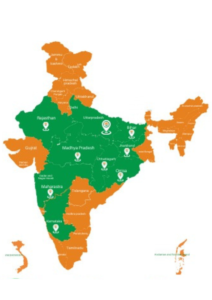
Over 50,000 happy customers across India.