MC4 Connector Explained: The Small Part That Powers Every Solar System
If you’ve ever looked closely at a solar panel installation, you’ve probably noticed small black plastic connectors joining the cables coming out of each panel. They’re easy to overlook — barely a few centimeters long, hidden behind panels or tucked into junction boxes. Yet these unassuming components are responsible for safely carrying every single watt of electricity your solar system generates. As one solar installer bluntly put it, “I’ve seen entire systems underperform or even catch fire because of a five-rupee difference in connector quality — people obsess over panel brands and completely ignore the connector.” That small but critical component is the MC4 connector, and understanding it properly matters far more than most solar owners realize.
In this blog, we’ll break down exactly what an MC4 connector is, why it’s become the global standard, the different types available, installation best practices, and the common mistakes that can turn this tiny component into a major system liability.
What Is an MC4 Connector?
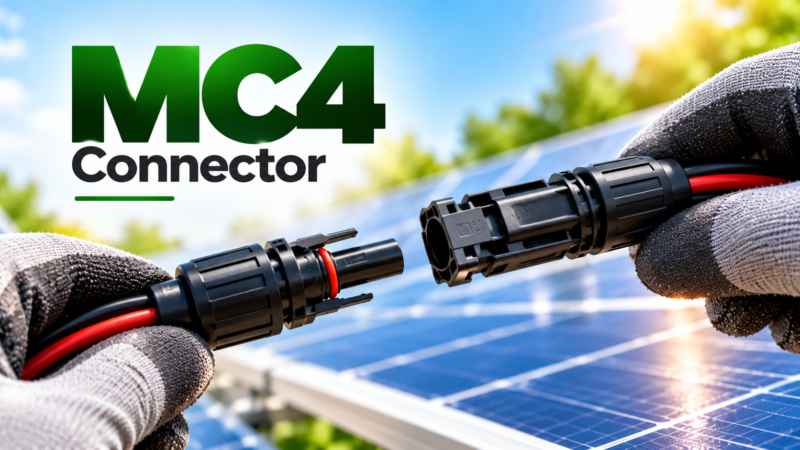
An MC4 connector is a specific type of single-contact electrical connector widely used to join solar panels to each other and to the rest of a solar power system, including inverters and combiner boxes. The name “MC4” comes from the manufacturer Multi-Contact (now part of Stäubli), with the “4” referring to the 4mm diameter of the connector pin.
MC4 connectors come in male-female pairs that snap together with a distinctive clicking sound, creating a secure, weatherproof connection that can only be separated using a specialized disconnection tool — a deliberate design feature preventing accidental disconnection while the system is live and under load.
Since their introduction, MC4 connectors have become the de facto global standard across the solar industry, used in the vast majority of residential, commercial, and utility-scale installations worldwide.
Why MC4 Connectors Became the Industry Standard
Before standardized connectors like MC4 existed, solar installations often used generic electrical connectors not specifically designed for outdoor, high-voltage DC applications. This created genuine safety and reliability concerns, particularly given solar panels’ constant outdoor exposure to rain, dust, UV radiation, and temperature extremes.
Key Reasons for Industry-Wide Adoption:
Weatherproof Design:
MC4 connectors are rated IP67, meaning they’re fully protected against dust ingress and can withstand temporary submersion in water — essential for components that remain outdoors through monsoons, direct sunlight, and temperature swings for 25+ years.
Secure Locking Mechanism:
The locking mechanism prevents accidental disconnection, which is particularly important given that solar DC circuits can carry dangerous voltage and current levels even when a system appears “off,” since panels generate electricity whenever exposed to light.
High Current and Voltage Rating:
Standard MC4 connector units are typically rated for up to 30 amps and 1000-1500 volts DC, comfortably handling the electrical loads generated by modern high-wattage solar panels.
Universal Compatibility:
Because MC4 became an open, widely adopted standard rather than a proprietary design locked to one manufacturer, panels and cables from different brands can generally connect seamlessly, provided all components use genuine MC4-compliant connectors.
Technical Specifications Every Installer Should Know
Understanding the technical specifications behind an MC4 connector helps installers and system designers make informed decisions, particularly for larger or more complex installations.
Voltage and Current Ratings:
Most standard MC4 connectors handle up to 1000V DC (with some rated to 1500V for utility-scale applications) and current ratings typically between 20-30 amps, though this varies slightly by manufacturer and specific product line.
Temperature Tolerance:
Quality MC4 connectors are designed to operate reliably across a wide temperature range, typically from -40°C to +90°C, ensuring performance consistency whether installed in cold northern regions or scorching rooftop conditions common across much of India.
Material Composition:
Connector housings are typically made from UV-resistant, flame-retardant plastic (commonly PPO or similar polymers), while internal contacts use tin-plated or gold-plated copper or brass to ensure low electrical resistance and corrosion resistance over decades of outdoor exposure.
MC4 Connector Types and Variations
While the original MC4 connector remains the most common, the market has evolved to include several MC4 connector types suited for different applications.
Standard MC4 (Single Pair):
The basic male-female pair used for straightforward panel-to-panel or panel-to-inverter connections in series wiring configurations.
MC4 Branch Connectors (T-Connectors or Y-Connectors):
These allow multiple panel strings to be combined in parallel configurations, splitting or merging multiple cable connections into a single output, commonly used in larger systems requiring parallel string combinations.
MC4 Multi-Branch Connectors:
Used for combining three, four, or more parallel strings simultaneously, reducing the need for separate combiner boxes in certain system designs.
Locking vs Non-Locking Variants:
While genuine MC4 connectors always include a locking mechanism, the market also has non-genuine “MC4-compatible” connectors without a true locking mechanism — these are generally discouraged due to higher risk of accidental disconnection and water ingress over time.
Original vs Compatible (Generic) Connectors:
This distinction matters significantly for system reliability. Genuine Stäubli-manufactured MC4 connectors meet strict quality and certification standards, while numerous generic “MC4-compatible” connectors flood the market at lower prices but with inconsistent quality control, something installers and system owners should be aware of when sourcing components.
Installation Best Practices for MC4 Connectors
Proper installation of solar cable connector components directly impacts system safety and long-term reliability. Even high-quality connectors can fail prematurely if installed incorrectly.
Step-by-Step Installation Overview:
Strip the cable correctly — expose the appropriate length of conductor without damaging the copper strands, typically following manufacturer specifications (usually around 7-8mm).
Crimp the contact pin properly — using a dedicated MC4 crimping tool, ensuring a secure, low-resistance connection between the cable and the metal contact pin. Improper crimping is one of the leading causes of connector failure.
Insert the crimped pin into the connector housing — ensuring it clicks securely into place, confirming proper seating before proceeding.
Assemble the connector body — screwing the housing components together to create the weatherproof seal, taking care not to overtighten and crack the plastic housing.
Test the connection — verifying secure mechanical locking and checking for continuity before finalizing the installation.
Critical Installation Mistakes to Avoid:
- Using the wrong crimping tool or attempting to crimp with pliers, which creates unreliable connections prone to overheating
- Mixing connectors from different manufacturers, which may appear compatible but can create loose or unreliable connections due to minor dimensional differences
- Failing to properly seat the locking mechanism, leaving connections vulnerable to moisture ingress over time
- Over-tightening connector housings, leading to cracked seals and reduced weatherproofing
Safety Considerations
Given that MC4 connector units carry high-voltage DC electricity in outdoor environments, safety considerations extend beyond simple installation correctness.
Arc Flash Risk:
Disconnecting MC4 connectors under load (while the system is actively generating power) can create dangerous electrical arcing. This is precisely why the locking mechanism exists, and why disconnection should only occur using proper tools after confirming the system is de-energized where possible.
Fire Risk from Poor Connections:
Loose or improperly crimped connections create electrical resistance, generating heat that can potentially lead to fire hazards over time — a well-documented cause of solar installation fires globally, reinforcing why connector quality and installation care matter far beyond simple convenience.
UV and Weather Degradation:
Lower-quality or counterfeit connectors using substandard plastic materials may degrade faster under constant UV exposure, becoming brittle and cracking over years of outdoor use, compromising the weatherproof seal that protects internal electrical contacts.
MC4 Connectors in Broader Solar Panel Wiring Design
Understanding how MC4 connectors fit into overall solar panel wiring design helps clarify their importance within the complete system architecture.
Series vs Parallel Configurations:
MC4 connectors enable both series connections (increasing voltage) and, with branch connectors, parallel connections (increasing current) depending on system design requirements, inverter specifications, and desired voltage/current characteristics for a given installation.
Combiner Box Integration:
In larger systems, multiple strings of panels connected via MC4 connectors typically feed into a combiner box, where connections are consolidated before reaching the inverter, with MC4 connectors often used at this junction point as well.
Cable Management:
Proper solar panel wiring practice includes securing MC4-connected cables along mounting structures to prevent excessive movement, strain on connectors, or exposure to standing water — all factors that can affect long-term connector performance even when the connectors themselves are high quality.
Choosing Quality Waterproof Solar Connectors
Given the critical role weatherproofing plays in connector longevity, selecting genuine, high-quality waterproof solar connector components is essential for any installation expected to perform reliably for decades.
How to Identify Quality Connectors:
- Check for genuine manufacturer certification markings (look for authentic Stäubli MC4 branding or other certified manufacturer markings)
- Verify IP67 or higher weatherproof rating explicitly stated by the manufacturer
- Avoid unusually cheap connectors from unverified sources, as material and manufacturing quality often correlates directly with price in this component category
- Confirm current and voltage ratings match or exceed your specific system requirements
Why This Matters Long-Term:
Since MC4 connectors are typically installed once and expected to function reliably for the entire 25-year system lifespan, the relatively small cost difference between genuine quality connectors and cheaper alternatives represents one of the most cost-effective reliability investments in an entire solar installation.
Common Signs of MC4 Connector Problems
Solar owners and maintenance technicians should watch for these warning signs indicating potential connector issues:
- Unexpected generation drops that aren’t explained by weather, shading, or dust accumulation
- Visible discoloration or melting around connector housings, indicating overheating
- Loose connections that can be felt or heard (absence of the characteristic locking click) during inspection
- Cracked or brittle housing visible during routine panel inspection, particularly in older installations
- Unusual odors near junction points, which can indicate electrical overheating requiring immediate attention
Conclusion: Small Component, Significant Responsibility
The MC4 connector might be one of the smallest and least glamorous components in any solar installation, but its role in system safety, reliability, and performance is genuinely outsized compared to its physical size. From weatherproofing and current handling to proper installation technique and quality sourcing, every dimension covered in this blog reinforces one central truth: a solar system is only as reliable as its weakest connection point.
For installers, understanding proper MC4 connector types, installation best practices, and quality verification isn’t optional technical trivia — it’s foundational to delivering systems that perform safely for their full operational lifespan. For solar owners, having at least a basic understanding of these connectors helps in recognizing potential warning signs and appreciating why quality components matter, even in parts of the system that remain largely invisible once installation is complete.
FAQs About MC4 Connectors
Q: What does MC4 stand for?
A: MC4 refers to the connector’s manufacturer, Multi-Contact, with “4” indicating the 4mm diameter of the connector pin.
Q: Can I connect MC4 connectors from different manufacturers?
A: While many are designed to be compatible, mixing manufacturers isn’t recommended due to potential minor dimensional differences that can create unreliable connections.
Q: Are all MC4 connectors waterproof?
A: Genuine MC4 connectors are rated IP67 for weatherproofing, but quality can vary significantly among generic or counterfeit versions, so verifying certification matters.
Q: Can I disconnect MC4 connectors myself?
A: Disconnection requires a specialized tool and should only be done when the system is de-energized, as disconnecting under load can create dangerous electrical arcing.
Q: How long do MC4 connectors typically last?
A: Quality MC4 connectors are designed to last the full 25-year lifespan of a solar system when properly installed and not exposed to physical damage.
Trusted by 50000+ Customers
Anya Green Energy is a leading solar company and Solar Energy service provider established in 2013. We are recognized by startup India and customer best choice award 2022.
Our Achievements :
Recognized by Startup India.
Purvanchal’s first solar company to operate exclusively with solar products.
Certified by well-known institutions such as MSME, IndiaMart, and Just Dial and many more.
Winner of the Best Customer Choice Award 2022.
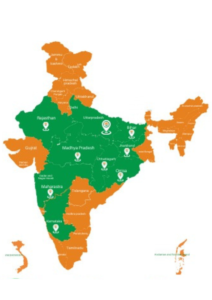
Over 50,000 happy customers across India.