Half-Cut Solar Panels: Why This Technology Is Becoming the New Standard
Walk into any solar showroom or browse installer catalogs today, and you’ll notice something curious — almost every panel on offer now advertises “half-cut cell technology” as a key selling point. Just a few years ago, this was a premium feature reserved for high-end installations. Today, it’s rapidly becoming the industry default. As one solar panel manufacturer representative explained, “we almost don’t manufacture full-cell panels anymore for the residential market — half-cut has essentially become the baseline expectation.” That shift alone tells you something important about where solar technology is heading, and why understanding half-cut solar panels matters for anyone considering a solar investment today.
In this blog, we’ll break down exactly what half-cut technology is, how it actually improves performance, the real data behind its advantages, and whether it’s worth the consideration when comparing panel options for your home or business.
What Are Half-Cut Solar Panels?
Half-cut solar panels are exactly what the name suggests — standard solar cells that have been physically cut in half using a laser cutting process, then assembled into a panel configuration that typically doubles the number of cells compared to a traditional full-cell panel of the same physical size.
A conventional panel might contain 60 or 72 full-sized cells, while a half-cut version of the same physical dimensions would contain 120 or 144 half-sized cells. This might sound like a purely cosmetic or manufacturing difference, but it fundamentally changes how electricity flows through the panel and how the panel performs under real-world conditions.
The Technical Science Behind Half-Cut Technology
To understand why cutting cells in half actually improves performance, it helps to understand a basic principle of electrical circuits: current and resistance losses are directly related to the size of the current-carrying path.
Reduced Resistive Losses:
When a cell is cut in half, each half-cell carries only half the current of a full-size cell while generating essentially the same voltage. Since resistive power loss in a circuit increases with the square of the current, halving the current flowing through each cell reduces internal resistive losses significantly — typically improving overall panel efficiency by 2-3% compared to equivalent full-cell panels.
Parallel Circuit Configuration:
Half-cut panels are typically wired so the top and bottom halves of the panel operate as two separate parallel circuits rather than one continuous series circuit. This design means that if shading, dirt, or debris affects one half of the panel, the other half can often continue generating electricity largely unaffected — a significant advantage over traditional full-cell panels where partial shading can disproportionately reduce the entire panel’s output.
Efficiency Improvements and Real Performance Data
The most compelling reason behind the widespread adoption of half-cut solar panels is measurable efficiency improvement, backed by consistent industry data.
Efficiency Gains:
Half-cut panels typically deliver 2-5% higher power output compared to equivalent full-cell panels of the same physical dimensions and cell technology, primarily due to reduced resistive losses and improved shade tolerance.
Real-World Shading Performance:
In field tests comparing identical installations with partial shading (such as from a tree branch or nearby structure), half-cut panels have demonstrated significantly better maintained output compared to full-cell panels experiencing the same shading conditions, since the unaffected half of the panel continues contributing to generation.
Temperature Coefficient Benefits:
Half-cut cells also tend to run at slightly lower operating temperatures compared to full-cell equivalents, since smaller cells dissipate heat more effectively. Since solar panel efficiency typically decreases as operating temperature rises, this modest temperature advantage provides an additional, if smaller, performance benefit, particularly in hot climates common across much of India.
Durability and Long-Term Reliability
Beyond pure efficiency numbers, half-cut solar panels offer meaningful durability advantages that matter significantly over a 25-year system lifespan.
Reduced Microcrack Risk:
Smaller half-cells experience less mechanical stress during manufacturing, transportation, and installation compared to full-size cells, reducing the likelihood of microcracks that can develop into larger performance-degrading defects over time.
Better Hotspot Resistance:
The parallel circuit design of half-cut panels reduces the risk of hotspot formation — a condition where shaded or damaged cells overheat due to reverse current flow from neighboring cells. This improved resistance to hotspots translates directly into better long-term panel health and reduced risk of premature failure.
Bypass Diode Efficiency:
Half-cut panel designs typically distribute bypass diodes more effectively across the parallel circuit halves, providing better protection against shading-related damage compared to traditional full-cell configurations with fewer, less optimally positioned diodes.
Cost Considerations and Value Analysis
While half-cut solar panels generally come at a modest price premium compared to full-cell equivalents, understanding the complete value picture matters for making informed purchasing decisions.
Price Premium:
Half-cut panels typically cost 3-8% more than comparable full-cell panels, reflecting the additional manufacturing step of laser cutting cells and the more complex assembly process involved.
Long-Term Value Justification:
Given the 2-5% efficiency improvement, better shade tolerance, and enhanced durability characteristics, most industry analysts and installers consider the modest price premium well justified over a 25-year system lifespan, particularly for installations with any partial shading concerns or space constraints requiring maximum generation per square foot.
Space Efficiency Advantage:
For homeowners or businesses with limited roof space, the higher efficiency of half-cut panels means more generation capacity can be installed within the same physical footprint — an increasingly important consideration as rooftop space becomes a limiting factor in dense urban installations.
Half-Cut Technology Within Broader Solar Panel Technology Trends
Understanding where half-cut solar panels fit within broader solar panel technology evolution helps contextualize why this particular innovation gained such rapid, widespread adoption compared to other emerging technologies.
Compatibility with Monocrystalline Cells:
Half-cut technology is most commonly paired with monocrystalline solar panels, which already offer higher base efficiency compared to polycrystalline alternatives. This combination of monocrystalline cell quality with half-cut design has become the dominant premium-to-mainstream panel configuration across most markets, including India’s rapidly growing residential and commercial solar sectors.
Complementary Technology Integration:
Half-cut cell technology is frequently combined with other efficiency-improving innovations such as PERC (Passivated Emitter and Rear Cell) technology and bifacial panel designs, creating cumulative efficiency gains that have driven overall panel performance improvements significantly over the past several years.
Manufacturing Scale Effects:
As more manufacturers adopted solar panel cell technology involving half-cut designs, economies of scale have helped narrow the price gap between half-cut and traditional full-cell panels, accelerating adoption even further and pushing the technology toward becoming the new industry baseline rather than a premium differentiator.
Visual and Installation Differences
Beyond technical performance, half-cut solar panels have some practical differences worth understanding for installation planning and aesthetic considerations.
Visual Appearance:
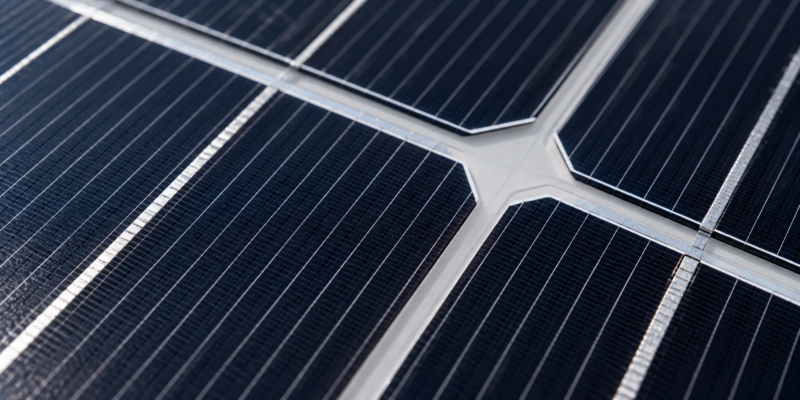
Half-cut panels typically feature a visible center line or gap running horizontally across the middle of the panel, along with a distinctive grid pattern from the doubled cell count — a subtle but noticeable visual difference compared to traditional full-cell panels for those paying close attention to panel aesthetics.
Weight and Handling:
Half-cut panels are generally similar in overall weight to full-cell equivalents, though the increased cell count and more complex internal wiring can occasionally result in marginally different handling characteristics during installation, something professional installers are well-equipped to manage without complications.
Junction Box Considerations:
Due to the parallel circuit design, half-cut panels sometimes feature junction boxes positioned differently or with additional connection points compared to full-cell panels, which installers should account for during system design and cable management planning.
Common Misconceptions About Half-Cut Solar Panels
Misconception 1: “Half-cut panels are a completely different, exotic technology.”
In reality, half-cut panels use the same underlying silicon cell technology as traditional panels — the innovation lies purely in the physical cutting and electrical configuration, not in fundamentally new materials or manufacturing processes.
Misconception 2: “The efficiency gain is negligible and not worth the extra cost.”
While 2-5% might sound modest, this translates into meaningful additional generation over a 25-year system lifespan, often fully justifying the modest price premium, particularly when combined with improved shade tolerance and durability benefits.
Misconception 3: “Half-cut panels are more fragile because the cells are cut.”
The opposite is generally true — smaller cells experience less mechanical stress and are actually less prone to microcracking compared to full-size cells, making half-cut panels generally more durable, not less.
Who Benefits Most from Half-Cut Solar Panels?
While half-cut solar panels offer general advantages across most installation types, certain scenarios see particularly strong benefits:
Partially Shaded Installations:
Homes or businesses with occasional shading from trees, adjacent buildings, or chimneys benefit significantly from the improved shade tolerance half-cut technology provides.
Space-Constrained Rooftops:
Urban installations with limited available roof space benefit from the higher efficiency per square foot, maximizing generation capacity within physical space limitations.
Hot Climate Installations:
Regions with consistently high temperatures, common across much of India, benefit from the slightly improved temperature coefficient performance half-cut cells offer compared to full-cell alternatives.
Long-Term Investment Planning:
Buyers prioritizing maximum long-term reliability and performance over the full 25-year system lifespan generally find the modest additional upfront cost well justified given the durability and efficiency advantages involved.
How to Identify Quality Half-Cut Solar Panels When Purchasing
When evaluating half-cut solar panels for purchase, consider these factors beyond the basic half-cut designation:
- Verify the underlying cell technology — monocrystalline PERC half-cut panels generally outperform polycrystalline half-cut alternatives
- Check manufacturer efficiency ratings — compare actual published efficiency percentages rather than relying solely on the “half-cut” marketing label
- Review warranty terms — reputable manufacturers typically offer 25-year performance warranties with half-cut panels, reflecting confidence in the technology’s durability
- Confirm bypass diode configuration — quality half-cut panels should have properly distributed bypass diodes supporting the parallel circuit shading benefits
- Compare temperature coefficient specifications — lower (less negative) temperature coefficients indicate better high-heat performance, particularly relevant for Indian climate conditions
Conclusion: A Technology Worth Understanding Before You Buy
Half-cut solar panels represent one of those rare technology improvements that delivers genuine, measurable benefits without requiring a fundamentally different or unproven approach. By simply reconfiguring how solar cells are cut and wired, this technology achieves meaningful efficiency gains, improved shading tolerance, and enhanced long-term durability — advantages that compound significantly over a 25-year system lifespan.
As this technology continues its rapid shift from premium option to industry standard, understanding the genuine science and benefits behind half-cut design helps buyers make informed decisions rather than simply treating it as another marketing buzzword. Whether you’re dealing with partial shading concerns, limited roof space, or simply want to maximize long-term value from your solar investment, half-cut technology represents a well-justified evolution in solar panel technology that’s likely to remain the dominant standard for years to come.
FAQs About Half-Cut Solar Panels
Q: Are half-cut solar panels more efficient than regular panels?
A: Yes, half-cut panels typically deliver 2-5% higher efficiency compared to equivalent full-cell panels due to reduced resistive losses and better temperature performance.
Q: Do half-cut panels cost more than traditional panels?
A: Yes, typically 3-8% more, though this premium is generally considered worthwhile given the efficiency and durability benefits over the panel’s lifespan.
Q: Are half-cut panels more fragile since the cells are cut in half?
A: No, smaller cells actually experience less mechanical stress, making half-cut panels generally more resistant to microcracking than full-cell panels.
Q: Do half-cut panels perform better in shaded conditions?
A: Yes, the parallel circuit design means shading on one half of the panel doesn’t necessarily affect the other half’s output, unlike traditional full-cell panels.
Q: Can half-cut technology be combined with monocrystalline panels?
A: Yes, half-cut technology is most commonly paired with monocrystalline cells, combining both innovations for maximum efficiency.
Trusted by 50000+ Customers
Anya Green Energy is a leading solar company and Solar Energy service provider established in 2013. We are recognized by startup India and customer best choice award 2022.
Our Achievements :
Recognized by Startup India.
Purvanchal’s first solar company to operate exclusively with solar products.
Certified by well-known institutions such as MSME, IndiaMart, and Just Dial and many more.
Winner of the Best Customer Choice Award 2022.
Over 50,000 happy customers across India.