Rooftop Solar Guide: The Quick-Start Version for First-Time Homeowners
If you’re just starting to explore solar and don’t have time for a long research session, this rooftop solar guide is built for you. No fluff, no jargon — just the essential things every homeowner needs to understand before going solar, covered fast.
This is the condensed version. For a deeper dive into every topic, we’ve also published a complete rooftop solar guide covering each step in detail — but if you want the core picture in a few minutes, start here.
What a Rooftop Solar System Actually Does
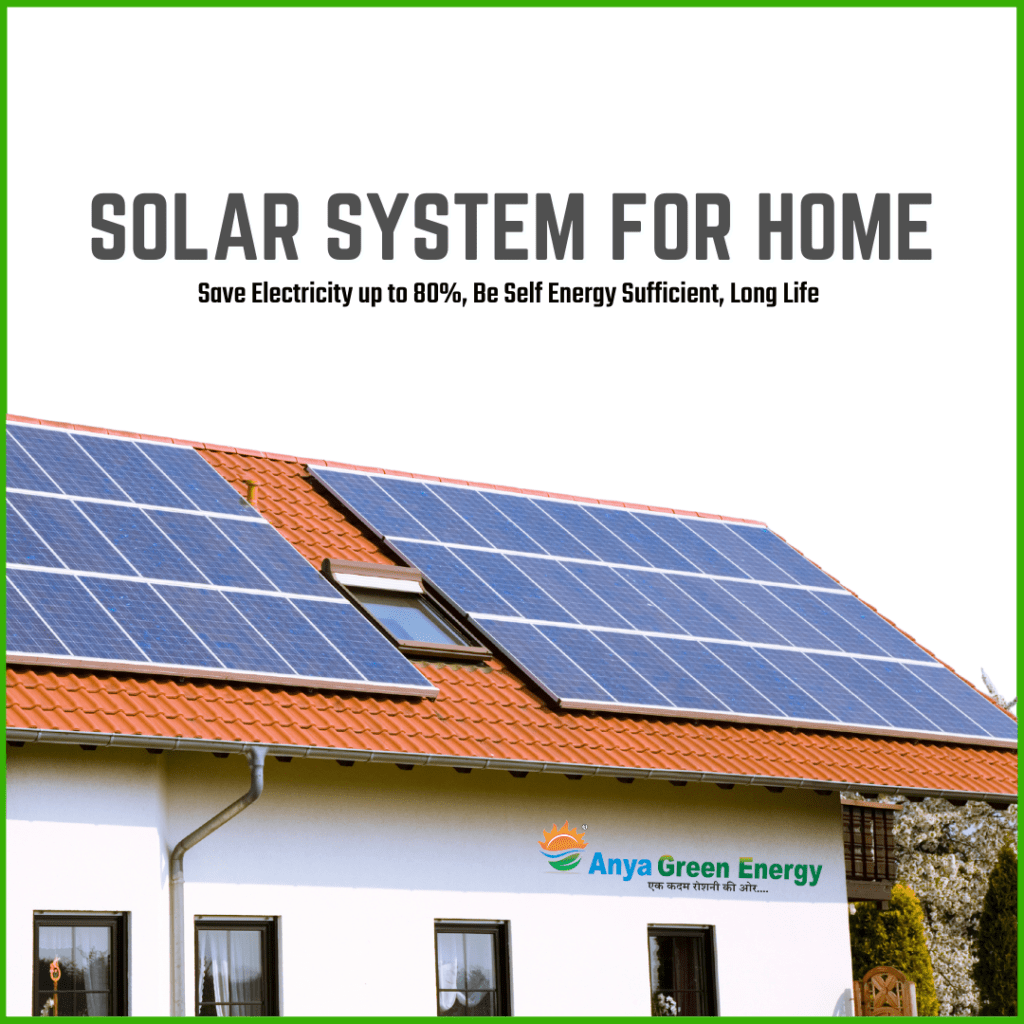
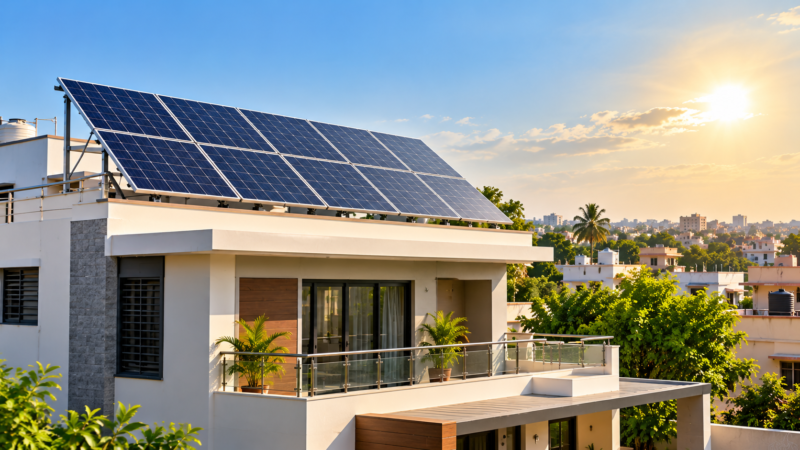
A rooftop solar system uses panels mounted on your roof to capture sunlight and convert it into electricity through an inverter. Most residential systems are grid-connected, meaning excess power you generate gets exported to the grid via net metering, and you draw from the grid when your system isn’t producing enough — like at night.
That’s it at its core. Everything else in this rooftop solar guide is about getting that basic setup right for your specific home.
Ready to switch to Solar?
solar solutions with Anya Green Energy and discover how you can reduce your electricity bills.
Contact UsThe Three Numbers That Matter Most
Before getting into installation details, three numbers determine almost everything about whether rooftop solar works well for you:
- Your average monthly electricity bill — determines ideal system size
- Your available shadow-free roof space — determines maximum system size
- Your post-subsidy cost quote — determines actual payback period
Get these three numbers before talking to any installer, and the rest of this rooftop solar guide will make a lot more sense in context.
Types of Rooftop Solar Panels, Simplified
You’ll mainly encounter three options for rooftop solar panels:
- Monocrystalline — highest efficiency, best for limited roof space, higher cost
- Polycrystalline — budget-friendly, slightly lower efficiency, good for larger roofs
- Half-cut cell — an efficiency upgrade now common across most installers, reduces shading losses
Don’t just compare price per panel — compare efficiency rating and warranty terms (25 years is standard for performance warranties).
Rooftop Solar Subsidy: The Part That Saves You the Most
Rooftop solar subsidy programs, combining central and state-level incentives, often reduce your effective system cost by 30-40% from the base quote. To access this:
- Choose an installer empanelled/registered under the subsidy scheme
- Apply through your state or central portal
- Complete installation and inspection
- Receive disbursement, typically to your bank account
Always ask installers for the post-subsidy price, not the base quote — this is the number that actually matters for your decision.
How Installation Actually Works
Here’s the rooftop solar installation process, condensed:
| Step | What Happens |
|---|---|
| 1. Site survey | Installer checks roof, orientation, and shading |
| 2. Design & quote | System size and post-subsidy pricing proposed |
| 3. Subsidy & net metering application | Paperwork filed with your local discom |
| 4. Physical installation | Panels, inverter, and wiring installed (1-3 days) |
| 5. Inspection & activation | Discom inspects and activates net metering |
| 6. System goes live | Savings begin |
The full process, start to finish, typically takes 4-8 weeks, depending on your local discom’s processing speed — plan around this, especially if you’re targeting a subsidy deadline.
What It Actually Costs
Rooftop solar installation cost depends on system size and panel quality, but after applying rooftop solar subsidy programs, most households see effective cost drop significantly from the base quote. Most systems pay for themselves in 4-7 years through bill savings, followed by 15-20+ years of near-free electricity, since panels carry 25-year performance warranties.
Direction and Shading: Don't Skip This
South-facing roofs generally capture the most consistent sunlight in India, maximizing output from your rooftop solar panels. East- or west-facing roofs still work well if south isn’t available. Whatever your roof’s orientation, make sure your site survey maps shading across all seasons — not just the day of the visit. This single factor quietly ruins more installations than any other.
Maintenance: The Short Version
A rooftop solar system needs minimal upkeep: periodic cleaning (every 2-4 weeks depending on dust), an annual professional inspection, and one likely inverter replacement somewhere in its 25-year life. That’s genuinely most of it.
5 Mistakes to Avoid
- Skipping a proper site survey
- Comparing quotes on price alone, ignoring efficiency and warranty
- Not confirming the post-subsidy price before signing
- Underestimating net metering approval timelines
- Choosing an installer without checking after-sales support
As one renewable energy consultant put it in a recent explainer: “The technology rarely fails homeowners — the planning does.” That’s the entire philosophy behind this rooftop solar guide.
Your Next Step
This quick rooftop solar guide gives you the essentials: how a rooftop solar system works, what rooftop solar panels to consider, how rooftop solar subsidy programs reduce cost, and what rooftop solar installation actually involves.
If you want the full deep-dive version with detailed explanations of each step, check out our complete rooftop solar guide. If you’re ready to see real numbers for your specific home, Anya Green Energy offers free assessments covering everything above — roof survey, subsidy eligibility, and system recommendation, at no cost.
FAQ Section
Q1: What’s the fastest way to understand rooftop solar before buying?
This quick rooftop solar guide approach works best: get your average bill, available roof space, and a post-subsidy quote from two installers — those three numbers answer most of your core questions.
Q2: How does a rooftop solar system work in simple terms?
A rooftop solar system converts sunlight into electricity through roof-mounted panels and an inverter, exporting excess power to the grid via net metering and drawing from the grid when needed.
Q3: How much can rooftop solar subsidy save me?
Rooftop solar subsidy programs typically reduce effective system cost by 30-40% when combining central and state incentives — always ask for the post-subsidy price specifically.
Q4: How long does rooftop solar installation take?
Physical rooftop solar installation takes 1-3 days, but the complete process including subsidy application and net metering activation typically takes 4-8 weeks.
Q5: Which rooftop solar panels are best for a small roof?
Monocrystalline or half-cut cell rooftop solar panels are best for limited roof space, since they generate more power per square foot than standard polycrystalline panels.
Trusted by 50000+ Customers
Anya Green Energy is a leading solar company and Solar Energy service provider established in 2013. We are recognized by startup India and customer best choice award 2022.
Our Achievements :
Recognized by Startup India.
Purvanchal’s first solar company to operate exclusively with solar products.
Certified by well-known institutions such as MSME, IndiaMart, and Just Dial and many more.
Winner of the Best Customer Choice Award 2022.
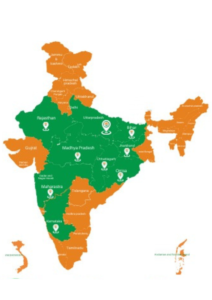
Over 50,000 happy customers across India.