12 Benefits of Solar Energy You Should Know About

Solar energy has moved from a niche environmental choice to one of the most practical, widely adopted energy solutions available today. But beyond the obvious — “it’s good for the environment” — most people don’t actually know the full scope of benefits of solar energy available to homeowners, businesses, and communities.
This guide breaks down 12 real, researched benefits of solar energy, covering everything from direct financial savings to environmental impact to benefits you’ve probably never considered. Whether you’re exploring solar for your own home or simply curious about why it’s becoming so widely adopted, this guide gives you the complete picture.
Why Understanding the Benefits of Solar Energy Matters Now
Global energy consumption continues rising, electricity tariffs keep climbing in most regions including India, and climate concerns are no longer abstract — they show up in extreme weather, shifting monsoon patterns, and rising summer temperatures. Against this backdrop, the benefits of solar energy aren’t just a talking point for environmentalists; they represent a practical response to real economic and environmental pressures that affect nearly everyone.
Let’s go through each of the 12 major benefits of solar energy in detail.
1. Significantly Lower Electricity Bills
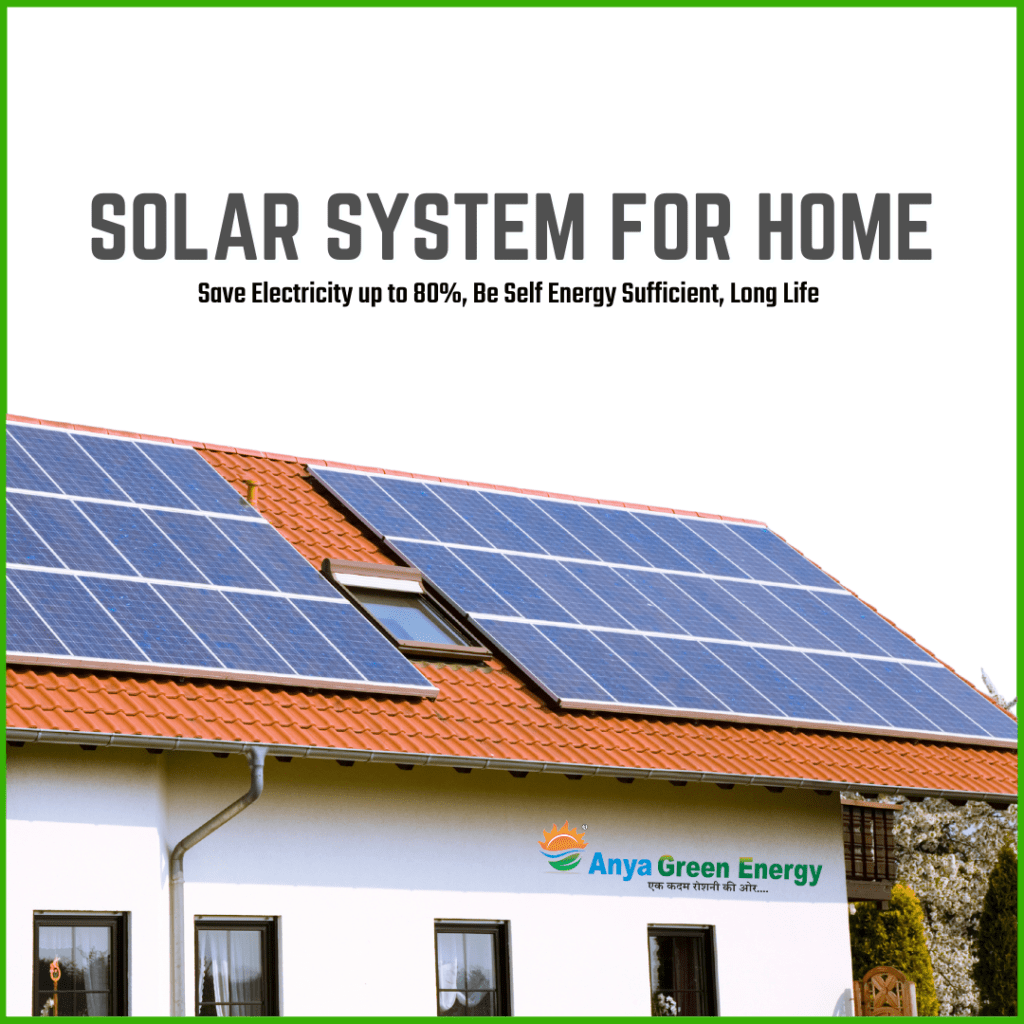
The most immediate and tangible of all benefits of solar energy is the direct impact on your monthly electricity bill. A properly sized rooftop system can reduce bills by 70-90%, depending on consumption and sunlight exposure. Over a 25-year system lifespan, this translates into solar energy savings reaching lakhs of rupees — savings that only grow larger as grid electricity tariffs continue their steady annual increase.
Ready to switch to Solar?
solar solutions with Anya Green Energy and discover how you can reduce your electricity bills.
Contact Us2. Protection Against Rising Electricity Tariffs
Beyond immediate solar energy savings, solar offers something grid electricity can’t: price stability. Once your system is paid off, your electricity costs become largely predictable and insulated from the 8-10% annual tariff increases most Indian states have seen over the past decade. This is among the solar energy advantages that compounds in value every single year grid prices rise.
3. Reduced Carbon Footprint
Among the most well-known environmental benefits of solar power is the direct reduction in greenhouse gas emissions. A typical 5kW residential system offsets roughly 6-7 tonnes of CO2 annually — comparable to planting over 100 trees every year. At scale, widespread adoption of solar is one of the most impactful ways individuals can meaningfully reduce collective carbon emissions.
4. Reduced Air and Water Pollution
Beyond carbon emissions, coal and gas power generation release particulate matter and consume significant water for cooling processes. Solar energy generation requires no water and produces no air pollution during operation, making it one of the cleanest environmental benefits of solar power compared to traditional electricity generation methods.
5. Energy Independence and Security
One of the often-overlooked benefits of solar energy is reduced dependency on grid supply, particularly valuable in areas prone to load-shedding or supply instability. With net metering (and optionally, battery backup), solar gives households and businesses meaningfully more control over their energy security.
6. Low Maintenance Requirements
Unlike generators or other backup power sources, solar panels have no moving parts. Beyond periodic cleaning and an annual inspection, maintenance needs are minimal — most systems come with 25-year performance warranties, making this one of the most practical solar energy advantages for homeowners who want reliable, low-hassle infrastructure.
7. Job Creation and Economic Growth
A less commonly discussed but genuinely important benefit: the solar industry has become a significant source of employment, from manufacturing to installation to maintenance services. As adoption grows, this economic ripple effect represents one of the broader societal benefits of solar energy beyond individual households.
8. Government Incentives and Subsidy Support
Central and state governments actively support solar adoption through subsidy schemes, accelerated depreciation benefits for businesses, and low-interest solar loan programs. These incentives directly amplify solar energy savings, often reducing effective system costs by 30-40% from the base quoted price — making the return on investment significantly stronger than the upfront sticker price suggests.
9. Increased Property Value
Homes and commercial properties with installed solar systems often command higher resale value, as buyers increasingly factor in long-term utility savings when evaluating a property. This is a financial benefit that extends beyond monthly bill savings into overall asset value — a benefit many homeowners don’t consider until they’re ready to sell.
10. Scalability for Any Need
Why use solar energy over other renewable options? One compelling answer: scalability. Solar can be deployed at virtually any scale — a single rooftop panel for a small home, a full residential system, or massive commercial and utility-scale solar farms — without requiring the large, location-specific infrastructure that wind or hydro power demand.
11. Reduced Strain on the Power Grid
At scale, distributed solar generation reduces peak demand pressure on the broader electricity grid, particularly during high-consumption periods like summer afternoons when air conditioning use spikes. This is a quieter but meaningful benefit — solar adoption doesn’t just help individual households, it helps stabilize grid performance for entire communities.
12. Long-Term Financial Predictability
Finally, among the most underrated benefits of solar energy is financial predictability. Unlike other long-term investments subject to market volatility, solar savings are tied to a known, physical asset generating a measurable, predictable output for 25+ years — offering a kind of financial certainty that’s increasingly rare
Environmental Benefits of Solar Power: A Closer Look

Since climate impact is such a central part of why people search for the benefits of solar energy, it’s worth examining the environmental benefits of solar power in more depth.
Beyond carbon reduction, solar energy generation requires no water for electricity production (compared to thermal power plants, which consume significant water for cooling), produces no air pollution during operation, and requires no mining or extraction for fuel once installed. Over a 25-year lifespan, a single residential solar installation can prevent well over 150 tonnes of CO2 emissions — a scale of impact few individual household decisions can match.
These environmental benefits of solar power compound further when adopted at community or commercial scale, which is why government policy continues prioritizing solar adoption as a core climate strategy.
Solar Energy Savings: Real Numbers Over Time
To make solar energy savings concrete, consider a household with a monthly electricity bill of ₹4,000 installing a well-sized rooftop system:
| Timeframe | Approximate Savings |
|---|---|
| Year 1-5 (payback period) | System pays for itself through bill reduction |
| Year 6-15 | Near-full bill savings, minimal added cost |
| Year 16-25 | Continued savings, possibly one inverter replacement |
| Total 25-year savings | Often 4-6x the original system investment |
This kind of solar energy savings trajectory is exactly why financial advisors increasingly mention solar alongside other long-term household investments, rather than treating it purely as a sustainability choice.
Why Use Solar Energy Over Other Options?
When comparing energy sources, the question of why use solar energy comes down to accessibility and flexibility that few alternatives can match. Wind and hydro power require large-scale, location-specific infrastructure investments typically only feasible at utility scale. Solar, by contrast, can be deployed at individual household scale, commercial scale, or utility scale — making it the most broadly accessible renewable energy technology available today.
As one clean energy researcher put it in a recent sustainability report: “Solar isn’t just the most popular renewable energy source — it’s the only one an individual household can realistically deploy on their own roof, which is exactly why its benefits reach so much further than other clean technologies.”
Who Benefits Most From Solar Energy?
While the benefits of solar energy apply broadly, certain groups see outsized value:
- Homeowners with high daytime electricity consumption (air conditioning, home offices) see the fastest payback
- Businesses with accelerated depreciation eligibility often see even stronger ROI than residential installations
- Households in areas with frequent load-shedding gain meaningful energy security benefits beyond pure cost savings
- Environmentally conscious consumers gain measurable, quantifiable impact they can point to directly
Understanding which of these benefits of solar energy matter most to your specific situation helps prioritize what to look for when evaluating a system.
Getting Started: Turning These Benefits Into Reality
Understanding the benefits of solar energy is the first step — the next is figuring out how they apply to your specific home or business. This involves assessing your roof’s suitability, your actual electricity consumption, and available subsidy programs in your state, all of which determine how much of these solar energy advantages you can realistically capture.
Final Thoughts: The Full Picture of Solar's Benefits
The benefits of solar energy extend far beyond the commonly cited “it’s good for the environment and saves money” summary. From long-term financial predictability and property value increases to job creation and grid stability, solar’s impact reaches individual households, businesses, and entire communities simultaneously.
Whether your primary motivation is solar energy savings, environmental impact, or energy independence, the case for solar has never been stronger — backed by falling technology costs, rising grid tariffs, and continued government support.
If you’re ready to see exactly how these benefits of solar energy translate into real numbers for your home, Anya Green Energy offers free assessments covering savings potential, environmental impact, and system recommendations tailored to your specific property.
FAQ Section
Q1: What are the top benefits of solar energy for homeowners?
The top benefits of solar energy for homeowners include significantly lower electricity bills, protection from rising tariffs, increased property value, and reduced environmental impact — typically delivering a payback period of 4-7 years.
Q2: What are the environmental benefits of solar power specifically?
The environmental benefits of solar power include reduced carbon emissions (6-7 tonnes annually for a typical home system), no water consumption during generation, and zero air pollution compared to traditional fossil fuel power plants.
Q3: How much can I expect in solar energy savings over time?
Solar energy savings typically cover the full system cost within 4-7 years, followed by 15-20+ years of significant ongoing savings, often totaling 4-6 times the original investment over a 25-year system lifespan.
Q4: Why use solar energy instead of other renewable sources?
Why use solar energy over alternatives like wind or hydro comes down to accessibility — solar can be installed at individual household scale without the large, location-specific infrastructure other renewable sources require.
Q5: What are the broader solar energy advantages beyond individual households?
Beyond individual solar energy advantages, broader benefits include job creation in manufacturing and installation, reduced strain on the electricity grid during peak demand, and community-level environmental impact.
Trusted by 50000+ Customers
Anya Green Energy is a leading solar company and Solar Energy service provider established in 2013. We are recognized by startup India and customer best choice award 2022.
Our Achievements :
Recognized by Startup India.
Purvanchal’s first solar company to operate exclusively with solar products.
Certified by well-known institutions such as MSME, IndiaMart, and Just Dial and many more.
Winner of the Best Customer Choice Award 2022.
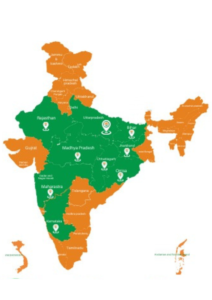
Over 50,000 happy customers across India.