Community Solar Panels: How to Go Solar Without a Rooftop
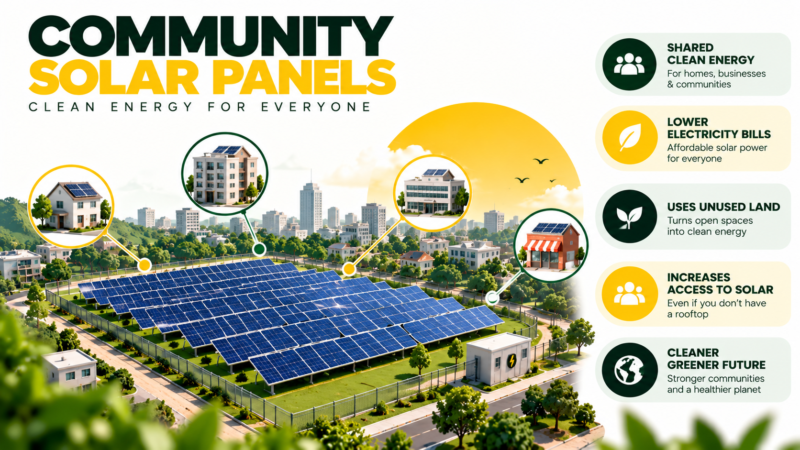
Not everyone who wants to go solar has a rooftop that can support it. Renters, apartment residents, and homeowners with shaded or structurally unsuitable roofs have traditionally been locked out of the solar conversation entirely — until community solar panels changed that equation. Instead of installing panels on your own property, community solar panels let you buy or subscribe to a share of a larger, off-site solar installation and receive credit for the clean energy it generates.
This guide explains how community solar programs actually work, what real community solar benefits look like in practice, how shared solar energy differs from rooftop ownership, and what to know before you subscribe to community solar in your area.
What Are Community Solar Panels?
Community solar panels refer to a shared solar installation — typically a mid-to-large-scale solar farm — where multiple individuals or businesses subscribe to a portion of its output rather than installing panels on their own property. Participants receive a credit on their electricity bill proportional to their share of the system’s generation, effectively allowing them to benefit from solar power without any hardware on their own roof.
This model has existed for years in markets like the United States, where community solar programs have expanded rapidly, and it’s gaining traction in India as developers and utilities explore shared ownership structures to widen solar access beyond detached homes with ideal rooftops.
How Community Solar Programs Work
Participating in community solar programs generally follows a simple structure. A developer builds a solar installation — often on unused land, a warehouse roof, or a dedicated solar farm — and divides its output into shares or subscriptions. Individuals and businesses sign up for a portion of that capacity, and in return, receive bill credits based on the electricity their share generates each month.
Unlike a rooftop installation, there’s no equipment to install, maintain, or insure at your own property. Most community solar programs operate on either an ownership model (you buy a share outright) or a subscription model (you pay a recurring fee, usually lower than your standard electricity rate), making the entry point considerably more accessible than a full rooftop system.
Ready to switch to Solar?
solar solutions with Anya Green Energy and discover how you can reduce your electricity bills.
Contact UsCommunity Solar Benefits You Should Know
The community solar benefits go well beyond simply accessing clean energy without a suitable roof. Because there’s no equipment installed at your home, there’s no upfront capital cost, no maintenance responsibility, and no risk tied to roof condition, orientation, or shading — all common obstacles that prevent many households from going solar in the first place.
Additional community solar benefits include flexibility: if you move to a new home within the same utility service area, many programs allow your subscription to transfer rather than being lost. For renters especially, this portability is one of the strongest arguments in favor of community solar panels over waiting for an eventual rooftop opportunity that may never come.
| Factor | Rooftop Solar | Community Solar Panels |
|---|---|---|
| Ownership Required | Yes (own roof needed) | No |
| Upfront Cost | High | Low to none |
| Maintenance Responsibility | Homeowner | Developer/operator |
| Suitable For Renters | No | Yes |
| Portability | No | Often yes |
| Savings Potential | Higher long-term | Moderate, steady |
Shared Solar Energy vs Traditional Rooftop Ownership
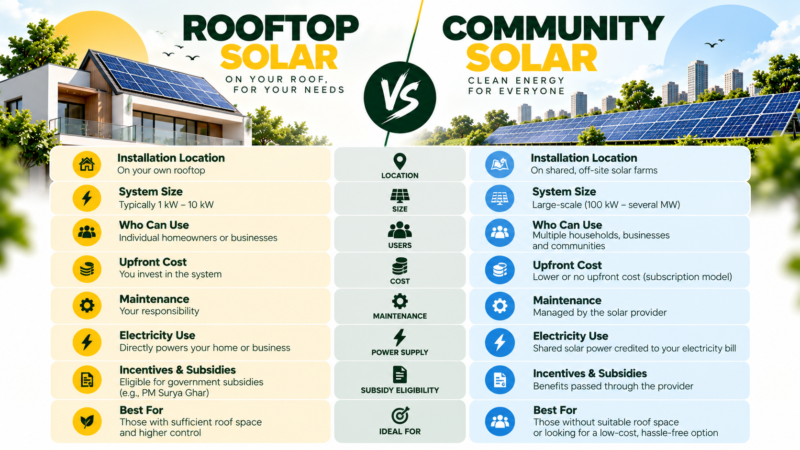
The core distinction in shared solar energy models is that you never actually own or host the physical panels — you simply hold a claim to a portion of the energy they produce. This fundamentally changes the economics compared to rooftop ownership. With shared solar energy, there’s no large upfront investment, no structural assessment of your property, and no 25-year maintenance responsibility tied to hardware sitting on your roof.
The trade-off is that shared solar energy typically delivers more modest savings than a fully owned rooftop system, since you’re paying a subscription or share cost rather than eliminating your electricity bill through direct ownership. For many participants, though, modest guaranteed savings with zero hassle is a reasonable trade against the higher risk and effort of owning a system outright.
Who Should Consider Community Solar Panels?
Community solar panels make the most sense for a specific set of situations: renters who don’t control their roof, apartment or condo residents without individual rooftop access, homeowners with heavily shaded or structurally unsuitable roofs, and businesses that lease rather than own their premises. In each of these cases, community solar programs offer a realistic path to participating in clean energy that rooftop solar simply can’t provide.
It’s also worth considering for homeowners who could technically install rooftop solar but prefer a lower-commitment entry point before investing in a full system — treating a community solar panels subscription as a way to test savings potential with minimal risk.
How to Subscribe to Community Solar
If you’re ready to subscribe to community solar, the process typically starts with checking whether a program operates within your specific utility service area, since availability varies significantly by region and local policy support. Once you confirm eligibility, you’ll generally review subscription size options, compare the offered rate against your current utility rate, and sign an agreement outlining the subscription term and any early-exit conditions.
Before you subscribe to community solar, it’s worth asking providers directly about cancellation terms, how credits are calculated, and what happens if the shared installation underperforms in a given month — details that can vary meaningfully between providers and directly affect your actual savings
Challenges and Limitations
While community solar panels open up solar access significantly, they aren’t without limitations. Availability remains inconsistent, since community solar programs depend heavily on local regulation and utility participation, and India’s framework for shared/virtual solar ownership is still maturing compared to more established markets. Savings are also generally more modest than rooftop ownership, since you’re sharing infrastructure costs and profit margins with a developer rather than owning the asset outright.
Being realistic about these limitations upfront helps set the right expectations — community solar panels are a meaningful access point to clean energy, not necessarily a replacement for rooftop ownership when that option is genuinely available to you.
Expert Perspective
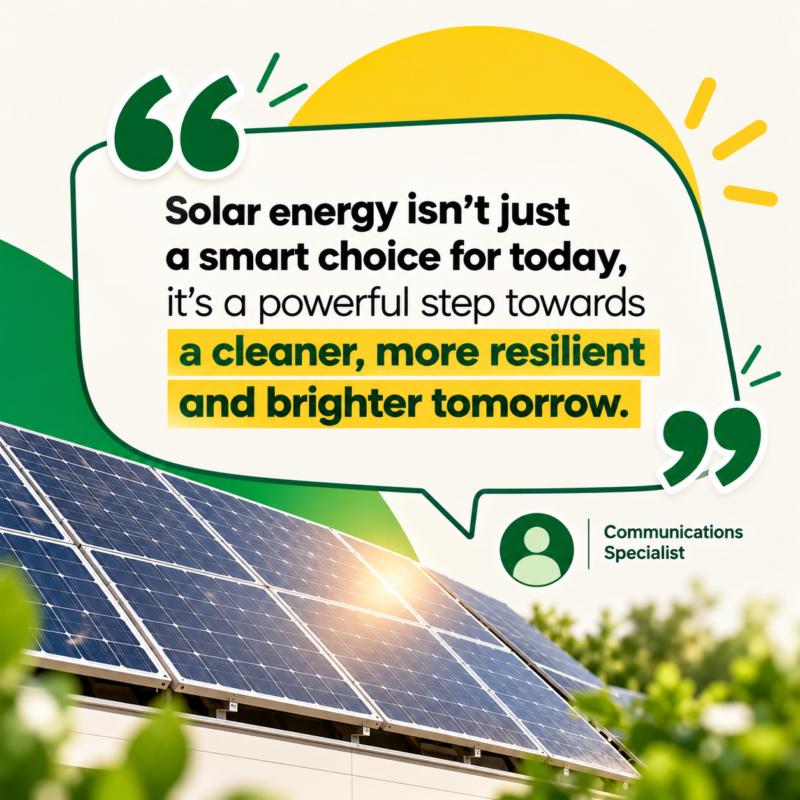
As one renewable energy access advocate put it, paraphrased here: community solar panels solve a problem rooftop solar simply can’t — they open the door to clean energy for the roughly one-third of households that rent, live in apartments, or have roofs unsuitable for installation, and that access gap is exactly where community solar programs are proving most valuable.
Conclusion
For anyone who has wanted to go solar but been blocked by a rented home, shaded roof, or apartment living situation, community solar panels offer a genuinely practical alternative. By understanding how community solar programs operate, weighing the real community solar benefits against the more modest savings of shared solar energy, and knowing what to check before you subscribe to community solar, you can make a confident, informed decision — even without a single panel on your own roof.
FAQs
Q1: Do I need to own my home to use community solar panels?
A: No — one of the biggest community solar benefits is that renters and apartment residents can participate without owning or controlling a rooftop.
Q2: How much can I save by subscribing to community solar?
A: Savings vary by program and region, but community solar programs typically offer modest, steady savings compared to the larger long-term savings possible with owned rooftop solar.
Q3: What happens if I move to a different area?
A: Many community solar programs allow subscription transfer within the same utility service area, though this varies by provider — always check portability terms before you subscribe to community solar.
Q4: Is shared solar energy as reliable as rooftop solar?
A: Yes, in terms of the underlying technology — the solar farm operates like any other installation. The main difference is that you receive bill credits rather than directly using the electricity generated.
Q5: Is community solar widely available in India yet?
A: Availability is still growing and depends on local utility participation and regulation, so checking program availability in your specific area is an essential first step.
Trusted by 50000+ Customers
Anya Green Energy is a leading solar company and Solar Energy service provider established in 2013. We are recognized by startup India and customer best choice award 2022.
Our Achievements :
Recognized by Startup India.
Purvanchal’s first solar company to operate exclusively with solar products.
Certified by well-known institutions such as MSME, IndiaMart, and Just Dial and many more.
Winner of the Best Customer Choice Award 2022.
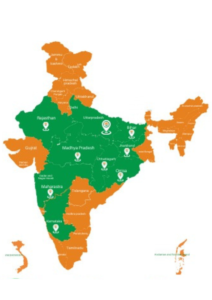
Over 50,000 happy customers across India.