Compact Solar Panels: The Smart Solution for Limited Roof Space
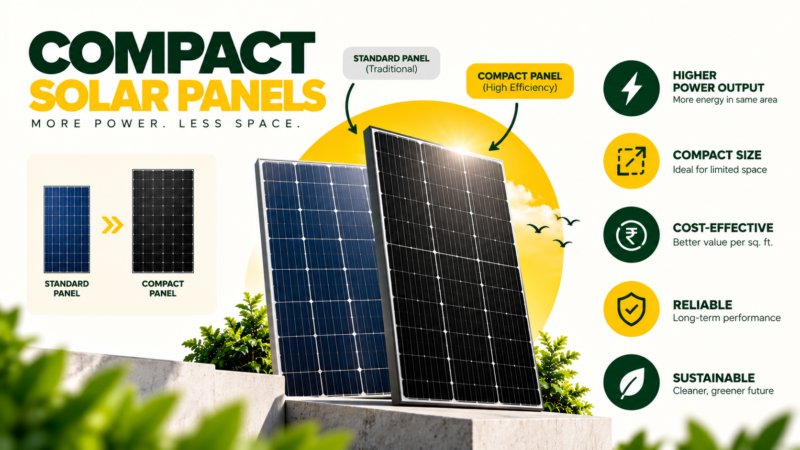
Not everyone has a sprawling rooftop to work with — and that’s exactly where compact solar panels come in. Designed to deliver meaningful energy output from a smaller footprint, these panels have become the go-to choice for urban homeowners, apartment dwellers, and anyone looking for space saving solar panels that don’t compromise on performance.
This guide breaks down everything you need to know about compact solar panels: how they differ from standard small solar panel systems, what compact solar panel price ranges look like today, and when portable compact solar panels might be the better fit for your specific needs.
What Are Compact Solar Panels?
Compact solar panels are solar modules engineered to produce higher output per square foot than standard panels, typically through high-efficiency cell technology such as monocrystalline or half-cut cell designs. Rather than simply shrinking a standard panel, manufacturers increase cell density and efficiency to ensure a smaller panel still generates competitive power output — a key distinction between genuine compact solar panels and panels that are just physically smaller but underpowered.
This makes compact solar panels especially useful for homes with limited roof area, oddly shaped rooftops, or shading constraints that rule out a larger standard array.
Ready to switch to Solar?
solar solutions with Anya Green Energy and discover how you can reduce your electricity bills.
Contact UsWhy Choose Compact Solar Panels for Small Roofs
The biggest advantage of compact solar panels is simple: more power from less space. For a household with only 150-200 square feet of usable roof area, standard panels might only allow for a small, underwhelming system size. Compact solar panels, by contrast, use higher-efficiency cells to extract more wattage from each panel, making a meaningful rooftop solar system possible even on constrained spaces.
This is also where genuinely space saving solar panels earn their value — not just by being smaller, but by closing the gap between limited roof area and a system size large enough to meaningfully offset a household’s electricity bill.
Small Solar Panel Systems vs Standard Installations
A small solar panel systems setup differs from a standard residential installation primarily in total capacity and panel count, not necessarily in per-panel technology. Many small solar panel systems still use the same high-efficiency compact panels discussed here, simply arranged in smaller arrays — typically 1kW to 3kW — suited to lower-consumption households, single-room setups, or supplementary power needs.
| Factor | Standard Solar System | Small Solar Panel Systems |
|---|---|---|
| Typical Capacity | 5kW – 10kW | 1kW – 3kW |
| Roof Area Needed | 400–600 sq ft | 100–250 sq ft |
| Best For | Full household offset | Partial offset, small homes |
| Panel Type | Standard or compact | Usually compact/high-efficiency |
Choosing between a full-sized installation and small solar panel systems ultimately depends on available space and how much of your total electricity consumption you’re aiming to offset.
Space Saving Solar Panels: Technology Behind the Efficiency
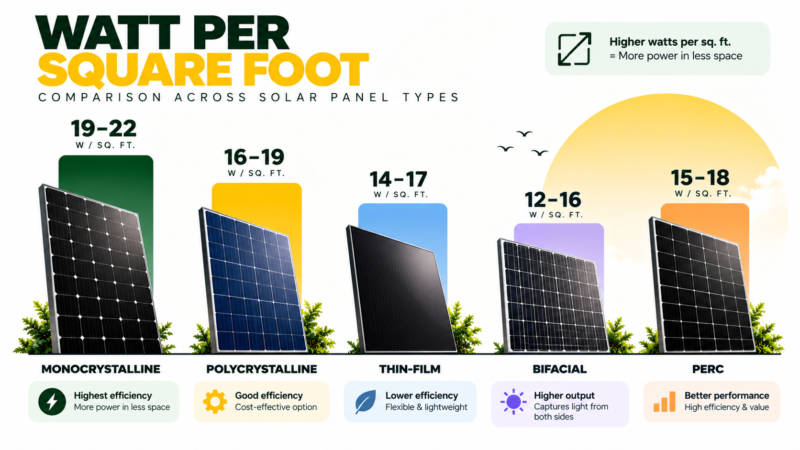
The technology enabling genuine space saving solar panels typically includes monocrystalline cells, half-cut cell architecture, and improved anti-reflective coatings — all contributing to higher watt-per-square-foot output. Some manufacturers also use shingled cell layouts, which eliminate the small gaps between standard cells, squeezing additional output from the same panel dimensions.
These innovations matter because space saving solar panels aren’t valuable simply for being small — their real worth lies in matching or exceeding the output-per-square-foot of larger, standard panels, which is what makes a constrained rooftop installation worthwhile in the first place.
Compact Solar Panel Price: What Determines the Cost
Compact solar panel price tends to run higher per watt than standard panels, since the higher-efficiency cell technology required to shrink the footprint without sacrificing output costs more to manufacture. However, because fewer panels and less mounting hardware are needed for a given system size, the overall compact solar panel price for a full small-roof installation can end up fairly comparable to a standard system of similar output.
Buyers comparing compact solar panel price across brands should look beyond the sticker price per panel and calculate total system cost per watt generated — a more accurate way to judge whether the premium is justified for their specific roof constraints.
Portable Compact Solar Panels: A Different Use Case Entirely
Not all compact solar panels are meant for rooftops. Portable compact solar panels serve an entirely different audience — campers, RV owners, remote workers, and households wanting backup power during outages. These foldable or briefcase-style panels typically range from 50W to 300W, designed for quick setup, lightweight transport, and compatibility with portable power stations or battery banks.
While portable compact solar panels won’t power a full household, they’ve become increasingly popular for charging devices, running small appliances, or supplementing emergency power setups — a growing niche within the broader compact solar panels category.
Choosing the Right Compact Solar Panel for Your Needs
Selecting the right compact solar panels depends heavily on your specific use case. For a small urban rooftop, prioritize high-efficiency fixed panels with strong warranties and proven durability. For emergency backup or outdoor use, portable compact solar panels paired with a reliable battery bank make more practical sense than a fixed installation.
Across both categories, it’s worth comparing real efficiency ratings and compact solar panel price per watt rather than assuming “compact” always means “better value” — sometimes a standard-sized panel remains the more cost-effective choice if roof space genuinely isn’t a constraint.
Advantages and Limitations
Compact solar panels offer clear advantages: higher output density, suitability for constrained or irregular roofs, and flexibility across both fixed and portable use cases. The trade-offs are equally real — a higher price per watt for the high-efficiency technology involved, and for portable variants, inherently limited total output compared to a full rooftop system.
For most buyers, the decision isn’t whether compact solar panels are “good” or “bad,” but whether the specific constraint — limited roof space or a need for portability — justifies the premium these panels typically command.
Expert Perspective
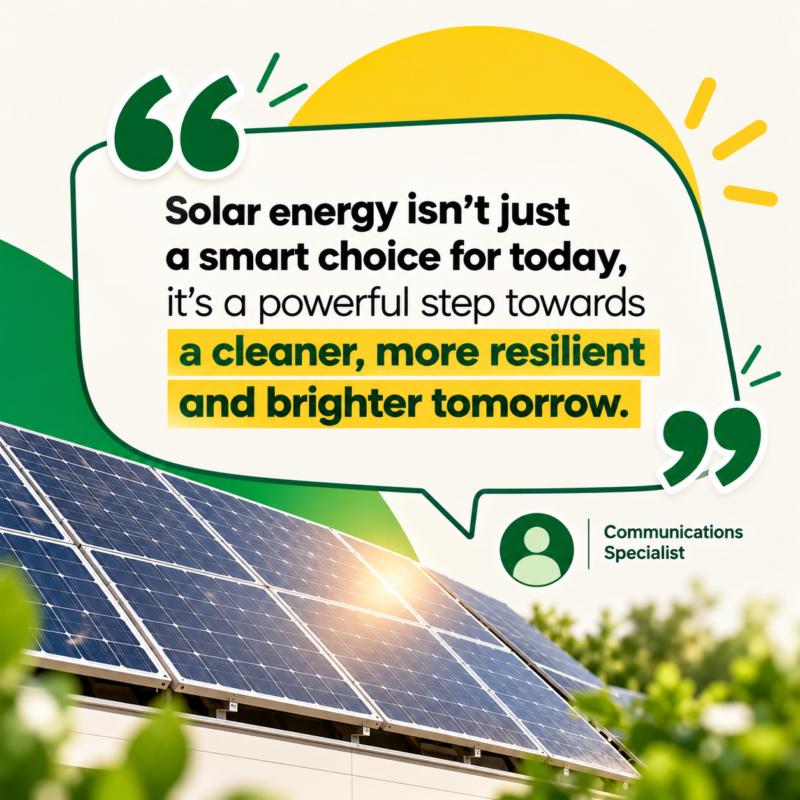
As one solar installation consultant put it, paraphrased here: the demand for compact solar panels has grown directly alongside urban housing density — more homeowners are working with smaller rooftops than a decade ago, and the technology has evolved specifically to meet that shift, rather than being a secondary or compromise product
Conclusion
Whether you’re dealing with a small urban rooftop or simply want flexible, portable power options, compact solar panels offer a practical path to solar adoption without requiring a large installation footprint. By understanding the real differences between fixed small solar panel systems, genuinely space saving solar panels, and portable compact solar panels, you can make a far more informed choice than simply picking the smallest panel available. Compare compact solar panel price carefully against total system output, and choose based on your specific space and usage needs rather than panel size alone.
FAQs
Q1: Are compact solar panels less efficient than standard panels?
A: No — genuine compact solar panels use higher-efficiency cell technology specifically to match or exceed standard panel output despite the smaller footprint.
Q2: What size roof is suitable for small solar panel systems?
A: Small solar panel systems typically work well on roofs with 100-250 square feet of usable space, generating 1kW to 3kW of capacity.
Q3: Are portable compact solar panels powerful enough to run a home?
A: Generally no — portable compact solar panels are best suited for charging devices, small appliances, or emergency backup rather than full household power.
Q4: Why is compact solar panel price higher per watt?
A: The high-efficiency cell technology required to reduce panel size without sacrificing output is more expensive to manufacture than standard panel technology.
Q5: Who benefits most from space saving solar panels?
A: Homeowners with limited, irregular, or partially shaded rooftops benefit most, since these panels maximize output from constrained areas.
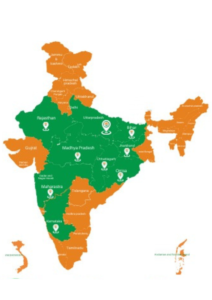
Trusted by 50000+ Customers
Anya Green Energy is a leading solar company and Solar Energy service provider established in 2013. We are recognized by startup India and customer best choice award 2022.
Our Achievements :
Recognized by Startup India.
Purvanchal’s first solar company to operate exclusively with solar products.
Certified by well-known institutions such as MSME, IndiaMart, and Just Dial and many more.
Winner of the Best Customer Choice Award 2022.
Over 50,000 happy customers across India.