Digital Twins for Renewables: How Virtual Models Optimize Solar and Wind Farms
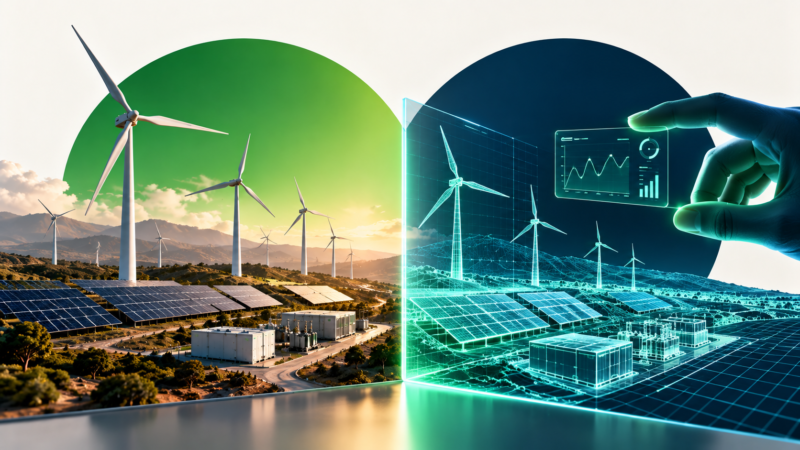
In the fast-moving world of renewable energy, operators need every advantage to maximize output, minimize downtime, and extend asset lifespans. This is where digital twins for renewables come in. A digital twin is a virtual, real-time replica of a physical asset or system that uses data from sensors, SCADA systems, and other inputs to simulate and optimize performance. For solar and wind farms, digital twins for renewables are transforming how assets are monitored, maintained, and managed.
This blog explains how digital twins for renewables work, the specific benefits of a solar digital twin, how a wind farm digital twin improves turbine performance, the role of renewable energy simulation in planning and operations, and how these tools integrate with virtual power plant modeling for grid-level optimization.
What Are Digital Twins for Renewables?
Digital twins for renewables are dynamic, data-driven virtual models that mirror the physical state and behavior of solar farms, wind turbines, or entire renewable energy projects. By continuously ingesting real-time operational data, weather conditions, and equipment sensor readings, these models can predict performance, identify anomalies, and simulate the impact of operational changes before they are implemented in the real world.
The concept of digital twins for renewables goes beyond simple monitoring. While traditional SCADA systems provide real-time data, digital twins for renewables add a layer of predictive analytics and simulation, allowing operators to test scenarios, optimize configurations, and predict failures before they occur.
How a Solar Digital Twin Transforms Solar Farm Management
A solar digital twin creates a virtual replica of a solar farm, incorporating real-time data from inverters, trackers, weather stations, and individual panel sensors. This allows operators to monitor performance at the most granular level, identifying underperforming panels, trackers, or inverters that may be dragging down overall output.
With a solar digital twin, operators can run renewable energy simulation scenarios to test the impact of different cleaning schedules, shading mitigation strategies, or equipment configurations. This capability helps maximize energy yield and extend the lifespan of solar assets by addressing issues proactively rather than reactively.
Wind Farm Digital Twin: Optimizing Turbine Performance
For wind energy, a wind farm digital twin offers similar benefits with some unique applications. By modeling each turbine’s performance in real time, operators can detect subtle changes in vibration, temperature, or power output that may indicate emerging mechanical issues. This early detection enables predictive maintenance, reducing unplanned downtime and extending turbine lifespans.
A wind farm digital twin also allows for advanced renewable energy simulation of wind patterns and turbine interactions. Operators can test different control strategies, such as adjusting blade pitch or yaw angles, to optimize energy capture based on real-time wind conditions. This level of optimization can lead to significant improvements in energy production and reduced mechanical stress on turbines.
Ready to switch to Solar?
Solar solutions with Anya Green Energy and discover how you can reduce your electricity bills.
Contact UsRenewable Energy Simulation: From Planning to Operations
Renewable energy simulation is a core capability of digital twins for renewables, enabling operators to move beyond reactive management to proactive optimization. During the planning phase, renewable energy simulation can model different layouts, equipment configurations, and weather scenarios to optimize the design of new solar or wind farms before construction begins.
In operations, renewable energy simulation allows operators to test the impact of operational changes, such as adjusting cleaning schedules for solar panels or maintenance intervals for wind turbines. This capability helps identify the most cost-effective strategies for maximizing energy production while minimizing operational costs.
Virtual Power Plant Modeling: Connecting Digital Twins to the Grid
The power of digital twins for renewables extends beyond individual assets to the grid level through virtual power plant modeling. By aggregating data from multiple solar digital twin and wind farm digital twin systems, operators can create a comprehensive view of distributed energy resources across a region.
Virtual power plant modeling uses this aggregated data to optimize the collective performance of renewable assets. For example, it can coordinate the dispatch of solar and wind generation to match grid demand, or adjust the output of individual assets to avoid grid congestion. This grid-level optimization helps maximize the value of renewable energy for both asset owners and grid operators.
The Benefits of Digital Twins for Renewables
The advantages of implementing digital twins for renewables are both immediate and long-term:
- Improved Performance: By continuously monitoring and optimizing operations, digital twins help maximize energy production from solar and wind assets.
- Reduced Downtime: Predictive maintenance capabilities allow operators to address issues before they lead to costly failures.
- Extended Asset Life: By identifying and addressing stress factors early, digital twins help extend the operational lifespan of renewable assets.
- Better Decision-Making: Renewable energy simulation enables data-driven decisions for both short-term operations and long-term planning.
- Grid Integration: Virtual power plant modeling allows renewable assets to be more effectively integrated into the broader power grid.
Implementation Considerations
While the benefits are clear, implementing digital twins for renewables requires careful planning. The first step is ensuring that assets are equipped with the necessary sensors and data collection infrastructure. For existing solar farms or wind turbines, this may require retrofitting equipment to enable real-time data collection.
Integration with existing SCADA systems and other operational technologies is also crucial. Digital twins for renewables should complement, not replace, existing monitoring and control systems. Additionally, operators need to develop the expertise to interpret and act on the insights provided by these advanced tools.
Case Study: Digital Twins in Action
Consider a large solar farm using a solar digital twin. The system detects that a subset of panels in one section are consistently underperforming. Through renewable energy simulation, the operator identifies that shading from a nearby structure is the likely cause. By adjusting the tracking algorithm for that section, the operator is able to recover lost production without physical intervention.
Similarly, a wind farm digital twin might detect unusual vibration patterns in a turbine’s gearbox. The system predicts that without intervention, the gearbox will fail within 30 days. The operator schedules maintenance during a low-wind period, avoiding a costly unplanned outage and maximizing energy production.
The Future of Digital Twins for Renewables
As the renewable energy sector continues to grow, the role of digital twins for renewables will only become more important. Advances in AI and machine learning are making these systems more accurate and predictive, while improvements in sensor technology and data connectivity are making them more accessible.
In the future, we can expect digital twins for renewables to incorporate even more data sources, such as satellite imagery and drone inspections, to provide an even more comprehensive view of asset performance. Additionally, as virtual power plant modeling becomes more sophisticated, digital twins will play an increasingly important role in grid-level optimization and the integration of renewable energy.
Expert Perspective
As one renewable energy asset manager put it in a recent industry discussion, paraphrased here: digital twins for renewables aren’t just about monitoring what’s happening now – they’re about predicting what will happen next and giving operators the tools to shape that future proactively rather than just reacting to it.
Conclusion
Digital twins for renewables represent a significant leap forward in how solar and wind assets are managed. From the granular insights of a solar digital twin to the predictive capabilities of a wind farm digital twin, these virtual models are helping operators maximize performance, reduce downtime, and extend asset lifespans. Through renewable energy simulation and virtual power plant modeling, digital twins are also enabling better grid integration and coordination of distributed energy resources. As the technology continues to evolve, digital twins for renewables will play an increasingly vital role in the global transition to clean energy.
FAQs
Q1: What is a digital twin for renewables?
A: It’s a virtual, real-time replica of a solar or wind asset that uses data from sensors and other inputs to simulate and optimize performance.
Q2: How does a solar digital twin work?
A: A solar digital twin creates a virtual model of a solar farm, using real-time data to monitor performance, identify issues, and simulate the impact of operational changes.
Q3: What are the main benefits of a wind farm digital twin?
A: It enables predictive maintenance, optimizes turbine performance, and extends asset lifespans by detecting and addressing issues early.
Q4: How does renewable energy simulation help operators?
A: It allows operators to test scenarios and optimize operations by simulating the impact of different strategies before implementing them in the real world.
Q5: What is virtual power plant modeling?
A: It’s the aggregation of data from multiple renewable assets to optimize their collective performance at the grid level.
Trusted by 50000+ Customers
Anya Green Energy is a leading solar company and Solar Energy service provider established in 2013. We are recognized by startup India and customer best choice award 2022.
Our Achievements :
Recognized by Startup India.
Purvanchal’s first solar company to operate exclusively with solar products.
Certified by well-known institutions such as MSME, IndiaMart, and Just Dial and many more.
Winner of the Best Customer Choice Award 2022.
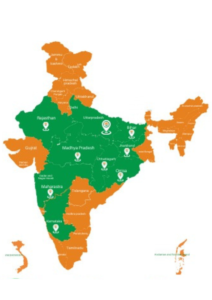
Over 50,000 happy customers across India.