The Future of Renewable Energy: Trends, Technologies, and What Comes Next
Talk to any energy analyst today, and the conversation inevitably turns to the future of renewable energy. Over the last decade, solar and wind power have gone from niche alternatives to mainstream infrastructure, and the pace of change is only accelerating. India alone added record renewable capacity in 2025, and global investment in clean technology continues to break previous highs.
But what does the future of renewable energy actually look like beyond the headlines? This blog breaks down the renewable energy trends worth watching, the technologies defining a genuine clean energy future, and the policy shifts accelerating the green energy transition across households, businesses, and national grids. Whether you’re a homeowner considering solar, a business planning long-term energy strategy, or simply curious about where the world is headed, understanding the future of renewable energy will help you make smarter decisions today.
Why the Future of Renewable Energy Matters Right Now
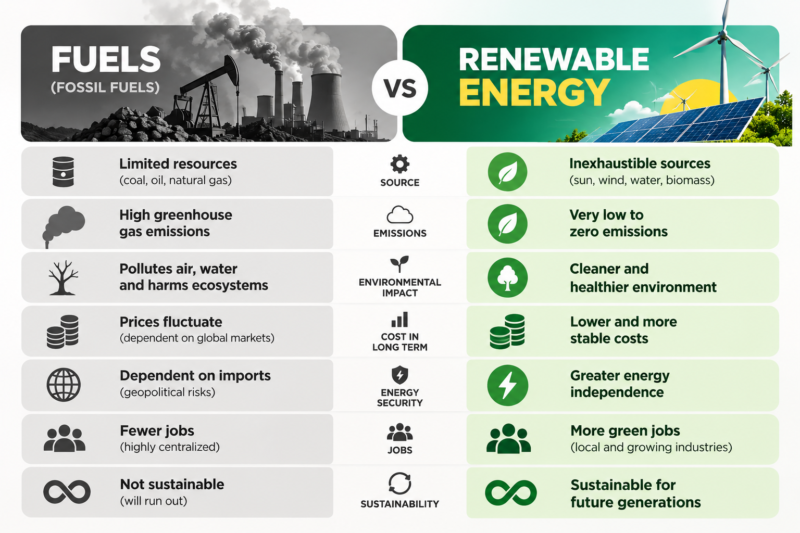
Three forces are converging to make this decade decisive. First, the cost of renewable technology has fallen dramatically — solar module prices are a fraction of what they were ten years ago. Second, climate commitments made by governments worldwide are now backed by binding timelines, not just pledges. Third, energy security concerns, sharpened by recent geopolitical instability in fossil fuel markets, are pushing countries toward sustainable energy sources they can generate domestically.
Together, these factors mean the future of renewable energy isn’t a distant possibility — it’s already being built. Grid operators, policymakers, and private investors are all placing bets on the same outcome: a power system dominated by clean, distributed, and increasingly intelligent energy generation
Renewable Energy Trends Shaping 2026 and Beyond
Solar and Wind Innovations
Among the most significant renewable energy trends is the rapid efficiency gains in solar photovoltaic cells. Bifacial panels, perovskite-silicon tandem cells, and improved manufacturing processes are pushing module efficiency past 24-25% in commercial products — a number that seemed unreachable just five years ago.
Offshore wind is following a similar trajectory, with floating turbine platforms opening up deep-water sites previously considered unviable. Combined, these innovations are central to any serious conversation about renewable energy trends and how quickly clean power can scale.
Energy Storage Breakthroughs
No discussion of the future of renewable energy is complete without storage. Lithium-ion battery costs have dropped over 80% in the past decade, and emerging technologies — sodium-ion batteries, iron-air storage, and long-duration flow batteries — are solving the intermittency problem that once made critics doubt renewables could ever replace baseload power.
Storage isn’t just a technical footnote; it’s the missing piece that turns intermittent solar and wind into a reliable, round-the-clock power source, which is precisely what’s required for genuine sustainable energy sources to meet global demand
Building a Genuine Clean Energy Future: Key Technologies
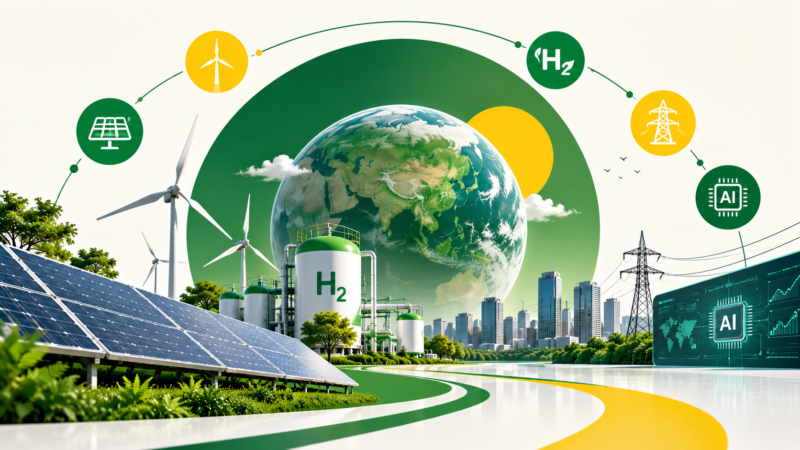
Beyond solar and wind, several technologies are quietly reshaping what a clean energy future will look like in practice.
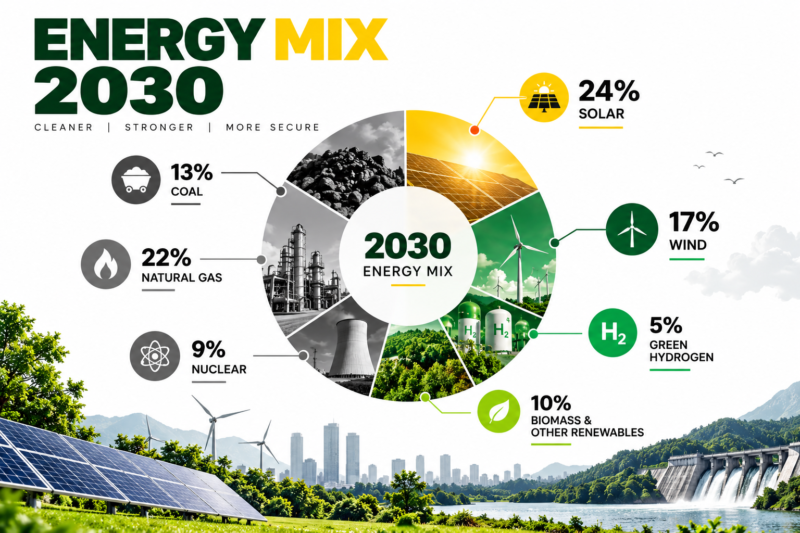
Green hydrogen, produced using renewable electricity to split water molecules, is emerging as a solution for hard-to-decarbonize sectors like steel, shipping, and heavy transport — areas where batteries alone fall short. Small modular nuclear reactors are also re-entering the conversation as a complementary, low-carbon baseload option in several countries.
Meanwhile, smart grids powered by AI and machine learning are learning to predict demand spikes, reroute power in real time, and integrate thousands of small distributed energy sources — rooftop solar, home batteries, and electric vehicles — into a single, responsive network. This is the quiet infrastructure work that will determine how smoothly the future of renewable energy actually unfolds.
Green Hydrogen and Next-Gen Fuels
Hydrogen produced from renewable sources is projected to play a major role in industrial decarbonization by the 2030s. Countries like India, with abundant solar resources, are positioning themselves as future green hydrogen export hubs — a strategy that directly supports a broader clean energy future and reduces dependence on imported fossil fuels.
Smart Grids and AI Integration
AI-driven grid management is one of the most under-discussed renewable energy trends, yet it may prove just as important as the generation technology itself. Smarter grids reduce waste, prevent blackouts, and make it economically viable to run a power system built primarily on sustainable energy sources rather than fossil fuel backup plants.
Ready to switch to Solar?
solar solutions with Anya Green Energy and discover how you can reduce your electricity bills.
Contact UsSustainable Energy Sources Driving the Global Transition
Solar and wind remain the fastest-growing sustainable energy sources worldwide, but they are no longer the only story. Geothermal energy is expanding beyond its traditional volcanic regions thanks to enhanced geothermal systems that drill deeper than ever before. Tidal and wave energy projects, while still early-stage, are attracting serious investment in coastal nations.
Biomass and waste-to-energy plants are also playing a growing role in regions where agricultural or municipal waste can be converted into usable power. Diversifying across multiple sustainable energy sources — rather than relying on any single technology — is increasingly seen as the safest path toward long-term energy security.
The Green Energy Transition: Policy, Investment, and Global Shifts
Technology alone won’t determine the future of renewable energy — policy and capital will. Over 190 countries have made net-zero commitments, and many have backed those pledges with binding legislation, carbon pricing, and renewable purchase obligations.
India’s example is instructive: ambitious renewable capacity targets, production-linked incentive schemes for solar manufacturing, and state-level rooftop subsidy programs are all accelerating the country’s green energy transition faster than many analysts predicted five years ago.
Private capital is following the same direction. Global investment in clean energy overtook fossil fuel investment for the first time in recent years, a milestone that signals where the smart money believes the green energy transition is heading next — and it isn’t backward.
Challenges on the Road to a Renewable Future
None of this means the path is without obstacles. Grid infrastructure in many countries, including large parts of India, wasn’t designed for distributed, variable generation at this scale, and upgrades are expensive and slow. Critical mineral supply chains for batteries and turbines remain concentrated in a handful of countries, creating geopolitical risk.
There’s also the human side: coal-dependent regions need credible transition plans for workers and local economies, not just new power plants elsewhere. Addressing these challenges honestly — rather than glossing over them — is part of what will determine whether the future of renewable energy arrives on schedule or gets delayed by avoidable friction.
What India's Future of Renewable Energy Looks Like
India offers one of the most closely watched case studies globally. With a target of 500 GW of non-fossil fuel capacity, aggressive solar manufacturing incentives, and a rapidly maturing rooftop solar market, the country’s future of renewable energy is arguably more ambitious than that of most developed nations.
Green hydrogen exports, offshore wind projects along the southern coastline, and large-scale battery storage tenders are all signs that India isn’t just participating in the global green energy transition — in several areas, it’s setting the pace. For households and businesses, this translates into falling solar costs, improving subsidy frameworks, and a strong long-term case for going solar now rather than waiting
Expert Perspective
As one senior energy policy analyst put it in a recent industry panel, paraphrased here: the next decade won’t be defined by whether renewable energy can compete with fossil fuels on cost — that question is already settled — it will be defined by how fast grids, storage, and policy can catch up to the pace of renewable energy trends already underway.
Conclusion: Preparing for the Future of Renewable Energy Today
The future of renewable energy is no longer a question of “if” — it’s a question of how fast, and who benefits most from being early. Falling technology costs, maturing storage solutions, and increasingly supportive policy all point in the same direction. For individuals and businesses alike, the smartest move is to start participating now — whether that means installing rooftop solar, switching to an electric vehicle, or simply making more informed energy choices. Those who adapt early to the future of renewable energy will be the ones best positioned for the decades ahead.
FAQs
Q1: What is the future of renewable energy expected to look like by 2030?
A: Expect cheaper solar and wind, widespread battery storage, growing green hydrogen use in heavy industry, and AI-managed smart grids handling a much larger share of distributed power.
Q2: Will renewable energy fully replace fossil fuels?
A: Most analysts see a gradual displacement rather than an overnight switch — power generation is moving fastest toward a genuine clean energy future, while sectors like aviation and heavy shipping will take longer.
Q3: What role does India play in the global renewable energy shift?
A: India is among the fastest-scaling markets globally, driven by solar manufacturing incentives, rooftop subsidy schemes, and ambitious non-fossil capacity targets.
Q4: Why is energy storage considered so critical to this shift?
A: Storage solves intermittency, turning variable solar and wind generation into reliable, dispatchable power — making it a core enabler of the ongoing green energy transition.
Q5: How can individuals contribute to the renewable energy shift today?
A: Installing rooftop solar, choosing EVs, supporting clean-energy-friendly policies, and reducing overall energy waste are the most direct ways households can participate.
Trusted by 50000+ Customers
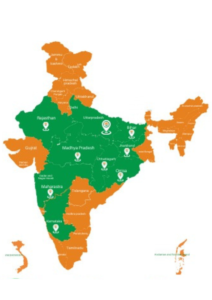
Anya Green Energy is a leading solar company and Solar Energy service provider established in 2013. We are recognized by startup India and customer best choice award 2022.
Our Achievements :
Recognized by Startup India.
Purvanchal’s first solar company to operate exclusively with solar products.
Certified by well-known institutions such as MSME, IndiaMart, and Just Dial and many more.
Winner of the Best Customer Choice Award 2022.
Over 50,000 happy customers across India.