Solar Energy Cost and Solar Module Technology: How They're Connected in 2025

Ask ten homeowners why one solar quote is cheaper than another, and most will say “different installer” or “different brand.” But the real answer almost always comes down to one thing: solar energy cost and solar module technology are directly linked — the panels themselves, not just the installer’s margin, are what drive price differences you see across quotes.
This guide breaks down exactly how solar energy cost and solar module technology relate to each other — covering what drives solar panel price, how solar cell technology has evolved, why solar module efficiency matters more than most buyers realize, and what it all means for the cost of solar energy you’ll actually pay.
Why Cost and Technology Can't Be Understood Separately
Most solar content treats pricing and technology as two different conversations. But understanding solar energy cost and solar module technology together is the only way to actually compare quotes intelligently. A cheaper quote using older, lower-efficiency cells might cost more per unit of electricity generated over 25 years than a slightly pricier quote using modern, high-efficiency technology — because you’d need more panels, more roof space, and potentially a larger inverter to hit the same output.
This is exactly why solar energy cost and solar module technology need to be evaluated as one decision, not two separate line items on a quote.
Breaking Down Solar Panel Price: What You're Actually Paying For
Before comparing technology options, it helps to understand what makes up solar panel price in the first place. A typical residential system cost includes:
- Panels (40-50% of total cost) — directly tied to solar cell technology used
- Inverter (10-15%) — converts DC to usable AC power
- Mounting structure and wiring (10-15%)
- Installation labor (10-15%)
- Net metering and approval charges (varies by state)
Since panels represent the largest single cost component, understanding solar cell technology differences is the single most impactful thing you can do to evaluate whether a given solar panel price is actually a good deal.
The Evolution of Solar Cell Technology
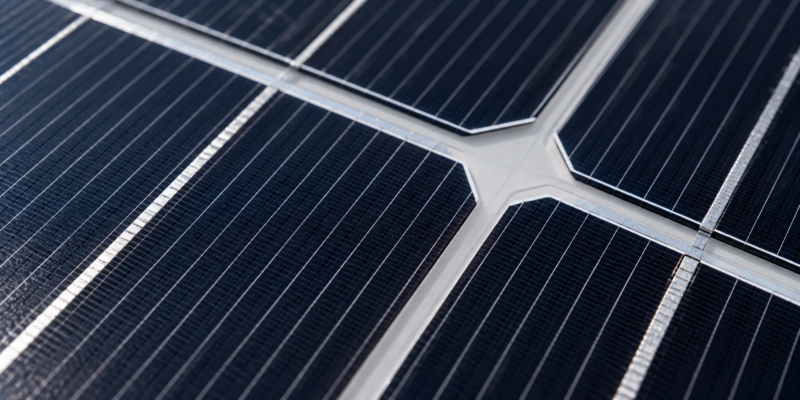
Solar cell technology has advanced significantly over the past decade, and each generation has directly reshaped solar energy cost and solar module technology trends in the market.
Standard Polycrystalline Cells
For years, polycrystalline cells were the budget-friendly default — lower manufacturing cost, slightly lower efficiency (typically 15-17%), and a blue, speckled appearance. They remain available today primarily for buyers prioritizing lowest upfront solar panel price over maximum efficiency.
Monocrystalline (PERC) Cells
Monocrystalline cells, especially with PERC (Passivated Emitter and Rear Cell) technology, improved efficiency to 19-21% by adding a reflective layer that captures more light. This solar cell technology became the mainstream standard for much of the past five years, balancing efficiency gains with manageable solar panel price increases.
Half-Cut Cell Technology
Half-cut cells split standard cells in half, reducing internal resistance and improving solar module efficiency by 2-3% while also reducing shading-related losses. This technology has moved from “premium upgrade” to near-standard offering across most installers, without dramatically increasing solar panel price.
Bifacial Panels
Bifacial modules capture sunlight on both the front and rear surface, generating additional output from reflected light (especially on light-colored or reflective roofing). This solar cell technology boosts total energy yield by 5-15% depending on installation conditions, at a moderate premium to solar panel price.
TOPCon and HJT (Emerging Technology)
The newest solar cell technology entering the Indian market — TOPCon (Tunnel Oxide Passivated Contact) and HJT (Heterojunction) cells — push efficiency above 22-23%, with better performance in high-temperature conditions (a meaningful advantage in India’s climate). These remain at the higher end of solar panel price for now, but costs are dropping as manufacturing scales.
Ready to switch to Solar?
solar solutions with Anya Green Energy and discover how you can reduce your electricity bills.
Contact UsSolar Module Efficiency: Why It Matters More Than Price Per Watt
Many buyers compare quotes purely on price-per-watt, but this metric alone doesn’t account for solar module efficiency — a critical factor in actual long-term value.
Higher solar module efficiency means more electricity generated per square foot of roof space. For homes with limited roof area, this directly determines whether your desired system size is even achievable. A roof that can only fit a 3kW system using older, lower-efficiency panels might fit a 4kW system using high-efficiency half-cut or bifacial technology — directly affecting your long-term cost of solar energy per unit generated, not just your upfront solar panel price.
This is the core insight tying solar energy cost and solar module technology together: a lower price-per-watt doesn’t always mean a lower cost of solar energy over the system’s lifetime, especially when roof space is a constrain
How Solar Cell Technology Affects Long-Term Cost of Solar Energy
The cost of solar energy isn’t just about what you pay on installation day — it’s about the total cost per unit of electricity generated across 25 years. This is where solar module efficiency and degradation rates matter enormously.
Higher-quality solar cell technology typically comes with:
- Lower annual degradation rates (0.3-0.5% for premium cells vs. 0.6-0.8% for standard cells) — meaning panels retain more output capacity over decades
- Better high-temperature performance — critical in Indian climates where panel temperatures regularly exceed standard test conditions
- Longer effective warranty value — since higher-quality cells are less likely to underperform warranty guarantees
When you calculate cost of solar energy over a full 25-year lifespan factoring in degradation, higher-efficiency solar cell technology often delivers a lower effective cost per unit, even when the initial solar panel price is higher.
Comparing Solar Cell Technology Options
| Technology | Typical Efficiency | Relative Solar Panel Price | Best For |
|---|---|---|---|
| Polycrystalline | 15-17% | Lowest | Large roofs, tightest budgets |
| Monocrystalline (PERC) | 19-21% | Moderate | Most residential installations |
| Half-cut cell | 21-22% | Moderate-High | Limited roof space, shading concerns |
| Bifacial | 21-23%+ (with rear gain) | High | Reflective surfaces, ground-mount, commercial |
| TOPCon/HJT | 22-23%+ | Highest | High-temperature regions, future-focused buyers |
This table makes the solar energy cost and solar module technology relationship visible at a glance — efficiency and price generally move together, but the right choice depends on your roof space and budget priorities, not just picking the cheapest or most advanced option by default.
Other Factors Driving Solar Panel Price Beyond Cell Technology
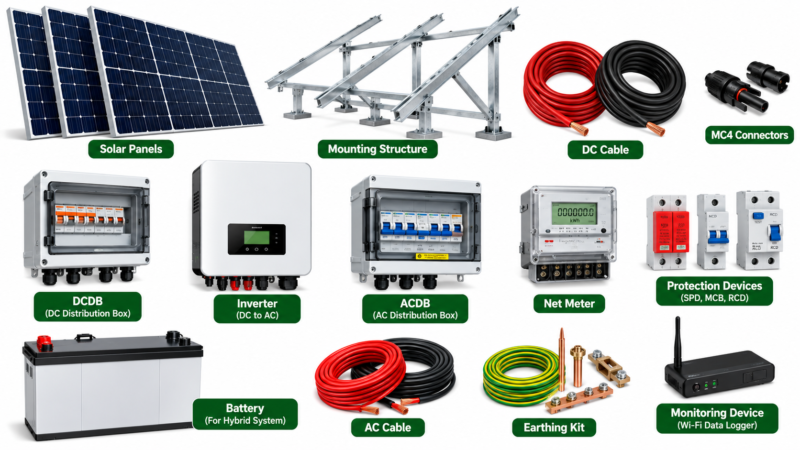
While solar cell technology is the biggest driver of solar panel price, several other factors matter too:
- Inverter quality — string inverters are cheaper, while microinverters or power optimizers cost more but improve performance in partial shading
- Mounting structure material — galvanized steel vs. aluminum affects both cost and durability
- Brand and manufacturing origin — established manufacturers with strong track records often command a premium reflecting proven reliability
- Import duties and raw material costs — polysilicon and silver price fluctuations globally affect cost of solar energy across the entire industry, independent of any single installer’s pricing
Understanding these factors helps explain why two quotes using seemingly similar solar cell technology can still show different solar panel price figures.
How to Choose the Right Module for Your Budget
Here’s a practical framework for navigating solar energy cost and solar module technology decisions:
- Calculate your available roof space — this determines whether efficiency matters more or less for your situation
- If roof space is limited, prioritize solar module efficiency (half-cut, bifacial, or TOPCon) even at a higher solar panel price, since you need maximum output per square foot
- If roof space is abundant, standard monocrystalline or even polycrystalline panels may deliver better overall value, since you can simply add more panels to reach your target output
- Always request the efficiency rating and degradation rate alongside price — not just the price-per-watt figure
- Calculate total cost of solar energy over 25 years, not just upfront cost, factoring in expected degradation for the specific solar cell technology being quoted
As one solar manufacturing industry report summarized the shift: “Buyers used to ask ‘how much do panels cost?’ Now the smarter question is ‘how much will this technology actually cost me per unit of electricity over its lifetime?'” That distinction is exactly what separates an informed decision from a purely price-driven one.
The Future of Solar Module Technology and Pricing
Looking ahead, solar module efficiency continues improving while solar panel price continues its long-term downward trend, despite periodic fluctuations tied to raw material costs. TOPCon and HJT solar cell technology, currently positioned at the premium end, are expected to become mainstream within the next few years as manufacturing scales — following the same price trajectory that half-cut cells followed from premium to standard.
This means the cost of solar energy is likely to keep declining in real terms even as solar module efficiency keeps improving — a genuinely rare combination where both value and affordability move in the buyer’s favor simultaneously.
Final Thoughts: Making Sense of Solar Energy Cost and Solar Module Technology
The relationship between solar energy cost and solar module technology isn’t complicated once you see the connection: the cells inside your panels determine efficiency, efficiency determines how many panels you need, and that directly shapes your real cost of solar energy over the system’s lifetime — not just the number on your initial quote.
Whether you prioritize the lowest solar panel price or the highest solar module efficiency depends entirely on your roof space, budget, and long-term goals. Understanding this relationship, rather than comparing quotes on price alone, is what separates a genuinely smart solar decision from a short-term budget choice.
Anya Green Energy offers free home assessments that walk through exactly this comparison — matching the right solar cell technology to your specific roof and budget, with transparent solar panel price breakdowns and projected long-term cost of solar energy for each option.
FAQ Section
Q1: How are solar energy cost and solar module technology related?
Solar energy cost and solar module technology are directly connected because the type of solar cell used determines efficiency, which in turn determines how many panels you need and your overall system cost per unit of electricity generated.
Q2: Why does solar panel price vary so much between quotes?
Solar panel price varies mainly due to differences in solar cell technology (polycrystalline vs monocrystalline vs half-cut vs bifacial), along with inverter quality, mounting materials, and brand reputation.
Q3: What solar cell technology offers the best value for money?
For most residential installations, monocrystalline PERC or half-cut cell solar cell technology offers the best balance of efficiency and price, while bifacial and TOPCon suit buyers prioritizing maximum output in limited space.
Q4: Does higher solar module efficiency always mean better value?
Not always — solar module efficiency matters most when roof space is limited. If you have abundant roof area, standard efficiency panels can still deliver strong value since you can simply install more panels.
Q5: Will the cost of solar energy keep decreasing in the future?
Yes, the cost of solar energy is expected to continue its long-term downward trend as newer solar cell technologies like TOPCon and HJT scale in manufacturing and become mainstream, following the same pattern as half-cut cells before them.

Trusted by 50000+ Customers
Anya Green Energy is a leading solar company and Solar Energy service provider established in 2013. We are recognized by startup India and customer best choice award 2022.
Our Achievements :
Recognized by Startup India.
Purvanchal’s first solar company to operate exclusively with solar products.
Certified by well-known institutions such as MSME, IndiaMart, and Just Dial and many more.
Winner of the Best Customer Choice Award 2022.
Over 50,000 happy customers across India.