Solar Myths Debunked: 10 Common Misconceptions That Are Costing You Money
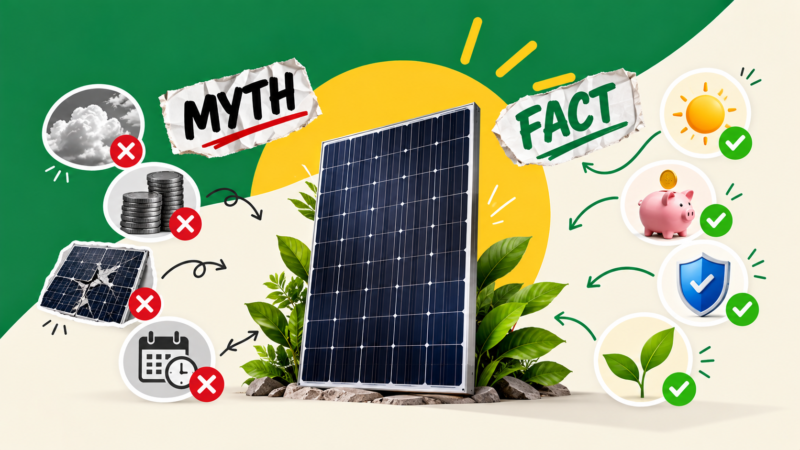
If you’ve ever hesitated on solar because of something you heard from a neighbor, read in an old forum post, or just assumed was true, you’re not alone. This guide exists specifically to get these solar myths debunked once and for all, using current data instead of outdated assumptions or secondhand opinions.
Misinformation around solar has real consequences — it delays adoption, leads to poor decision-making, and sometimes convinces otherwise ideal candidates that solar “isn’t for them.” Below, we’re walking through the ten most persistent solar panel myths, backed by the truth about solar energy and real numbers, not guesswork.
Why Solar Myths Persist
Before diving into the list, it’s worth understanding why these common solar misconceptions stick around so stubbornly. Solar technology has changed dramatically over the past decade — efficiency has improved, costs have dropped significantly, and installation processes have become far more streamlined. But a lot of the information circulating online, in conversations, and even in some outdated articles still reflects solar as it existed 10-15 years ago.
This gap between solar energy facts vs myths is exactly what we’re addressing here, myth by myth, with up-to-date information.
Ready to switch to Solar?
solar solutions with Anya Green Energy and discover how you can reduce your electricity bills.
Contact UsMyth #1: "Solar Panels Don't Work in Cloudy or Rainy Weather"
This is one of the most common solar panel myths, and it’s simply not accurate. Solar panels generate electricity from any available daylight, including diffused light passing through clouds — not just direct, intense sunlight. Output does decrease during heavy cloud cover or rain, typically by 10-50% depending on cloud density, but panels rarely stop producing power entirely. Systems are designed using full-year regional weather data specifically to account for this variation
Myth #2: "Solar Is Too Expensive for the Average Household"
Among the most persistent common solar misconceptions, cost concerns often rely on outdated pricing. Equipment costs have dropped significantly over the past decade, while government subsidy programs now commonly reduce effective system cost by 30-40% from the base quote. Combined with typical payback periods of 4-7 years followed by 15-20+ years of substantial savings, this myth doesn’t hold up against current numbers.
Myth #3: "Solar Panels Require Constant Maintenance"
Another widespread solar panel myth suggests panels need frequent, hands-on upkeep. In reality, solar panels have no moving parts, and beyond periodic cleaning (every 2-4 weeks depending on dust conditions) and an annual professional inspection, maintenance requirements are genuinely minimal. Most systems carry 25-year performance warranties specifically because they’re built to require so little ongoing intervention.
Myth #4: "Solar Panels Damage Your Roof"
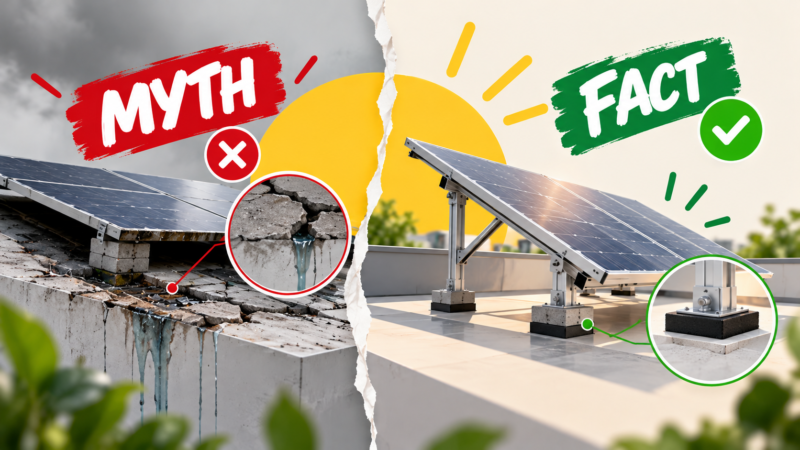
This myth about common solar misconceptions persists despite being largely outdated. Professional installation uses mounting systems specifically designed to avoid roof damage, and in many cases, panels actually help protect the covered roof area from weather exposure and UV degradation over time. Roof issues typically arise only from poor installation practices, not from the panels or mounting hardware themselves when installed correctly.
Myth #5: "Solar Panels Are Only Worth It in Sunny Climates"
While more sunlight does mean more generation, this solar panel myth overstates the requirement. Solar panels still generate meaningful electricity in moderate climates, and many regions with less intense sunlight compensate with cooler temperatures, which actually improve panel efficiency (panels perform worse in extreme heat than in moderate, cooler conditions). The truth about solar energy is that most inhabited regions, including much of India across varying climates, support financially viable solar installations.
Myth #6: "Battery Storage Is Required for Every Solar System"
This is a common point of confusion among solar panel myths. Most grid-connected residential systems rely on net metering, not battery storage, to manage excess generation and nighttime power needs. Battery storage is an optional addition for backup power during outages, not a mandatory component of every system — adding it increases cost but isn’t necessary for a functional, bill-saving installation.
Myth #7: "Solar Panels Aren't Worth It Because They'll Become Obsolete Soon"
Some hesitant buyers delay installation believing better technology is always just around the corner, making current panels a poor investment. While solar module efficiency does continue improving, current panel technology already delivers strong, reliable returns, and electricity tariff increases typically outpace the rate of technology improvement. Waiting indefinitely for “better technology” often costs more in lost savings than any future efficiency gain would provide.
Myth #8: "Government Subsidy Makes Solar Complicated and Not Worth the Hassle"
Among the more damaging common solar misconceptions, this myth discourages people from pursuing subsidy benefits that meaningfully reduce cost. While the application process does require some paperwork, working with an experienced, empanelled installer typically handles most of this process, making subsidy access far simpler in practice than this myth suggests.
Myth #9: "Solar Panels Are Bad for the Environment Because of Manufacturing"
This myth about solar energy facts vs myths often surfaces in environmental debates, but the numbers don’t support it. The carbon footprint from manufacturing a solar panel is offset by clean electricity generation within the first few years of operation, after which the system continues generating emissions-free electricity for decades. Over a full 25-year lifespan, the net environmental benefit vastly outweighs the manufacturing footprint.
Myth #10: "Solar Panels Will Definitely Fail or Underperform After a Few Years"
The final entry in our solar myths debunked list addresses reliability concerns. Quality solar panels are built to degrade gradually, not fail suddenly, typically losing just 0.3-0.8% of output capacity per year depending on panel quality. This means a system still performs at 80-90% of its original capacity even after two decades of operation — a far cry from the “failure” this myth implies.
Solar Myths vs Facts: Quick Reference Table
| Myth | Reality |
|---|---|
| Doesn’t work in cloudy/rainy weather | Still generates power, just at reduced output |
| Too expensive for average households | Subsidies + falling costs make it widely accessible |
| Requires constant maintenance | Minimal upkeep — occasional cleaning, annual inspection |
| Damages your roof | Properly installed systems don’t damage roofs |
| Only worth it in sunny climates | Works well across most climates, including moderate ones |
| Battery storage is mandatory | Most systems use net metering, no battery required |
| Will become obsolete soon | Current technology already delivers strong ROI |
| Subsidy process too complicated | Installers typically handle most of the paperwork |
| Bad for environment due to manufacturing | Emissions offset within a few years of operation |
| Will fail or underperform quickly | Panels degrade gradually, not suddenly |
This table makes the solar energy facts vs myths comparison easy to reference at a glance, directly contrasting outdated assumptions with the current, accurate picture
Why Getting These Solar Myths Debunked Matters
Beyond individual decision-making, having these solar myths debunked clearly and accessibly matters for broader adoption. Misinformation doesn’t just delay individual households — it slows collective progress toward cleaner energy at a time when faster adoption genuinely matters for both cost savings and environmental impact.
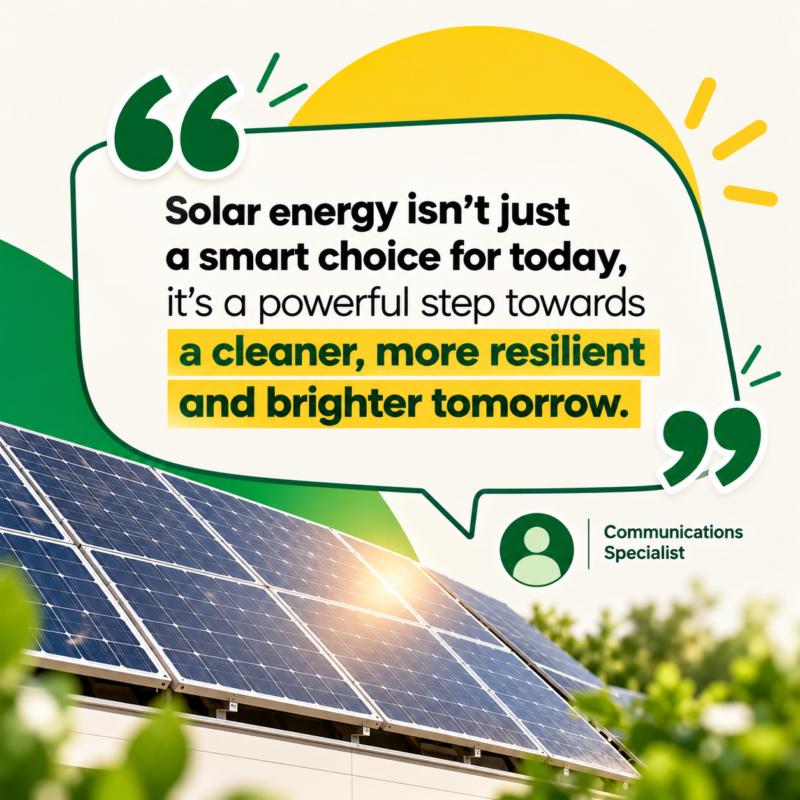
As one renewable energy communications specialist noted in a recent industry discussion: “Half our job isn’t selling solar — it’s un-teaching years of outdated information people picked up from a decade-old article or a well-meaning but misinformed neighbor.” That sentiment captures exactly why addressing common solar misconceptions directly, rather than assuming people already have accurate information, is such an important part of solar education.
How to Verify Solar Information Going Forward
Given how often solar panel myths circulate, here’s a practical approach to verifying any solar-related claim you encounter:
- Check the date of the information — solar technology and pricing change significantly year to year
- Look for specific numbers, not vague statements — credible sources cite efficiency percentages, degradation rates, and actual cost ranges
- Cross-reference with official sources like MNRE or your state renewable energy department for policy-related claims
- Ask your installer to explain the reasoning behind any claim, rather than accepting it at face value
- Be skeptical of absolute statements (“solar never works in winter,” “solar always pays for itself in X years”) since real performance varies by location and system
Final Thoughts: Moving Past Outdated Assumptions
Getting these solar myths debunked isn’t just about correcting misinformation for its own sake — it’s about making sure genuinely good decisions aren’t blocked by outdated assumptions. The truth about solar energy is considerably more favorable than much of the lingering misinformation suggests: modern panels perform well across most climates and weather conditions, require minimal maintenance, offer genuine financial returns, and deliver environmental benefits that far outweigh their manufacturing footprint.
If you’ve been holding off on solar because of any of these common solar misconceptions, it’s worth revisiting the decision with current, accurate information rather than secondhand assumptions.
Anya Green Energy offers free consultations to address any specific concerns or questions you have — happy to walk through the solar energy facts vs myths relevant to your exact situation, roof, and budget.
FAQ Section
Q1: What are the most common solar myths debunked by current data?
The most common solar myths debunked include claims that solar doesn’t work in cloudy weather, requires constant maintenance, damages roofs, and will fail quickly — none of which hold up against current performance data.
Q2: Are these solar panel myths based on outdated information?
Yes — most solar panel myths originated from solar technology and pricing as it existed 10-15 years ago, and haven’t kept pace with significant improvements in efficiency, cost, and installation practices since then.
Q3: What is the truth about solar energy and cloudy weather?
The truth about solar energy in cloudy conditions is that panels continue generating electricity from diffused light, with output typically dropping 10-50% depending on cloud density, rather than stopping entirely.
Q4: How can I tell solar energy facts vs myths when researching online?
To separate solar energy facts vs myths, check the publication date of information, look for specific numbers rather than vague claims, and cross-reference with official sources like MNRE for policy-related information.
Q5: Do common solar misconceptions actually affect adoption rates?
Yes — common solar misconceptions around cost, maintenance, and reliability are frequently cited reasons for delaying or avoiding solar adoption, even when the underlying concerns no longer reflect current technology or pricing.
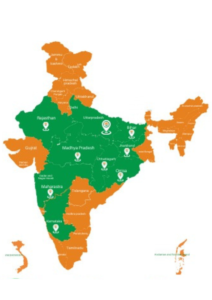
Trusted by 50000+ Customers
Anya Green Energy is a leading solar company and Solar Energy service provider established in 2013. We are recognized by startup India and customer best choice award 2022.
Our Achievements :
Recognized by Startup India.
Purvanchal’s first solar company to operate exclusively with solar products.
Certified by well-known institutions such as MSME, IndiaMart, and Just Dial and many more.
Winner of the Best Customer Choice Award 2022.
Over 50,000 happy customers across India.