Do Solar Panels Work on Rainy Days? What Heavy Weather Means for Your Power Output

Rain clouds are gathering, dust is covering your rooftop, or winter has arrived. If you own a rooftop solar system, one question naturally comes to mind: will it continue generating electricity when the weather changes?
The answer is yes, in many situations, but the amount of electricity generated can change considerably. Rain, clouds, snow, dust and extreme weather affect solar panels in different ways. Understanding these differences helps you protect your investment and make informed maintenance decisions.
Good solar panel maintenance is not simply about washing panels regularly. It also means monitoring electricity generation, checking for visible damage and understanding when seasonal changes are normal.
In this guide, Anya Green Energy explains what homeowners should know about monsoons, winter conditions, dust accumulation and safe rooftop care.
How Weather Affects Solar Panel Performance
Solar photovoltaic panels convert sunlight into electricity. Their output depends on the sunlight reaching the cells, operating temperature, system condition and other environmental factors.
Cloud cover reduces the sunlight available to generate electricity. Rain may temporarily reduce production because of thick clouds, while wind can help cool hot panels. Dust may block part of the sunlight, and snow can obstruct the panel surface.
This is why solar panel maintenance should include both physical inspections and performance monitoring. A temporary drop during cloudy weather does not necessarily indicate a fault.
For example, a homeowner in Varanasi might notice lower generation during a week of continuous monsoon rain. The right response is to compare production with the weather conditions and the system’s usual seasonal pattern rather than immediately assuming the equipment is damaged.
The US Department of Energy identifies local solar availability, weather patterns, equipment age and severe weather as factors that influence photovoltaic performance.
Do Solar Panels Work on Rainy Days?
Yes. Solar panels on rainy days can continue producing electricity because photovoltaic cells can generate power from diffuse daylight, even when direct sunlight is limited.
However, the amount generated depends on cloud thickness, daylight intensity, panel orientation and the system’s condition. Heavy, dark clouds can reduce output much more than light cloud cover.
For homeowners, the important distinction is between a system that generates less electricity temporarily and one that has developed a fault.
Can rain clean solar panels naturally?
Rain can wash away loose dust and some surface dirt. This may improve the amount of sunlight reaching the cells after the weather clears.
Nevertheless, rain is not a guaranteed substitute for solar panel cleaning. Sticky deposits, bird droppings, pollen and dust mixed with moisture may remain on the glass. In some locations, rainwater can also leave mineral marks.
Research from the US National Renewable Energy Laboratory explains that rain and wind remove some particles, but certain deposits can become difficult to remove after accumulating on the surface.
Therefore, solar panels on rainy days may benefit from natural rinsing, but owners should still inspect their systems after the monsoon if safe access is available.
What should homeowners do during the monsoon?
Follow these practical steps:
Check the inverter’s generation data without climbing onto the roof.
Look for visible water accumulation, damaged mounting hardware or exposed wiring from a safe location.
Arrange a professional inspection if water appears to be entering electrical enclosures.
Avoid touching electrical equipment with wet hands or during thunderstorms.
Review generation over several days instead of judging performance from one rainy afternoon.
A sensible solar panel maintenance routine prioritises electrical safety and reliable monitoring over unnecessary physical intervention.
How Dust Affects Solar Panels
Dust is a common concern in Indian cities and residential areas near construction sites, unpaved roads, agricultural land or industrial activity.
When dust settles on a module, it can reduce the sunlight reaching the photovoltaic cells. The effect depends on the amount of dust, particle characteristics, moisture, panel angle and local weather.
In other words, dust on solar panels is not just a cosmetic problem. Persistent deposits can contribute to lower electricity generation.
Why does dust accumulation matter?
Consider a rooftop in Varanasi close to a busy road. Fine particles may settle on the panels between rainfall events. During dry weather, deposits can build up gradually, particularly when the system is installed near sources of dust.
If the homeowner notices a persistent decline that does not match the weather, inspecting for soiling is a reasonable first step.
However, do not assume every decline comes from dirt. Shading from new construction, inverter faults, damaged cables and other technical issues can also reduce production.
How often should dusty panels be cleaned?
There is no universal cleaning interval that suits every rooftop. A home near a construction site may require more frequent inspections than one in a relatively clean environment.
Use these practical guidelines:
Inspect the panel surface periodically from a safe location.
Check generation trends for an unexplained decline.
Schedule cleaning when deposits are visible or performance evidence suggests soiling may be contributing.
Follow the panel manufacturer’s cleaning instructions.
Avoid wasting water on frequent cleaning when the surface is already reasonably clean.
Effective solar panel maintenance balances energy production, cleaning costs, water use and safety.
Solar Panel Cleaning: A Safe and Practical Approach
Correct solar panel cleaning can help remove deposits that interfere with sunlight absorption. But incorrect methods can scratch the glass, damage seals or expose people to serious rooftop hazards.
Before arranging cleaning, check the manufacturer’s instructions and determine whether professional assistance is appropriate.
Recommended cleaning practices
For routine care, follow these principles:
Choose safe conditions. Avoid cleaning during thunderstorms, strong winds or when the roof is wet and slippery.
Use suitable water. Follow the manufacturer’s guidance regarding water quality and temperature.
Avoid abrasive materials. Do not use metal scrapers, rough brushes or harsh chemicals unless specifically approved.
Do not stand on modules. Panel glass and internal cells can be damaged by concentrated weight.
Use trained professionals. Electrical connections, roof access and elevated installations require appropriate safety precautions.
Never spray water into inverter openings, electrical enclosures or damaged wiring. If you notice cracks, loose cables or unusual electrical behaviour, arrange a qualified inspection instead of attempting repairs yourself.
A planned solar panel cleaning routine should address actual dirt accumulation rather than rely on an arbitrary daily or weekly schedule.
What Happens to Solar Panels in Snow?
Snow is less relevant to most homeowners in Varanasi and much of the Indian plains, but it matters in Himalayan states and other colder regions.
Solar panels in snow can still produce electricity when daylight reaches the cells. However, snow covering the active surface can significantly restrict generation. The amount of lost production depends on snow depth, coverage, panel tilt, sunlight and how quickly the snow clears.
Light snow may melt or slide off a tilted panel. Sunlight can warm the module, but melting speed varies with temperature, wind and snow conditions.
Does snow damage solar panels?
Ordinary snowfall does not automatically mean a panel has been damaged. Properly selected and installed equipment is designed for specified environmental loads, but heavy snow and ice can create structural risks.
The US Department of Energy warns that severe snow and ice accumulation can place excessive loads on modules and mounting structures. It also advises caution when removing snow because tools and people can damage the system.
For solar panels in snow, the safest approach is to monitor generation and arrange a professional assessment when snow accumulation is excessive or structural damage is suspected.
Do not climb onto a snowy roof, use metal tools or pour hot water over cold modules. Sudden temperature changes and unsafe access can create additional risks.
Seasonal Maintenance: Monsoon, Winter and Summer
A practical solar panel maintenance plan should respond to local conditions rather than follow the same checklist throughout the year.
Season | Main concern | Recommended action |
|---|---|---|
Monsoon | Reduced daylight, moisture and storm damage | Monitor output and arrange an inspection if damage or water ingress is suspected. |
Dry, dusty months | Accumulated surface deposits | Inspect for soiling and clean when necessary. |
Winter | Shorter daylight hours and colder conditions | Compare generation with normal seasonal patterns. |
Severe weather | Wind, hail, flooding or falling debris | Inspect from a safe location and arrange professional checks after suspected damage. |
For solar panels on rainy days, focus on weather-related generation changes and electrical safety. For dust on solar panels, look for persistent surface deposits. For solar panels in snow, prioritise safe access and structural protection.
These differences are why a localised maintenance plan is more useful than a one-size-fits-all schedule.
Add Your Heading Text HereHow Can You Tell Whether Your Solar System Needs Attention?
A temporary generation dip may be normal, but persistent changes deserve investigation.
Use your inverter display, monitoring application or generation meter to review trends. Compare similar periods where possible, accounting for cloud cover, seasonal daylight and recent cleaning.
Consider professional support if you notice:
A sustained decline that weather conditions do not adequately explain.
An inverter warning or repeated system shutdown.
Visible cracks, loose mounting components or exposed wiring.
Water entering an electrical enclosure.
Persistent dirt that cannot be safely removed through routine care.
Solar panel maintenance is most effective when owners identify problems early without attempting unsafe repairs.
Remember that cleaning cannot correct every performance issue. A technician may need to inspect the inverter, wiring, shading, connections or mounting structure to identify the actual cause.
Frequently Asked Questions
1. Do solar panels generate electricity during heavy rain?
Yes. Solar panels on rainy days can generate electricity from available daylight, although heavy cloud cover generally reduces production. The exact output depends on local weather and system conditions.
2. Does rain remove all dust from solar panels?
No. Rain may wash away loose particles, but sticky dirt, bird droppings and mineral deposits can remain. Inspect the surface and arrange solar panel cleaning when needed.
3. Can dust reduce solar electricity generation?
Yes. Dust on solar panels can block, reflect or scatter incoming sunlight. The impact varies with deposit thickness, particle type, local conditions and cleaning frequency.
4. Do solar panels work when covered with snow?
Solar panels in snow can generate electricity if some active surface remains exposed to daylight. Heavy or complete coverage can sharply restrict production until the snow clears.
5. How frequently should I schedule solar panel maintenance?
The ideal interval depends on the site, dust levels, rainfall, equipment instructions and performance history. A regular inspection routine with condition-based cleaning is more appropriate than assuming every system needs the same schedule.
6. Should I clean rooftop solar panels myself?
Only if the manufacturer permits it and the work can be completed safely. Rooftop falls and electrical hazards are serious risks. Professional cleaning is preferable when access is difficult or electrical components may be affected.
Conclusion: Protect Your Solar Investment Through Smart Maintenance
Rain, snow and dust affect solar generation differently, but a seasonal change in output does not automatically indicate a damaged system. Understanding the weather, checking generation trends and arranging appropriate inspections can help homeowners make better decisions.
Consistent solar panel maintenance should combine safe cleaning, visual checks, inverter monitoring and timely professional support. Rain may remove loose dust, dry conditions may increase surface deposits, and snow can obstruct sunlight. Each situation calls for a different response.
For homeowners in Varanasi and across Uttar Pradesh, Anya Green Energy can help assess rooftop solar concerns and identify appropriate next steps.
Planning a rooftop solar installation or concerned about your current system’s performance? Contact Anya Green Energy to discuss a suitable inspection or maintenance consultation.
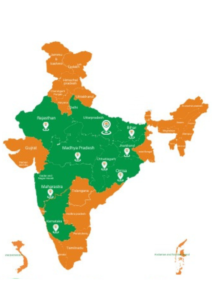
Trusted by 50000+ Customers
Anya Green Energy is a leading solar company and Solar Energy service provider established in 2013. We are recognized by startup India and customer best choice award 2022.
Our Achievements :
Recognized by Startup India.
Purvanchal’s first solar company to operate exclusively with solar products.
Certified by well-known institutions such as MSME, IndiaMart, and Just Dial and many more.
Winner of the Best Customer Choice Award 2022.
Over 50,000 happy customers across India.