Solar Power for Home in 2026: What's New, What's Changing, and What to Expect
If you’re planning ahead, you’ve probably already started researching solar power for home in 2026 — and for good reason. The solar industry moves fast, with new panel technology, shifting pricing, and evolving government policy reshaping the value proposition almost every year. What was true about solar in 2023 isn’t necessarily true heading into 2026.
This guide covers everything homeowners need to know about solar power for home in 2026 — from technology upgrades and pricing trends to policy changes and practical buying advice — so you can plan your installation with current, accurate information rather than outdated assumptions.
Why 2026 Is a Pivotal Year for Residential Solar
Several converging factors make solar power for home in 2026 a particularly interesting moment for homeowners to pay attention to. Panel efficiency continues climbing as half-cut cell and bifacial technology become mainstream rather than premium options. Meanwhile, home solar systems are increasingly bundled with smart energy management features — automated battery dispatch, app-based monitoring, and AI-driven consumption optimization — that simply weren’t standard even two years ago.
At the same time, electricity tariffs continue their steady annual climb across most Indian states, while equipment costs for residential solar panels keep trending downward due to manufacturing scale. This widening gap is the single biggest reason more households are seriously evaluating solar power for home in 2026, rather than treating it as a someday decision.
Ready to switch to Solar?
solar solutions with Anya Green Energy and discover how you can reduce your electricity bills.
Contact UsTechnology Trends Shaping Home Solar Systems in 2026
Higher-Efficiency Panels Become the Default
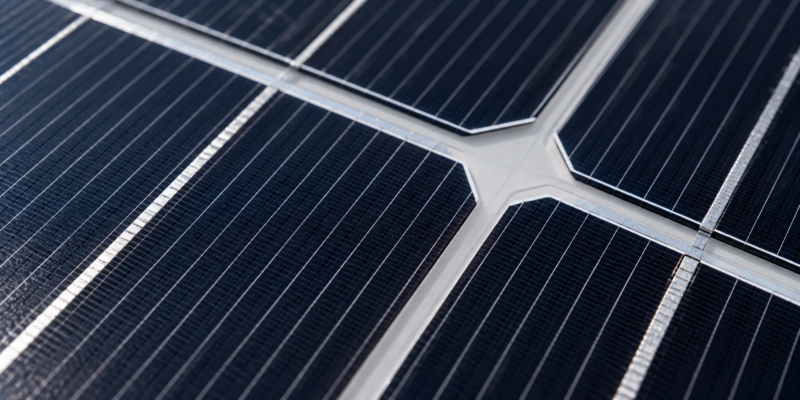
Half-cut cell and bifacial panel technology, once considered premium upgrades, are becoming the standard offering across most installers by 2026. These residential solar panels generate more power per square foot, which matters significantly for homes with limited roof space.
Smarter Home Solar Systems
Home solar systems in 2026 increasingly come with integrated smart monitoring as standard, not optional. App-based dashboards let homeowners track real-time generation, consumption, and savings, while AI-assisted battery management automatically optimizes when to store versus export power based on usage patterns and tariff timing.
Battery Storage Becomes More Accessible
Battery prices have been on a steady downward trend, and by 2026, pairing solar power for home installations with storage is far more financially realistic than it was even three years ago. This shift is making true energy independence — not just bill reduction — an achievable goal for more households, not just early adopters with larger budgets.
Improved Net Metering Infrastructure
Many state electricity boards have been investing in digitizing and streamlining net metering approval processes, which historically caused delays for new home solar systems. While processing times still vary by state, the general trend for solar power for home in 2026 points toward faster, more predictable approval timelines compared to previous years.
Pricing Outlook: What Will Solar Power for Home Cost in 2026?
One of the most common questions homeowners have about solar power for home in 2026 is simple: will it be cheaper or more expensive than it is now?
The general trend favors continued, gradual cost reduction for solar power solutions, driven by manufacturing scale, improved panel efficiency (meaning fewer panels needed for the same output), and increased market competition among installers. However, this isn’t uniform — battery storage components, while dropping in price, still represent a significant cost addition for homeowners wanting backup power alongside residential solar panels.
Government subsidy structures also continue evolving, and solar energy for households remains a policy priority at both central and state levels, meaning subsidy support is likely to continue in some form, even as exact scheme details shift year to year. The practical takeaway: waiting indefinitely for prices to drop further often isn’t the most financially sound strategy, since electricity tariff increases typically outpace the rate of equipment cost reduction.
Policy and Subsidy Landscape Heading Into 2026
Policy context matters enormously when evaluating solar power for home in 2026. Central government schemes supporting solar energy for households have consistently aimed to accelerate rooftop solar adoption, with subsidy amounts and eligibility criteria periodically updated based on budget allocations and adoption targets.
Several states have also introduced their own complementary incentives — additional subsidies, accelerated net metering processing, and simplified application portals — layered on top of central schemes. For anyone seriously considering home solar systems in 2026, checking both central and state-level policy specifics before finalizing a quote remains essential, since these details directly affect the real cost and payback timeline of any installation.
What Homeowners Should Actually Look For in 2026
With more advanced solar power solutions available than ever, choosing the right system for your home requires slightly different evaluation criteria than it did a few years ago:
- Panel technology — prioritize half-cut or bifacial cells for better space efficiency, especially on smaller roofs
- Smart monitoring capability — look for systems with reliable app-based tracking, now a reasonable baseline expectation
- Battery compatibility — even if you’re not adding storage immediately, choose a system that can integrate a battery later without major rework
- Installer net metering track record — ask specifically about recent approval timelines in your area, not just generic promises
- Warranty terms — confirm panel performance warranties (typically 25 years) and inverter warranties (typically 5-10 years) are clearly documented
These factors matter more for solar power for home in 2026 than simply comparing upfront price quotes, since technology quality and installer reliability significantly affect long-term value.
Comparing 2026 Home Solar Systems to Previous Years
| Factor | A Few Years Ago | Solar Power for Home in 2026 |
|---|---|---|
| Panel technology | Standard polycrystalline common | Half-cut/bifacial increasingly standard |
| Monitoring | Optional add-on | Often included as standard feature |
| Battery storage | Expensive, niche | More accessible, mainstream consideration |
| Net metering process | Often slow, manual | Increasingly digitized in many states |
| Average payback period | 6-8 years | Trending toward 4-6 years in many cases |
This comparison makes clear why solar power for home in 2026 represents a genuinely improved proposition compared to even recent years — not just a repackaged version of the same technology with a new price tag.
Is Solar Power for Home in 2026 a Good Investment?
As one renewable energy industry report summarized the broader shift: “Residential solar has moved from an early-adopter technology to a mainstream home utility decision — the question for most households now isn’t whether it works, but when to start.” That sentiment captures exactly where solar power for home in 2026 stands: increasingly practical, increasingly standard, and increasingly difficult to justify delaying for households with reasonable electricity consumption and roof access.
For most homeowners, the combination of improving residential solar panels technology, continued policy support for solar energy for households, and a widening gap between rising grid tariffs and falling equipment costs makes 2026 a strong year to move from research to action.
How to Prepare for a 2026 Solar Installation
If you’re planning to install solar power for home in 2026, here’s how to prepare now:
- Track your electricity bills for the past 12 months to understand your actual consumption pattern
- Research current state-specific subsidy and net metering policies, since these directly affect final cost and timeline
- Get quotes from multiple installers and compare not just price, but panel technology, warranty terms, and monitoring features
- Ask about battery compatibility, even if you’re not adding storage immediately
- Confirm realistic installation and approval timelines with your chosen installer before committing
Taking these steps ensures your home solar systems decision is based on current 2026 realities, not outdated assumptions from years-old research.
Final Thoughts: Should You Go Solar in 2026?
Solar power for home in 2026 represents the most technologically advanced, cost-effective, and policy-supported version of residential solar India has seen to date. Higher-efficiency residential solar panels, smarter home solar systems, more accessible battery storage, and improving net metering infrastructure all point toward a stronger value proposition than in previous years.
If you’ve been waiting for the “right time” to explore solar power solutions for your home, the trends heading into 2026 suggest that time is now — particularly given how electricity tariff increases continue to outpace the gradual decline in equipment costs.
Anya Green Energy offers free, no-obligation home assessments to help you understand exactly what solar power for home in 2026 would look like for your specific roof, consumption pattern, and budget — with the latest technology and current subsidy information factored in.
FAQ Section
Q1: Is solar power for home in 2026 cheaper than previous years?
Generally, yes — solar power for home in 2026 benefits from continued equipment cost reductions and improved panel efficiency, though battery storage still adds meaningful cost for homeowners wanting backup power.
Q2: What’s new in home solar systems heading into 2026?
Home solar systems in 2026 increasingly include smart app-based monitoring, AI-assisted battery management, and higher-efficiency half-cut or bifacial panels as standard features rather than premium upgrades.
Q3: Are residential solar panels more efficient now than a few years ago?
Yes — residential solar panels using half-cut cell and bifacial technology generate meaningfully more power per square foot compared to standard panels from just a few years ago, benefiting homes with limited roof space especially.
Q4: What subsidy support is available for solar energy for households in 2026?
Both central and state governments continue supporting solar energy for households through subsidy schemes, though exact amounts and eligibility criteria are updated periodically — checking current details before finalizing a quote is essential.
Q5: What should I look for in solar power solutions before installing in 2026?
Prioritize solar power solutions offering modern panel technology, reliable smart monitoring, battery compatibility, a strong installer net metering track record, and clearly documented warranty terms.
Trusted by 50000+ Customers
Anya Green Energy is a leading solar company and Solar Energy service provider established in 2013. We are recognized by startup India and customer best choice award 2022.
Our Achievements :
Recognized by Startup India.
Purvanchal’s first solar company to operate exclusively with solar products.
Certified by well-known institutions such as MSME, IndiaMart, and Just Dial and many more.
Winner of the Best Customer Choice Award 2022.
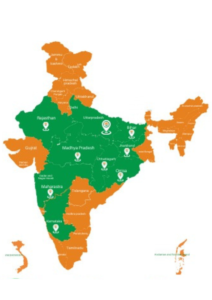
Over 50,000 happy customers across India.