Solar energy passive income: how solar power can create long-term earnings
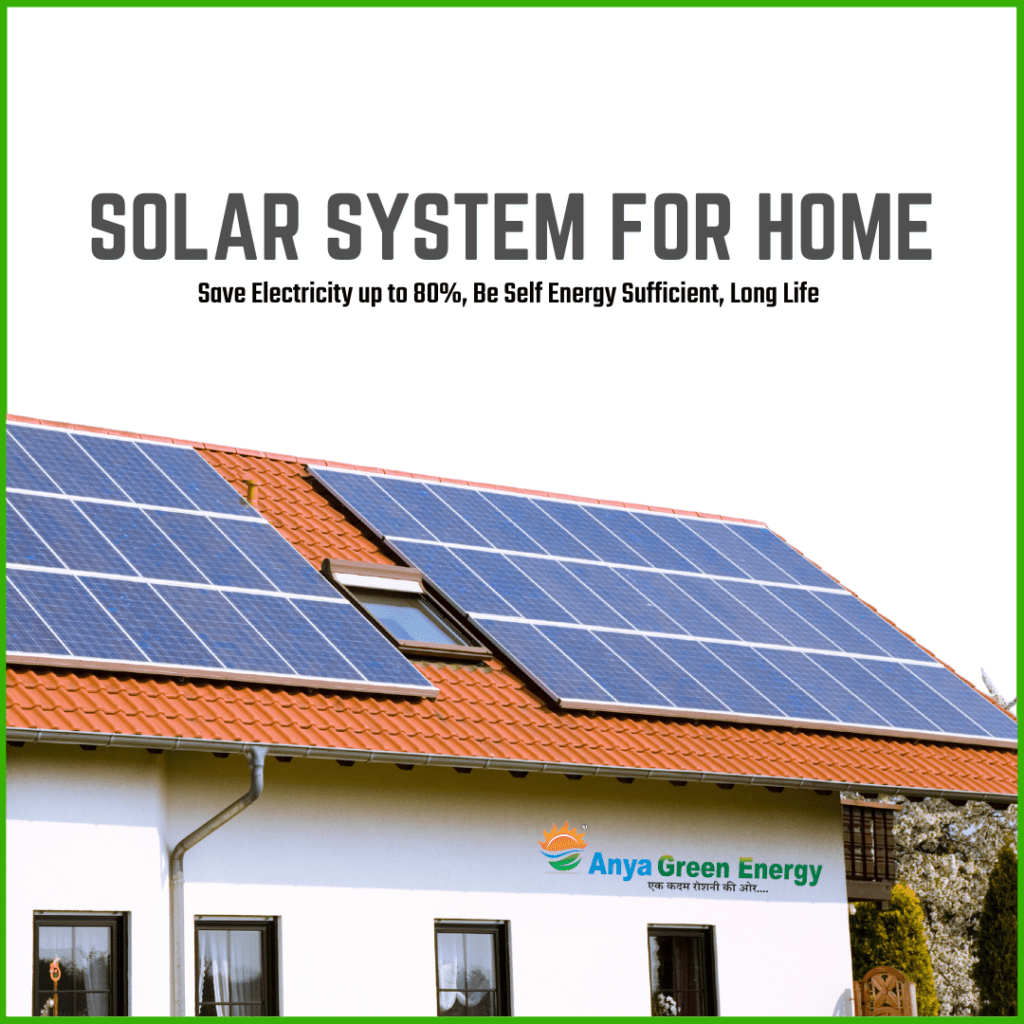
As energy costs continue to rise and sustainability becomes a global priority, solar energy has emerged as more than just an environmentally friendly technology—it has become a practical financial asset. Today, homeowners, businesses, farmers, and commercial property owners are increasingly exploring ways to generate passive income through solar energy. By installing a solar power system, individuals can reduce electricity expenses, earn from surplus electricity in some regions, increase property value, and enjoy long-term financial benefits with minimal ongoing effort. In this blog, we’ll explore how solar energy creates passive income, who can benefit, and the different ways solar investments can generate consistent financial returns.
What Is Passive Income from Solar Energy?
Solar Energy Passive Income refers to money earned with minimal daily involvement after an initial investment. In the case of solar energy, passive income is generated when a solar power system continuously produces electricity that reduces operating costs or creates additional revenue over many years.
Unlike traditional investments that rely solely on market performance, solar systems generate value every sunny day by producing clean electricity. Once installed, a quality solar power plant can operate efficiently for 25 years or more, making it one of the most reliable long-term investments.

How Does Solar Energy Generate Passive Income?
There are several ways a solar energy system can contribute to Solar Energy Passive Income.
1. Savings on Electricity Bills
The most common financial benefit is reducing monthly electricity bills.
Every unit of electricity generated by solar panels is a unit that does not need to be purchased from the electricity distribution company. Over time, these savings accumulate into substantial financial gains.
For businesses with high daytime electricity consumption, the savings can amount to lakhs of rupees annually.
2. Net Metering Benefits
In many regions, grid-connected solar systems allow consumers to export excess electricity back to the power grid through net metering.
When your solar system generates more electricity Solar Energy Passive Income than your building consumes, the surplus energy is credited to your electricity account. These credits reduce future electricity bills and improve the overall return on investment.
Availability and regulations depend on the policies of the local electricity distribution company and state electricity regulatory commission.
3. Lower Business Operating Costs
For commercial establishments such as:
- Hotels
- Restaurants
- Schools
- Hospitals
- Shopping malls
- Corporate offices
- Manufacturing units
Solar significantly reduces operational expenses.
The money saved each month can be reinvested into business growth, effectively functioning as additional income.
Who can earn passive income from Solar ?
Solar Energy Passive Income can benefit a wide range of consumers.
Homeowners
Residential rooftop solar helps families lower electricity bills while protecting them from future tariff increases.
Commercial Buildings
Commercial buildings usually consume electricity during daylight hours, making them excellent candidates for solar installations.
Examples include:
- Office buildings
- Banks
- Educational institutions
- Marriage halls
- Hotels
- Retail stores
- Supermarkets
Industrial Units
Factories often operate heavy machinery during the day, allowing maximum utilization of solar energy and faster returns on investment.
Farmers
Solar-powered irrigation pumps reduce diesel and electricity expenses while increasing agricultural profitability.
How Much Investment is Required ?
Solar Energy Passive Income depends on system capacity, equipment quality, installation complexity, and whether battery storage is included.
Typical commercial system sizes include:
| Solar Capacity | Approximate Investment |
|---|---|
| 10 kW | ₹7–12 lakh |
| 20 kW | ₹12–20 lakh |
| 30 kW | ₹17–28 lakh |
| 50 kW | ₹28–48 lakh |
| 100 kW | ₹55 lakh–₹1 crore |
Hybrid solar systems with battery storage require higher investment than standard on-grid systems but provide backup power during grid outages.
Hybrid vs On-Grid for Passive Income
An On-Grid Solar System is generally the better choice when the primary goal is maximizing electricity bill savings and the local grid supply is reliable.
A Hybrid Solar System is ideal when uninterrupted power is also important. It combines solar generation with battery storage, allowing critical loads to continue operating during power failures.
Although hybrid systems involve a higher upfront investment, they provide additional value by preventing business interruptions and reducing dependence on diesel generators.
Conclusion
Solar energy is no longer just an environmentally responsible choice—it is a smart financial investment capable of generating long-term Solar Energy Passive Income. Whether through lower electricity bills, reduced operating costs, net metering credits where available, increased property value, or improved business profitability, solar offers multiple pathways to consistent financial benefits.
For homeowners, businesses, educational institutions, hospitals, industries, and commercial establishments, investing in a professionally designed solar power system Solar Energy Passive Income can provide decades of reliable energy and predictable savings. By choosing the right system size, using high-quality equipment, and ensuring expert installation, solar energy can become one of the most dependable sources of passive income while contributing to a cleaner and more sustainable future.