Wind Energy in 2026: How the Fastest-Growing Clean Power Source Is Reshaping the Grid
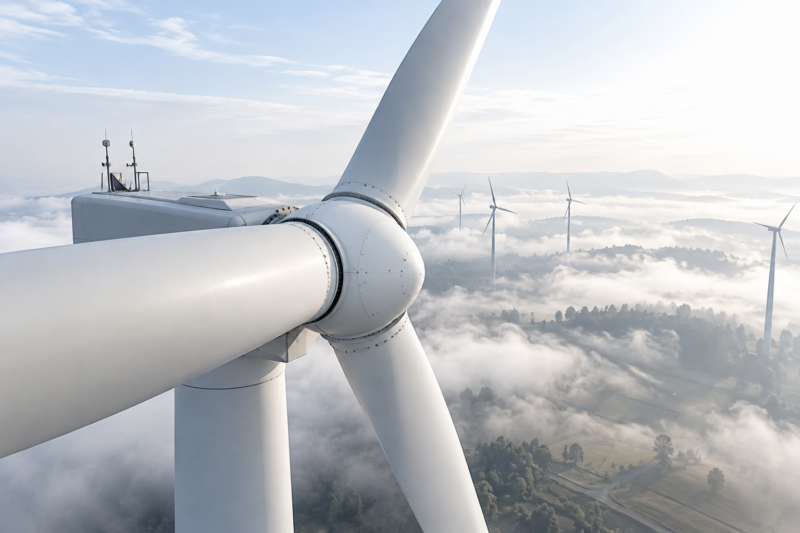
Twenty years ago, wind energy was a niche experiment. Today it powers economies in over 138 countries, and 2025 was its biggest year ever — a record 165 GW of new capacity installed in a single twelve-month stretch. While solar panels get most of the public attention, wind energy has quietly become one of the two pillars holding up the entire global clean energy transition.
If you’ve noticed more turbines dotting hillsides and coastlines lately, or wondered why India, China, and the US are racing to build offshore wind farms, this guide walks through what wind energy is, where it stands right now, and where it’s headed — grounded in the latest 2025–2026 data.
What Is Wind Energy?
Wind energy is electricity generated by capturing the kinetic force of moving air and converting it into power through turbines. The blades of a turbine spin a rotor connected to a generator, and that mechanical motion becomes usable electricity fed into the grid. It’s one of the cleanest forms of renewable energy available, producing zero emissions during operation.
There are two main categories worth understanding:
- Onshore wind — turbines built on land, typically in open plains, hills, or coastal belts with strong, consistent wind. This remains the cheapest and most widely deployed form of wind power globally.
- Offshore wind — turbines installed in the ocean, often far from shore, where wind speeds are stronger and steadier. Offshore wind costs more to build but delivers higher, more reliable output.A newer trend, wind-solar hybrid parks, combines wind power with solar panels at the same site to smooth out generation across day and night, making the overall output more predictable.
Wind Energy by the Numbers: The Global Picture in 2025–2026
The scale of recent growth is genuinely remarkable. According to the Global Wind Energy Council’s 2026 Global Wind Report:
- Global installed wind capacity reached 1,299 GW by the end of 2025, up from just 1 TW in 2023.
- A record 165 GW of new wind capacity was added in 2025 alone — a 40% jump over the previous record year.
- Wind power now supplies about 9.5% of global electricity generation, with over 138 countries using it commercially.
- The sector employs roughly 1.5 million workers worldwide, a number IRENA expects could climb past 6 million by 2050.
- GWEC projects 969 GW of new capacity will be added between 2026 and 2030, pushing global wind capacity past the 2 TW mark by 2029.
IRENA’s 2026 statistical review also confirms wind energy added 159 GW globally in 2025, making it the second-largest contributor to renewable capacity growth after solar. Onshore wind, in particular, is now recognised by IRENA as one of the cheapest sources of new electricity generation anywhere in the world — often undercutting coal and gas.
India's Wind Energy Story: A Rising Global Player
India has quietly become one of the world’s most important wind energy markets. As of mid-2026, India’s cumulative installed wind capacity stood at roughly 56.8–58 GW, making it the fourth-largest wind power market globally. During FY2025–26, the country added a record 6.05 GW of new capacity — its best year on record — and wind now contributes about 20% of India’s total renewable energy mix.
Gujarat leads the country with over 15.6 GW installed, followed by Tamil Nadu (12.1 GW) and Karnataka (8.7 GW). India’s assessed onshore wind potential stands at a massive 1,164 GW at 150-metre hub heights, with Rajasthan alone holding over 284 GW of that potential — meaning the current build-out has barely scratched the surface.
Two developments are shaping the next phase:
- The 100 GW by 2030 target — the Ministry of New and Renewable Energy wants wind energy to contribute over 100 GW toward India’s broader goal of 500 GW non-fossil capacity by 2030, requiring sustained annual additions of around 10 GW.
- Offshore wind’s first steps — a ₹7,453 crore Viability Gap Funding scheme is backing India’s first 1 GW of offshore wind capacity, split 500 MW each off Gujarat and Tamil Nadu, against an assessed offshore potential of nearly 71 GW along both coasts.
Repowering old turbines is another major opportunity: India has more than 19,000 ageing sub-megawatt turbines that could be replaced with modern equipment, potentially unlocking 25.4 GW of extra capacity and doubling efficiency from legacy machines.
Why Wind Energy Matters for the Clean Energy Transition
1. Cost Competitiveness Onshore wind is now one of the cheapest sources of new electricity in most markets, and a wind farm can be built in 18 to 24 months — faster than a new gas-fired power plant. IRENA reports that around 91% of new renewable projects, including most wind energy projects, are already cheaper than fossil fuel alternatives.
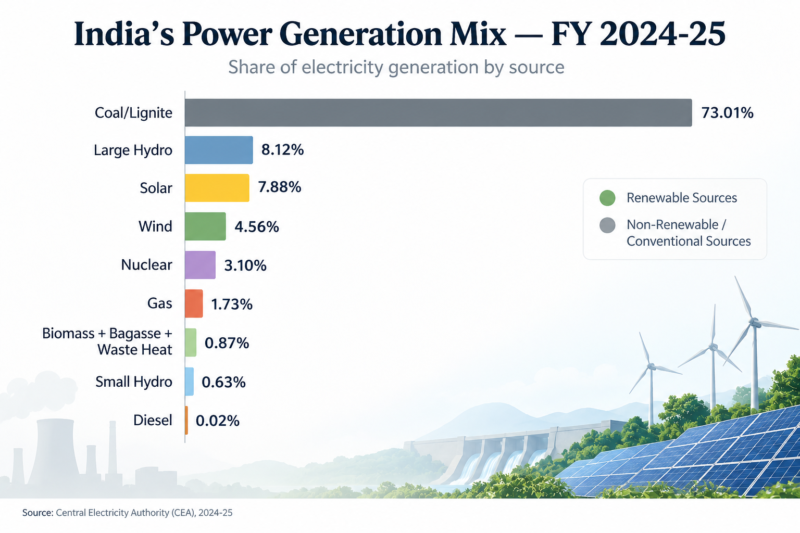
2. Complementing Solar Power Wind energy often peaks at night and during cloudy or monsoon periods, exactly when solar output drops. Pairing the two through hybrid parks smooths supply across the day, reducing the grid’s dependence on any single weather-driven source.
3. Energy Security and Domestic Supply Because wind is a domestic, homegrown resource, countries investing heavily in wind power reduce their exposure to volatile international fuel prices — a major driver behind the record $2.3 trillion invested in the global energy transition in 2025.
4. Job Creation at Scale The wind industry already employs 1.5 million people globally, spanning manufacturing, installation, and maintenance — with India alone building a turbine-manufacturing base that has grown from 10 GW to 24 GW of annual capacity since 2014.
5. Offshore Potential Still Largely Untapped Offshore wind offers stronger, steadier winds and higher output per turbine, and most coastal nations — including India — have only begun to develop a fraction of their assessed offshore potential.
The Real Challenges Facing Wind Energy
Wind energy isn’t without hurdles, and an honest look at the sector means acknowledging them:
- Grid and transmission bottlenecks — new wind farms are often built in remote, high-wind regions far from demand centres, requiring costly transmission upgrades.
- Intermittency — like solar, wind power output varies with weather conditions, requiring storage or backup capacity to maintain grid stability.
- High upfront capital for offshore projects — offshore wind remains significantly more expensive to install and maintain than onshore wind, despite falling costs.
- Permitting and land-use delays — securing land rights, environmental clearances, and community approval can slow down large wind farm projects for years.
- Impact on wildlife — poorly sited turbines can affect bird and bat populations, which is why modern projects increasingly rely on careful site assessments.
- Ageing infrastructure — many early wind farms, particularly in India and Europe, now need repowering to stay efficient and competitive.
Wind Energy's Role in Global Climate Goals
The COP28 pledge to triple global renewable energy capacity to over 11 TW by 2030 leans heavily on continued wind power expansion alongside solar. With global renewable capacity hitting 5,149 GW by the end of 2025, wind energy’s 159 GW of new additions made it the second-biggest contributor to that record 15.5% annual jump.
Net-zero roadmaps across major economies count on wind energy to displace coal and gas at scale. India’s own 500 GW non-fossil capacity target for 2030 and its 2070 net-zero commitment both depend on wind power delivering more than 100 GW of that mix, working alongside solar and pumped storage hydropower to keep the grid stable as fossil fuel plants are retired.
What's Next for Wind Energy: Trends to Watch
- Offshore expansion — expect accelerated bidding and construction as countries like India, the US, and several European nations move first offshore wind projects from policy to reality.
- Repowering older wind farms — replacing ageing turbines with modern, higher-output machines is becoming a cost-effective way to boost capacity without new land.
- Wind-solar hybrid and storage-backed projects — procurement is shifting from standalone wind power toward hybrid and firm, dispatchable renewable energy contracts.
- Diversification beyond China — while China still dominates new installations, GWEC expects more than half of global wind growth to come from outside China by 2030, led by Southeast Asia, Central Asia, and Africa.
- Domestic manufacturing growth — countries are investing in local turbine and component manufacturing to reduce import dependence and build export capacity.
Final Thoughts: Why Wind Energy Deserves More Attention
Wind energy doesn’t always get the same spotlight as rooftop solar or electric vehicles, but the numbers tell a different story — it’s one of the fastest-scaling clean energy technologies in history, growing more than twentyfold in the last two decades. From powering entire national grids to complementing solar generation and creating millions of jobs, wind power has moved from experimental technology to essential infrastructure.
As the world pushes to triple renewable energy capacity by 2030, wind energy’s role is only expanding — onshore, offshore, and increasingly hybrid. Understanding how it works, where it’s growing fastest, and what still needs fixing is the first step toward appreciating why this technology is central to a cleaner, more secure energy future.
Trusted by 50000+ Customers
Anya Green Energy is a leading solar company and Solar Energy service provider established in 2013. We are recognized by startup India and customer best choice award 2022.
Our Achievements :
Recognized by Startup India.
Purvanchal’s first solar company to operate exclusively with solar products.
Certified by well-known institutions such as MSME, IndiaMart, and Just Dial and many more.
Winner of the Best Customer Choice Award 2022.
Over 50,000 happy customers across India.
Products
-
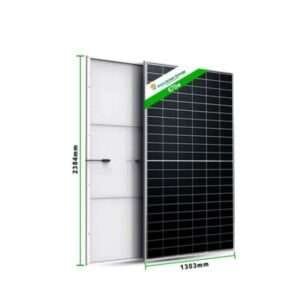 670W MONO PERC HALFCUT SOLAR PANEL
₹26,999.00Original price was: ₹26,999.00.₹23,999.00Current price is: ₹23,999.00. -
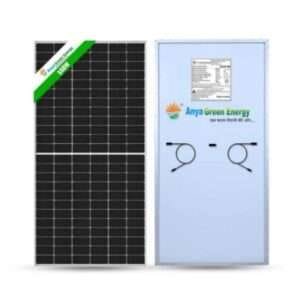 550W MONO PERC HALFCUT SOLAR MODULE
₹22,999.00Original price was: ₹22,999.00.₹19,999.00Current price is: ₹19,999.00. -
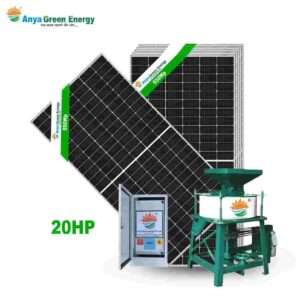 20HP Atta Chakki with Mone Perc Half cut 550W Panel
₹1,200,000.00Original price was: ₹1,200,000.00.₹1,060,000.00Current price is: ₹1,060,000.00. -
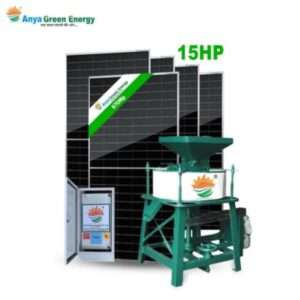 15HP Atta Chakki with Mone Perc Half cut 670W Panel
₹900,000.00Original price was: ₹900,000.00.₹850,000.00Current price is: ₹850,000.00. -
 10HP Atta Chakki with Mone Perc Half cut 550W Panel
₹650,000.00Original price was: ₹650,000.00.₹590,000.00Current price is: ₹590,000.00.