Window Solar Panels: The Ultimate Guide to Transparent Clean Energy
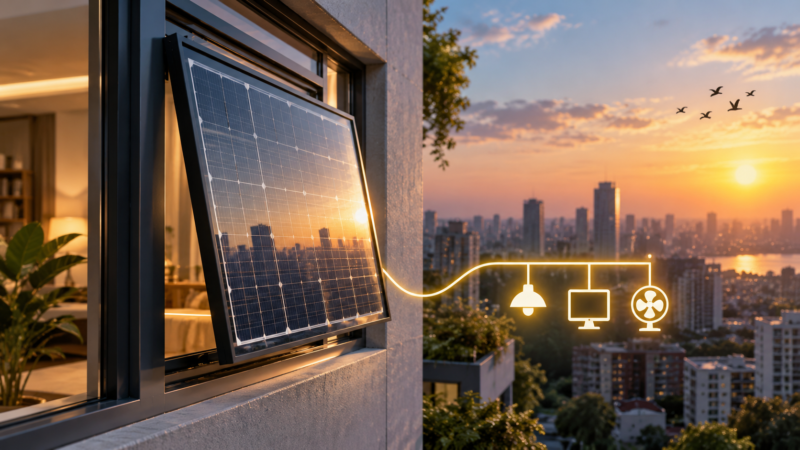
Urban centers are dense, vertical, and dominated by glass. While traditional rooftop installations have carried the residential clean energy transition for decades, high-rise architecture presents a spatial challenge: immense facade surface area paired with limited roof space. Window solar panels solve this challenge directly by transforming standard glass surfaces into functional, power-generating assets.
Driven by advances in materials science, these solar windows capture unseen wavelengths of light while keeping views clear. This guide explores how window solar panels operate, their efficiency profile, installation economics, and their role in modern architecture.
What Are Window Solar Panels?
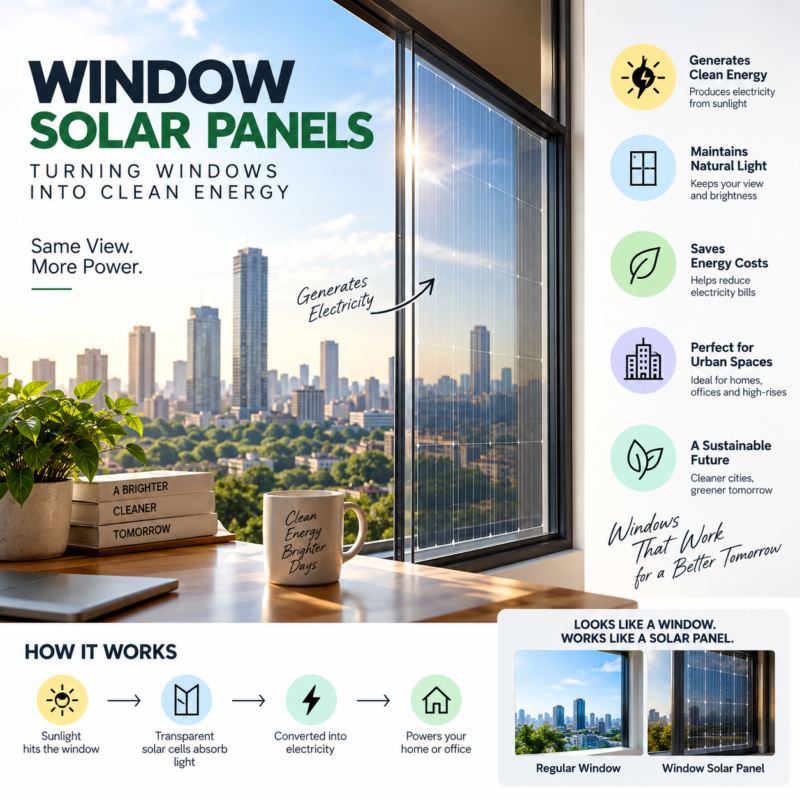
Window solar panels are specialized optical modules designed to generate electricity while allowing visible light to pass through. Unlike standard silicon modules—which are completely opaque to absorb as much of the visible spectrum as possible—transparent solar glass relies on selective wavelength absorptionBy prioritizing transparent solar technology, these panels funnel invisible light (ultraviolet and infrared spectrums) to the edges of the pane or across microscopic internal conductive layers. This process converts radiant energy into usable electricity without darkening the room or distorting the view.
How Transparent Solar Technology Works
The core breakthrough behind window solar panels lies in transparent solar technology. Traditional photovoltaics use silicon to absorb broad-spectrum visible light. In contrast, solar glass uses specialized chemical formulations and physical structures to selectively handle light frequencies.
Transparent Luminescent Solar Concentrators (TLSCs): These organic salts absorb invisible non-visible light wavelengths (UV and near-infrared). The material luminesces this energy to the edge of the glass, where thin photovoltaic strips harvest it.
Organic Photovoltaics (OPVs): Thin-film carbon-based compounds that can be tuned to absorb infrared spectrums while remaining clear to the human eye.
Perovskite Semiconductor Films: Extremely thin layers of perovskite crystals that balance light transmission with electrical generation, accelerating the global clean energy transition.
Micro-patterned Conductive Coatings: Microscopic silver nanowires or indium tin oxide layers collect generated current without obstructing line-of-sight vision.
Key Categories of Window Solar Panels
Technology VariantVisual TransparencyEfficiency RangePrimary Best-Use CaseFully Transparent Solar GlassHigh (70%–90% light pass)1% – 5%Display windows, residential view panes, mobile screensSemi-Transparent Solar ModulesMedium (20%–50% light pass)7% – 12%Commercial curtain walls, skylights, sunroomsDye-Sensitized Solar WindowsTinted (Custom colors/shades)6% – 10%Architectural accents, decorative facades, green shadingThin-Film BIPV GlassSemi-Opaque / Patterned8% – 14%
Comparing Solar Glass Efficiency vs. Standard Panels
A common point of confusion is comparing solar glass efficiency directly against conventional rooftop silicon modules. Because window solar panels deliberately allow visible light—which carries a large portion of solar radiation—to pass through uncollected, their absolute efficiency is lower by design.
Standard Silicon Roof Modules: 20% – 23% efficiency.
Semi-Transparent BIPV Windows: 7% – 12% efficiency.
Fully Clear Solar Panes: 1% – 5% efficiency.
Despite lower percentage yields per square foot, building-integrated photovoltaics compensate through scale. A 50-story commercial skyscraper features exponentially more vertical window surface area than roof area. Capturing clean power across thousands of square meters of glass yields significant cumulative energy, accelerating urban carbon reduction goals.
Architectural Integration: Building-Integrated Photovoltaics (BIPV)
Integrating power generation directly into structural materials defines the field of building-integrated photovoltaics. Window solar panels represent one of the most versatile categories within BIPV, turning static building envelopes into active power generators.
Primary Architectural Applications
Commercial Curtain Walls: Replacing standard tinted glass with window solar panels turns high-rise office towers into vertical power plants.
Skylights and Atriums: Overhead glass installations capture high-angle daylight while reducing interior glare and thermal buildup.
Agricultural Greenhouses: Specially tuned transparent solar technology filters out destructive UV light, absorbs excess heat, and generates power while letting crop-growing wavelengths pass through safely.
Residential Sunrooms & Patio Doors: Homeowners can generate power on south-facing glass installations without installing bulky roof arrays.
Economic Considerations and Lifecycle Analysis
Adopting window solar panels requires analyzing both energy yield and dual-function material savings
Financial Breakout
Upfront Premium: Premium transparent glass with integrated solar layers currently carries a higher upfront cost per square foot than traditional structural glass.
Offsetting Construction Costs: Because building-integrated photovoltaics replace standard exterior cladding materials, developers save on the base cost of traditional architectural glass.
HVAC Energy Reduction: By selectively filtering out infrared radiation (heat), window solar panels cut interior solar heat gain dramatically. This reduces air conditioning loads during peak summer periods, driving down energy bills beyond direct watt production.
Accelerating the Clean Energy Transition: As local municipalities tighten building performance standards and carbon emission penalties, integrated clean energy generation protects properties from non-compliance fines.
Advantages and Technological Challenges
Key Advantages
Unlocking Vertical Real Estate: Urban centers lack open ground space, but possess vast glass surfaces.
Aesthetic Preservation: Provides renewable energy generation without visible roof racks or metallic grids.
Optimized Passive Cooling: Natural infrared filtering keeps building interiors cooler under direct sunlight.
Current Challenges
Efficiency Trade-offs: Balancing visual clarity with optimal solar glass efficiency remains a delicate engineering challenge.
Thermal Management: Panels exposed to high heat can experience modest power drops if ventilation behind the pane is restricted.
Electrical Integration: Routing wiring cleanly through operable window frames requires specialized framing systems.
Implementation Steps for BIPV Window Integration
Installing window solar panels in commercial or residential properties requires coordinating architectural, structural, and electrical designs.
1.Solar Resource and Glazing Audit:Evaluating orientation, shading, and visual clarity demands.
Assess vertical facade angles, regional solar irradiance, and interior daylight requirements. Determine whether fully transparent glass or semi-transparent modules fit each elevation best.
2.Selecting the BIPV Specification:Matching target performance with architectural design.
Choose between TLSC, OPV, or perovskite-silicon glass based on target solar glass efficiency, light transmission needs, and budgetary targets.
3.Frame and Electrical Raceway Design:Concealing wiring within structural glazing channels.
Specify window mullions with embedded conduit channels. Ensure electrical connections from each pane run smoothly to localized micro-inverters or central energy storage systems.
4.Glazing Installation & Grid Connection:Installing panels with certified BIPV specialists.
Mount double- or triple-glazed units using standard curtain wall techniques. Complete low-voltage DC wiring, connect system inverters, and integrate with building management systems.
Future Outlook: The Next Era of Smart Glass
The evolution of transparent solar technology points toward dynamic smart windows. Emerging systems combine electrochromic glass—which tints automatically based on sun exposure—with window solar panels. This allows glass to actively manage glare, optimize thermal performance, and maximize electrical generation in real time.
As scaling production reduces cost premiums, building-integrated photovoltaics will transition from specialized modern architecture to a standard building material requirement. Every window pane in future cities could act as a decentralized power source, driving forward the global clean energy transition.

Trusted by 50000+ Customers
Anya Green Energy is a leading solar company and Solar Energy service provider established in 2013. We are recognized by startup India and customer best choice award 2022.
Our Achievements :
Recognized by Startup India.
Purvanchal’s first solar company to operate exclusively with solar products.
Certified by well-known institutions such as MSME, IndiaMart, and Just Dial and many more.
Winner of the Best Customer Choice Award 2022.
Over 50,000 happy customers across India.
Products
-
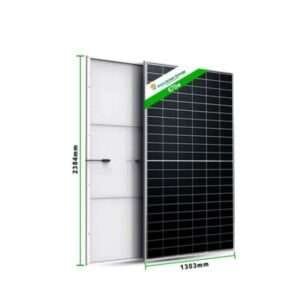 670W MONO PERC HALFCUT SOLAR PANEL
₹26,999.00Original price was: ₹26,999.00.₹23,999.00Current price is: ₹23,999.00. -
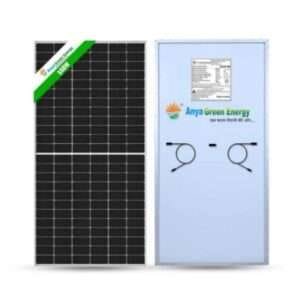 550W MONO PERC HALFCUT SOLAR MODULE
₹22,999.00Original price was: ₹22,999.00.₹19,999.00Current price is: ₹19,999.00. -
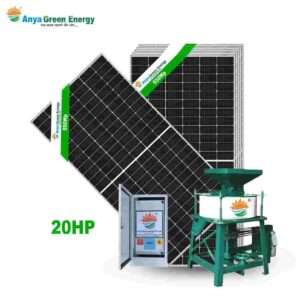 20HP Atta Chakki with Mone Perc Half cut 550W Panel
₹1,200,000.00Original price was: ₹1,200,000.00.₹1,060,000.00Current price is: ₹1,060,000.00. -
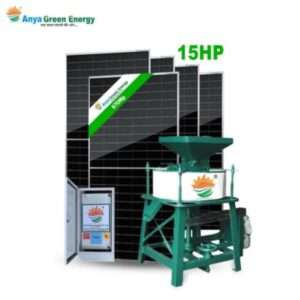 15HP Atta Chakki with Mone Perc Half cut 670W Panel
₹900,000.00Original price was: ₹900,000.00.₹850,000.00Current price is: ₹850,000.00. -
 10HP Atta Chakki with Mone Perc Half cut 550W Panel
₹650,000.00Original price was: ₹650,000.00.₹590,000.00Current price is: ₹590,000.00.