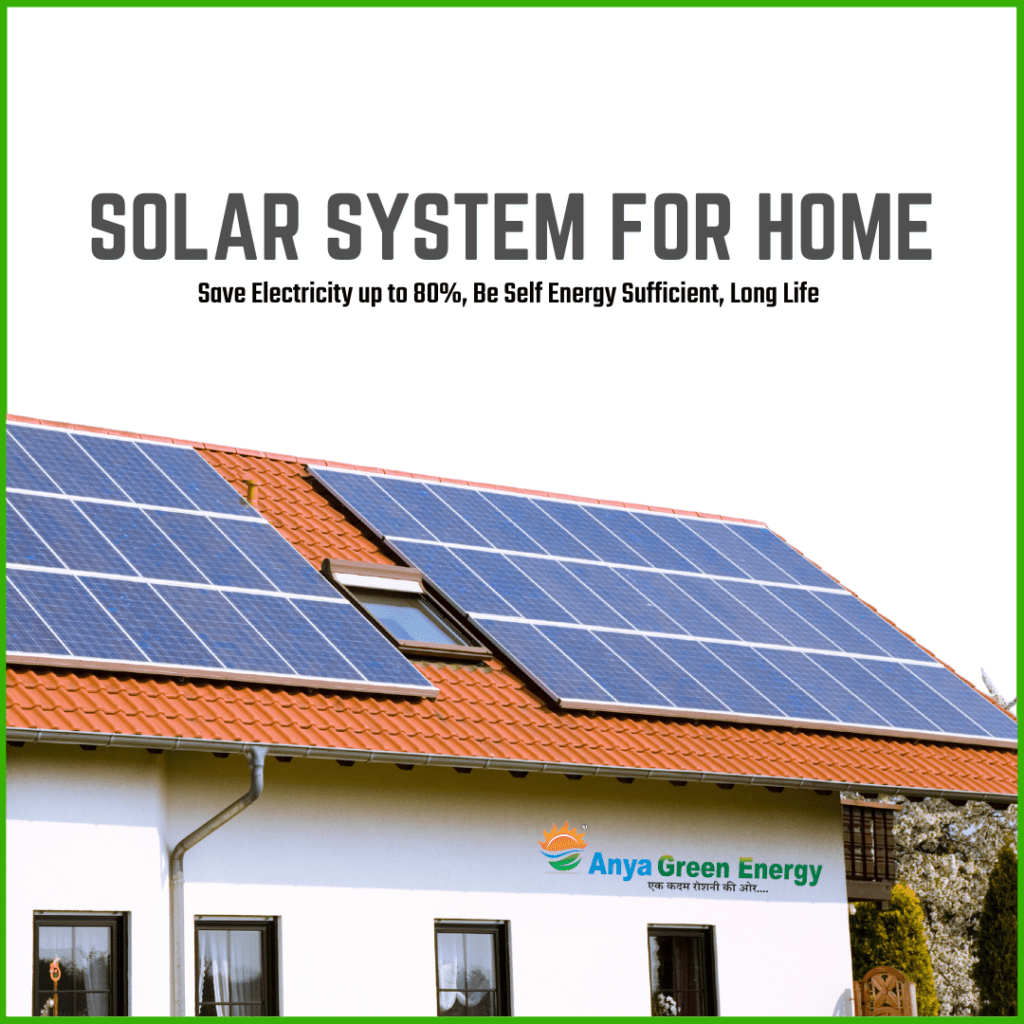
How to Become a Solar Installer After ITI or Diploma: The Complete 2026 Roadmap

If you’ve just finished an ITI or a diploma in electrical or electronics, you’re closer to a solar career than you might think. Becoming a solar installer after ITI is one of the most direct, low-cost paths into India’s renewable energy sector — no engineering degree required, and in many cases, no additional years of study either. With India targeting 500 GW of renewable energy capacity by 2030, employers are actively specialising electricians and technicians into solar-specific roles, and the earning potential jumps meaningfully once you do.
This guide walks through the exact roadmap to becoming a solar installer after ITI or diploma completion — which trade to pursue, what additional certification actually helps, what the job looks like day to day, and what you can realistically expect to earn as you move from a fresh graduate to an experienced professional.
Why ITI and Diploma Holders Are Well-Positioned for Solar
An electrician-to-solar career move is increasingly common: solar panel installation and maintenance is now consistently listed as one of the top specialisations for electricians, driven directly by India’s renewable energy targets. Each specialisation, including solar, can increase earning potential by 20 to 50% or more compared to general electrical work — meaning the ITI or diploma you’ve already completed isn’t a detour from a solar career, it’s the standard entry point into one.
The reason employers favour ITI and diploma backgrounds specifically is straightforward: the path to becoming a solar installer after ITI builds directly on core electrical skills — wiring, circuit safety, load calculation — that ITI and diploma programmes already teach. Becoming a solar installer after ITI is less about learning an entirely new trade and more about specialising an existing one.
Path 1: The Dedicated ITI Solar Technician Course
If you haven’t started ITI yet, or are choosing your trade, DGT (Directorate General of Training) now offers a dedicated ITI Solar Technician course under the Craftsman Training Scheme, formally called the Solar Technician (Electrical) trade:
- Eligibility — passed 10th class with Science and Mathematics, or equivalent, from a recognised board.
- Duration — a 1-year programme covering 1,600 training hours, split between Trade Theory, Trade Practical, and core skills like workshop calculation and engineering drawing.
- Job roles on completion — graduates of the ITI Solar Technician course are qualified for roles including Solar Panel Installation Technician, Solar PV System Installation Engineer (entry-level), Solar PV System Maintenance Technician, and Module Assembly Technician.
This is the most direct path to becoming a solar installer after ITI if you’re planning your trade selection with solar specifically in mind, since the curriculum is purpose-built rather than adapted from a general electrical syllabus.
Path 2: General ITI Electrician Trade Plus Solar Specialisation
If you’ve already completed (or are completing) the standard ITI Electrician trade rather than the dedicated solar trade, becoming a solar installer after ITI still works — it just requires an additional specialisation step:
- The standard ITI Electrician course takes 2 years, followed by an optional but recommended 1-year apprenticeship, meaning a fully qualified electrician-to-solar career transition takes 2 to 3 years after 10th standard before specialising.
- From there, a short-term solar-specific course — through NISE’s Suryamitra programme, SCGJ certification, or a recognised private academy — adds the specific skills (panel mounting, inverter wiring, net metering basics) needed to complete the transition into becoming a solar installer after ITI.
- Short-term courses under PMKVY (Pradhan Mantri Kaushal Vikas Yojana) offer an even faster route to basic electrician and solar-adjacent skills in 3 to 6 months, useful if you want to test the field before committing to longer training.
Path 3: Diploma Holders Moving Into Solar
If you hold a diploma in Electrical or Electrical and Electronics Engineering, or a dedicated diploma in solar energy, rather than an ITI certificate, you’re positioned for a step higher on the career ladder from day one:
- Diploma holders pursuing this path typically qualify directly for Solar PV System Installation Engineer roles on larger, commercial-scale projects, rather than starting purely as an installation technician.
- Several private training providers offer scholarships specifically for ITI and diploma holders, along with group enrollment discounts, recognising that this group already has the technical foundation the courses build on.
- A diploma in solar energy or general electrical engineering also positions you well for the next step up — pursuing a full Degree in Electrical or Electrical and Electronics Engineering later, if you want to move from installation and maintenance work into system design and engineering roles.
What Additional Certification Is Worth Getting
Beyond your ITI or diploma, a few specific credentials meaningfully strengthen your position once you’re working as a solar installer after ITI:
- MNRE-recognised certification — through NISE’s Suryamitra programme or SCGJ, this remains the most widely recognised public credential in India and is often a prerequisite for government-linked project work.
- NABCEP or other internationally recognised certification — worth pursuing if you’re aiming for higher-paying roles or eventual work abroad, since these credentials are recognised well beyond India.
- Practical, hands-on training specifically — courses that include real installation practice (not just online theory) consistently produce more job-ready candidates ready to work as a solar installer after ITI; providers report meaningfully better interview outcomes for candidates who’ve installed even one real system during training.
Solar Installer Salary India: Career Growth Data
The solar installer salary India trajectory from fresher to experienced professional is one of the more compelling aspects of this path:
- Entry-level electricians without solar specialisation typically start between ₹12,000–18,000 per month, with government positions offering ₹18,000–25,000.
- Entry-level solar installer salary India figures after ITI or diploma training commonly fall in the ₹2.5–4.5 LPA range, reflecting the wage premium solar specialisation adds over general electrical work.
- Mid-level solar installer salary India figures typically reach ₹4.5–8 LPA, particularly for those who’ve taken on site supervision or team-lead responsibilities.
- At the senior end, Site Supervisor, Solar Project Manager, or Utility Solar Technician roles can reach ₹8–20+ LPA, especially for professionals with 3–7 years of experience and additional skills in system design, load calculation, and grid connectivity.
- For someone becoming a solar installer after ITI, the typical career ladder runs Junior Installer → Solar Technician → Senior Technician → Site Supervisor → Solar Project Manager or Renewable Energy Consultant, with each step reachable within a documented, realistic timeframe rather than requiring decades of experience.
Beyond Installation: Where This Career Path Can Lead
Becoming a solar installer after ITI doesn’t have to mean staying in that exact role indefinitely. Documented progression paths for anyone who has become a solar installer after ITI include:
- Module Assembly Technician roles — joining solar manufacturing companies for panel production work involving framing, junction box fixing, and soldering.
- Crafts Instructor Training Scheme (CITS) — after gaining industry experience, ITI Solar Technician graduates can become certified ITI instructors themselves, training the next generation.
- Further education — pursuing a Diploma or Degree in Electrical Engineering from an AICTE-recognised institution to qualify for larger-scale Solar PV System Installation Engineer roles.
- Entrepreneurship — completing an electrician-to-solar career shift into self-employment, offering installation, maintenance, and commissioning services directly to residential, commercial, and agricultural customers; some professionals have started solar installation businesses with as little as ₹2 lakh in initial investment.
- Site leadership — leading installation teams, managing project timelines, coordinating with clients, and ensuring compliance with safety and electrical standards as a Site Supervisor.
The Real Challenges to Plan For
- Certification quality varies — not every private course carries equal weight with employers when you’re becoming a solar installer after ITI, so checking whether a programme is government-affiliated (NISE, SCGJ) or a private credential matters before enrolling.
- Physical, field-based work — becoming a solar installer after ITI means rooftop and site installation involving heights, weather exposure, and manual labour, which isn’t suited to everyone regardless of technical skill.
- Additional cost beyond ITI/diploma — while ITI and diploma programmes are often low-cost or government-subsidised, add-on solar certification courses typically carry separate fees, though scholarships for ITI/diploma holders are increasingly available.
- Employer expectations around practical experience — theoretical knowledge alone often isn’t enough; candidates with hands-on installation experience during training consistently report better interview and placement outcomes.
- Regional variation in opportunity — solar hiring activity concentrates around states with strong rooftop and utility-scale deployment, so location can affect how quickly you find your first role.
How to Get Started Right Now
- Confirm your existing qualification — the ITI Solar Technician course, a general ITI Electrician trade, or a diploma in Electrical/Electronics Engineering each opens a slightly different starting point.
- Choose a solar-specific certification on your path to becoming a solar installer after ITI — NISE’s Suryamitra programme for the most widely recognised public credential, or a private academy if you need a faster, more flexible schedule.
- Prioritise hands-on practical training — look specifically for courses that include real installation practice, not just classroom or online theory.
- Apply for entry-level installer or technician roles as a solar installer after ITI — target solar EPC companies, dealer networks, and manufacturers actively hiring ITI and diploma graduates.
- Plan your next 3–7 years beyond becoming a solar installer after ITI — decide early whether you’re aiming for site supervision, project management, further engineering education, or eventually starting your own installation business.
Final Thoughts: A Realistic, Well-Paying Path Without a Full Engineering Degree
For anyone who has just completed ITI or a diploma and is wondering what comes next, this route offers one of the more concrete, well-documented career paths available — a specific trade to learn, clear certification options, a realistic salary progression, and multiple ways to grow beyond entry-level installation work. With India’s renewable energy targets driving sustained hiring and specialisation adding 20-50% to typical electrical wages, an electrician-to-solar career shift rewards focus and hands-on skill-building far more than it demands additional years in a classroom.

Trusted by 50000+ Customers
Anya Green Energy is a leading solar company and Solar Energy service provider established in 2013. We are recognized by startup India and customer best choice award 2022.
Our Achievements :
Recognized by Startup India.
Purvanchal’s first solar company to operate exclusively with solar products.
Certified by well-known institutions such as MSME, IndiaMart, and Just Dial and many more.
Winner of the Best Customer Choice Award 2022.
Over 50,000 happy customers across India.
Products
-
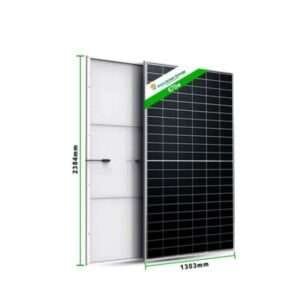 670W MONO PERC HALFCUT SOLAR PANEL
₹26,999.00Original price was: ₹26,999.00.₹23,999.00Current price is: ₹23,999.00. -
 550W MONO PERC HALFCUT SOLAR MODULE
₹22,999.00Original price was: ₹22,999.00.₹19,999.00Current price is: ₹19,999.00. -
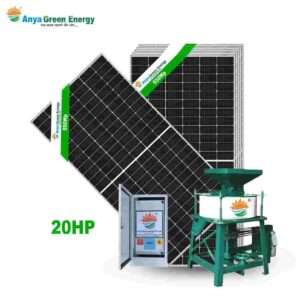 20HP Atta Chakki with Mone Perc Half cut 550W Panel
₹1,200,000.00Original price was: ₹1,200,000.00.₹1,060,000.00Current price is: ₹1,060,000.00. -
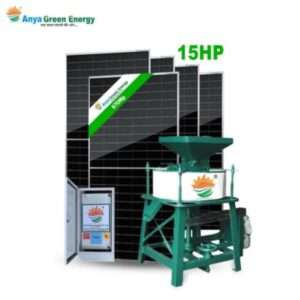 15HP Atta Chakki with Mone Perc Half cut 670W Panel
₹900,000.00Original price was: ₹900,000.00.₹850,000.00Current price is: ₹850,000.00. -
 10HP Atta Chakki with Mone Perc Half cut 550W Panel
₹650,000.00Original price was: ₹650,000.00.₹590,000.00Current price is: ₹590,000.00.