The Complete Renewable Energy System Guide: Optimization and Savings
Investing in a modern renewable energy system represents one of the most effective ways to lower utility overhead, secure energy independence, and mitigate long-term carbon emissions. As green technology accelerates worldwide, property managers, commercial investors, and homeowners are actively replacing legacy energy models with on-site clean generation.
Understanding how generation, inversion, storage, and intelligent load control work together is critical to building a high-yield installation that delivers maximum return for decades.
1. Accelerating Clean Energy Adoption Across Sectors
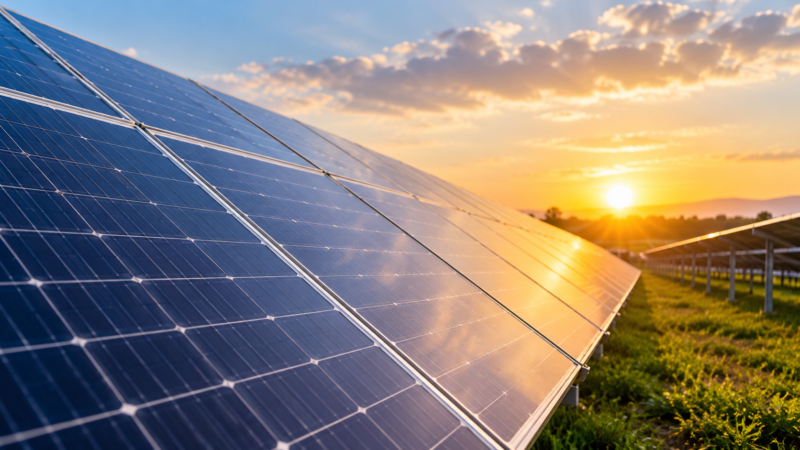
Rapid clean energy adoption allows homeowners and businesses to bypass volatile fossil fuel price spikes while securing clean power directly on-site. Decentralized micro-generation transforms passive electricity consumers into active energy producers.Building an efficient renewable energy system requires understanding how generation assets interact with storage systems. Rather than relying on a single resource, modern systems integrate wind, solar, and battery storage to create uninterrupted, round-the-clock power.
2. Driving the Sustainable Power Transition
Achieving a seamless sustainable power transition requires balancing generation capacity with real-time electrical demand. Transitioning away from fossil fuels involves more than placing panels on a roof; it requires smart load management, correct inverter matching, and high-efficiency wiring.
Every residential and commercial renewable energy system relies on continuous monitoring to prevent output loss. Without tracking software, subtle hardware errors or line losses can go unnoticed for months, reducing overall system performance.
3. Designing a Hybrid Generation Infrastructure
Relying on a single power source leaves property owners vulnerable to seasonal weather shifts. A hybrid renewable energy system combines solar, wind, and battery storage to eliminate output drops across winter months or rainy cycles. HYBRID ENERGY SYSTEM
                                  │
         ┌────────────────────────┼────────────────────────┐
         ▼                        ▼                        ▼
  Photovoltaic Array       Small Wind Turbine       Lithium Storage
 (Peak Summer Power)      (Peak Winter Power)      (24/7 Energy Buffer)
Government incentives continue to drive widespread clean energy adoption in urban markets, making multi-source hybrid installations accessible to commercial and residential sites alike.
4. Hardware Sizing and Engineering Precision
Proper sizing of a renewable energy system ensures that daily power generation aligns with load requirements without overspending on unused generation capacity.Long-term success during a sustainable power transition depends on choosing high-efficiency hardware that maintains operational stability under severe weather and heavy electrical loads.
5. Unlocking Green Energy Cost Savings
Direct utility bill reductions generate significant green energy cost savings over a 25-year lifespan. Upgrading your renewable energy system with smart inverters protects your hardware during voltage surges while maximizing net metering revenue.
6. Enhancing Renewable Grid Efficiency
Smart grid integration optimizes renewable grid efficiency by balancing distributed voltage levels across neighborhood distribution lines. Maintaining a renewable energy system involves routine panel cleaning, connection checks, and regular inverter firmware updates.Lowering maintenance overhead protects your green energy cost savings year after year while safeguarding high-voltage electrical hardware.
7. Storage Integration and Demand Response
Lorem ipsum dolor sit amet, consectetur adipiscing elit. Ut elit tellus, luctus nec ullamcorper mattis, pulvinar dapibus leo.Adding battery storage allows systems to capture excess daytime power and deploy it when grid power prices surge.Peak-shaving strategies amplify total green energy cost savings during high-rate electricity hours, while battery energy storage supports overall renewable grid efficiency by absorbing excess generation. Meanwhile, community initiatives make clean energy adoption accessible without requiring high upfront hardware purchases.

8. Longevity and Grid Interconnection
A well-engineered renewable energy system operates at peak performance for up to 30 years with simple routine maintenance. Utilities actively support the sustainable power transition through net metering and grid interconnections, allowing site owners to send excess electricity back to the grid for account credits.
9. Future Trends in Smart Microgrids
Digital management platforms elevate overall renewable grid efficiency through automated load distribution and machine learning generation forecasts. Modern edge controllers balance battery storage, rooftop solar, and electric vehicle charging seamlessly in real time.
10. Ultimate Optimization Checklist
Follow these key steps to get the best performance from your clean energy setup:
[ ] Audit your renewable energy system annually to confirm component health and peak efficiency.
[ ] Pioneer clean energy adoption by expanding storage capacity over time.
[ ] Accelerate your sustainable power transition by phasing out fossil-fuel backups.
[ ] Track daily performance to guarantee maximum green energy cost savings.
[ ] Implement smart controls to increase localized renewable grid efficiency
Conclusion
Optimizing a modern renewable energy system is an investment that yields substantial financial and environmental dividends for decades. By taking a holistic approach—integrating high-efficiency generation assets, smart hybrid inverters, and long-lasting storage solutions—property owners can reliably insulate themselves against volatile utility rate hikes and unpredictable power grid outages. Beyond individual utility bill reductions, every optimized installation plays a crucial role in accelerating broader clean energy adoption and driving the global sustainable power transition forward. Routine upkeep, proactive performance monitoring, and strategic battery load management ensure your equipment operates at peak performance, maximizing your total green energy cost savings year after year while simultaneously improving overall renewable grid efficiency.
Trusted by 50000+ Customers
Anya Green Energy is a leading solar company and Solar Energy service provider established in 2013. We are recognized by startup India and customer best choice award 2022.
Our Achievements :
Recognized by Startup India.
Purvanchal’s first solar company to operate exclusively with solar products.
Certified by well-known institutions such as MSME, IndiaMart, and Just Dial and many more.
Winner of the Best Customer Choice Award 2022.
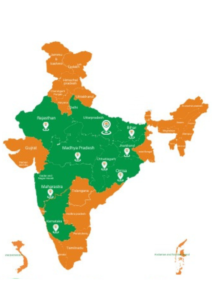
Over 50,000 happy customers across India.