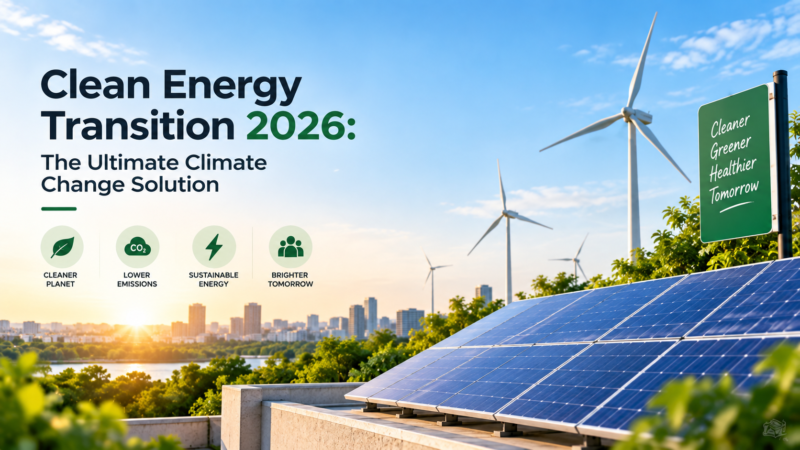
Clean Energy Transition 2026: The Ultimate Climate Change Solution
Climate change is no longer a distant threat reserved for future generations; it is an active global crisis reshaping weather patterns, ecosystems, and economic stability. As extreme weather events become more frequent, driving strong global warming awareness across every sector of society, the search for scalable answers has intensified. Among all available strategies, accelerating the clean energy transition stands out as the single most effective climate change solution. Replacing fossil fuels with sustainable power sources enables humanity to decarbonize the power grid, reduce greenhouse gas emissions, and secure a resilient future. Understanding the full range of renewable energy benefits is essential for building public support and inspiring long-term action
The Urgent Need for Global Warming Awareness
The scientific consensus is undeniable: human activities—primarily the burning of coal, oil, and gas—have raised atmospheric carbon dioxide levels to unprecedented highs. Raising global warming awareness is crucial because public understanding drives political willpower, consumer choices, and corporate accountability. Every fraction of a degree in temperature rise exacerbates sea-level shifts, prolonged droughts, and biodiversity loss.
To halt this progression, we must overhaul our core infrastructure. Energy production accounts for roughly two-thirds of global greenhouse emissions. Consequently, an aggressive clean energy transition is not merely an optional strategy; it is the cornerstone of environmental survival. When communities grasp the connection between fossil fuel reliance and extreme weather, support for sustainable power sources grows rapidly. Increasing public insight creates a strong foundation for actionable policy changes and technology investment.
Key Pillars of the Clean Energy Transition
Achieving a zero-carbon grid requires diversifying energy generation. The clean energy transition relies on several key technologies:
+---------------------+--------------------------------------------------+
| TECHNOLOGY          | CORE CONTRIBUTION TO DECARBONIZATION             |
+---------------------+--------------------------------------------------+
| Solar Photovoltaics | Rapidly scalable, low-cost daylight generation.  |
+---------------------+--------------------------------------------------+
| Onshore/Offshore    | High-capacity power generation during non-peak   |
| Wind                | solar hours.                                     |
+---------------------+--------------------------------------------------+
| Advanced Hydroelectric | Reliable, continuous baseline power generation. |
+---------------------+--------------------------------------------------+
| Battery Storage     | Grid stabilization and load-shifting capacity.   |
| (BESS)              |                                                  |
+---------------------+--------------------------------------------------+
Solar Photovoltaic (PV) Systems: Solar panels capture sunlight and convert it directly into electricity without producing air pollutants or carbon emissions. Rapid efficiency improvements have made solar one of the most cost-effective sustainable power sources available today.
Wind Energy Infrastructure: Harnessing wind through onshore and offshore turbines offers massive generating capacity, particularly during off-peak daylight hours. Integrating wind into local grids showcases clear renewable energy benefits, including reduced water usage compared to thermal power plants.
Next-Generation Energy Storage: Because solar and wind generation depend on environmental conditions, advanced battery systems stabilize energy supply. Storage enables a continuous clean energy transition by preserving surplus power generated during peak times for deployment during heavy usage periods.
Quantifying the Primary Renewable Energy Benefits
Shifting away from fossil fuels yields major economic, social, and environmental advantages. Highlighting these renewable energy benefits demonstrates that environmental stewardship also delivers tangible economic value.
                     PRIMARY ADVANTAGES OF CLEAN POWER

       Economic Growth           Public Health          Grid Security
       ───────────────          ───────────────        ───────────────
       • Local job creation     • Lower air pollution  • Diversified supply
       • Price stability        • Fewer respiratory    • Reduced import
       • Lower maintenance        illnesses              dependence
Drastic Carbon Reduction: The primary advantage of green technology is its capacity to serve as a long-term climate change solution. By replacing coal and gas plants with zero-emission generation, countries can lower their overall carbon footprints.
Economic Resilience and Job Growth: Building, operating, and maintaining clean installations creates local jobs in manufacturing, engineering, and construction. Expanding sustainable power sources insulates economies from volatile fossil fuel markets and geopolitical supply disruptions.
Public Health Improvements: Burning fossil fuels releases fine particulate matter ($PM_{2.5}$), sulfur dioxide, and nitrogen oxides, causing widespread respiratory and cardiovascular issues. Phasing out thermal plants delivers immediate public health gains, showing how expanding global warming awareness directly improves quality of life.
Overcoming Challenges in Grid Integration
While the advantages are clear, transitioning to green power presents technical and structural obstacles. Addressing these challenges directly helps build credibility with informed readers and industry experts.
Intermittency and Grid Stability
Solar and wind power outputs vary based on weather and time of day. Modern grid management addresses this variability through smart software, predictive AI forecasting, and distributed grid architectures. Strengthening grid resilience ensures that sustainable power sources can meet baseload demand reliably.
Capital Investment and Infrastructure Upgrade
Replacing centralized power plants requires substantial upfront capital for transmission lines, charging hubs, and sub-stations. However, long-term operational savings and avoided climate damages offset these initial costs. Viewing this shift as a primary climate change solution helps governments justify initial capital investments.
How Sustainable Power Sources Protect Communities
Beyond cutting emissions, local green power installations safeguard vulnerable communities against severe weather shocks. Distributed solar microgrids, for instance, maintain electricity for critical medical, communication, and water infrastructure during natural disasters when centralized grids fail.ntegrating local generation reinforces the clean energy transition as a practical community defense mechanism. When local governments invest in decentralized solar and battery capacity, they build energy independence. Demonstrating these localized renewable energy benefits transforms abstract global climate targets into concrete, everyday security for residents.
Individual Action: Fostering Global Warming Awareness
While policy changes and industrial adaptations are essential, individual choices remain vital to driving change. A well-rounded climate change solution blends systemic action with grassroots community engagement.
Switching to Green Energy Plans: In deregulated utility markets, consumers can select providers that generate power exclusively from sustainable power sources.
Improving Household Efficiency: Upgrading to smart thermostats, heat pumps, and LED lighting lowers baseline demand, easing pressure on the broader grid during peak hours.
Promoting Environmental Literacy: Sharing verified data, hosting local workshops, and participating in public discussions builds global warming awareness across local communities
The Path Forward for the Clean Energy Transition
The coming decade will determine whether humanity can successfully limit global temperature increases to safe levels. Sustaining a rapid clean energy transition requires sustained investment, supportive regulatory policies, and active international cooperation.
By expanding global warming awareness, society can build broad support for clean energy policies and infrastructural investments. Transitioning away from fossil fuels is not just an environmental obligation—it is an economic opportunity to build a cleaner, safer, and more resilient world. Emphasizing the practical renewable energy benefits helps communities move past debate and focus on building a sustainable power grid


Trusted by 50000+ Customers
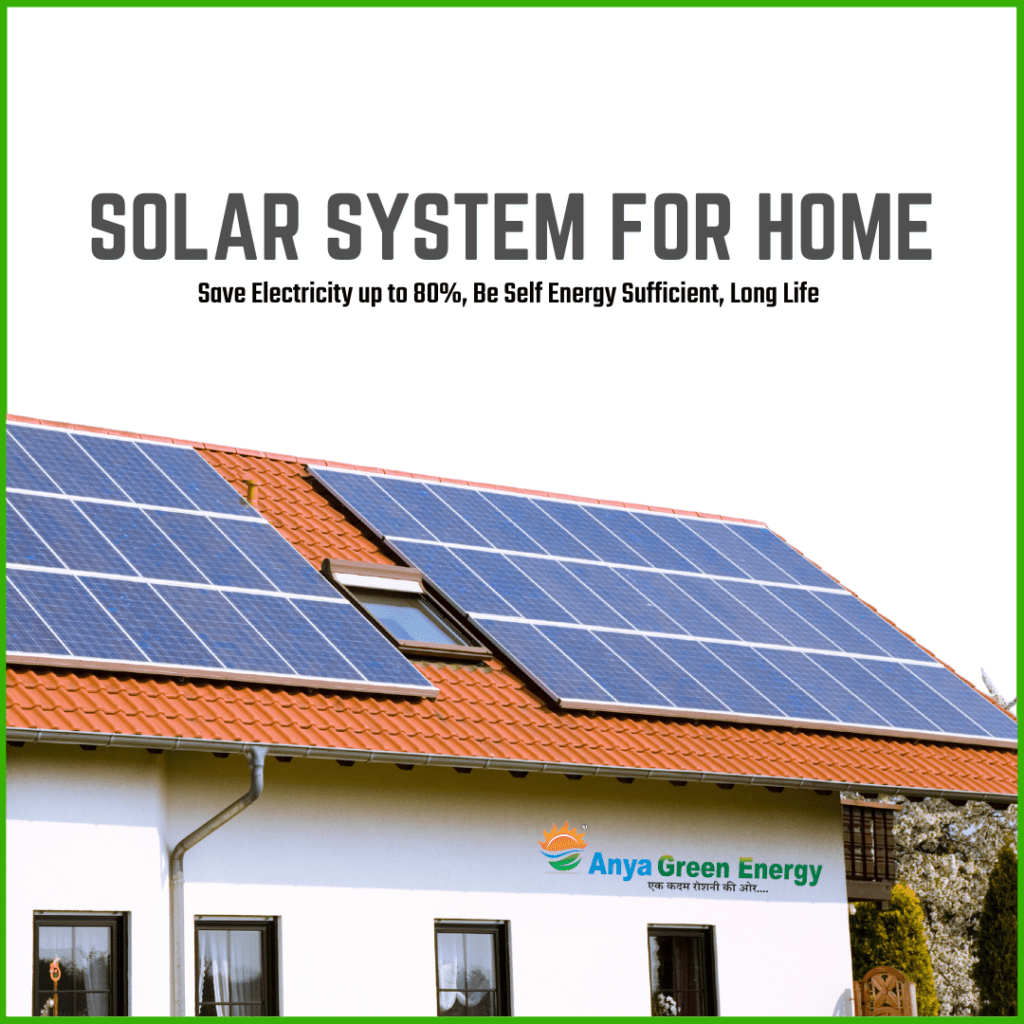
Anya Green Energy is a leading solar company and Solar Energy service provider established in 2013. We are recognized by startup India and customer best choice award 2022.
Our Achievements :
Recognized by Startup India.
Purvanchal’s first solar company to operate exclusively with solar products.
Certified by well-known institutions such as MSME, IndiaMart, and Just Dial and many more.
Winner of the Best Customer Choice Award 2022.
Over 50,000 happy customers across India.
Products
-
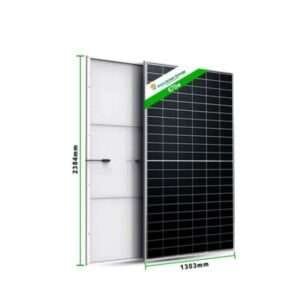 670W MONO PERC HALFCUT SOLAR PANEL
₹26,999.00Original price was: ₹26,999.00.₹23,999.00Current price is: ₹23,999.00. -
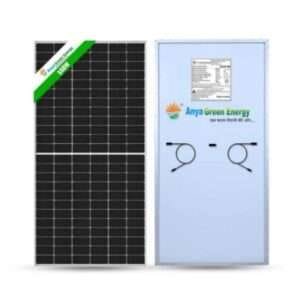 550W MONO PERC HALFCUT SOLAR MODULE
₹22,999.00Original price was: ₹22,999.00.₹19,999.00Current price is: ₹19,999.00. -
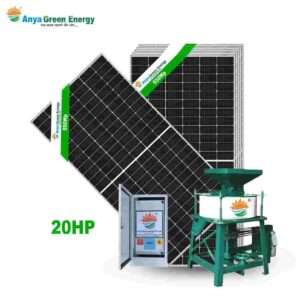 20HP Atta Chakki with Mone Perc Half cut 550W Panel
₹1,200,000.00Original price was: ₹1,200,000.00.₹1,060,000.00Current price is: ₹1,060,000.00. -
 15HP Atta Chakki with Mone Perc Half cut 670W Panel
₹900,000.00Original price was: ₹900,000.00.₹850,000.00Current price is: ₹850,000.00. -
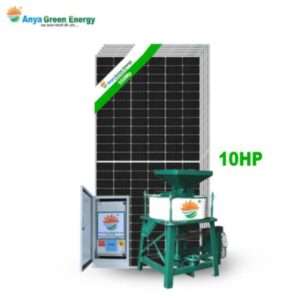 10HP Atta Chakki with Mone Perc Half cut 550W Panel
₹650,000.00Original price was: ₹650,000.00.₹590,000.00Current price is: ₹590,000.00.