Enhanced Geothermal Systems: Unlocking Geothermal Power Anywhere on Earth
For decades, geothermal energy was geographically limited to a handful of fortunate locations — places like Iceland, parts of the western United States, and regions sitting near natural hot springs or volcanic activity. Enhanced geothermal systems are changing that fundamentally, using engineering rather than geographic luck to create geothermal power potential almost anywhere on the planet.
This blog explains what enhanced geothermal systems actually are, how advances in geothermal energy technology are making this possible, the role of EGS drilling technology in reaching previously inaccessible heat resources, how this translates into reliable geothermal power generation, and why many analysts consider this next generation geothermal approach one of the most promising clean, firm power sources of the coming decade.
What Are Enhanced Geothermal Systems?
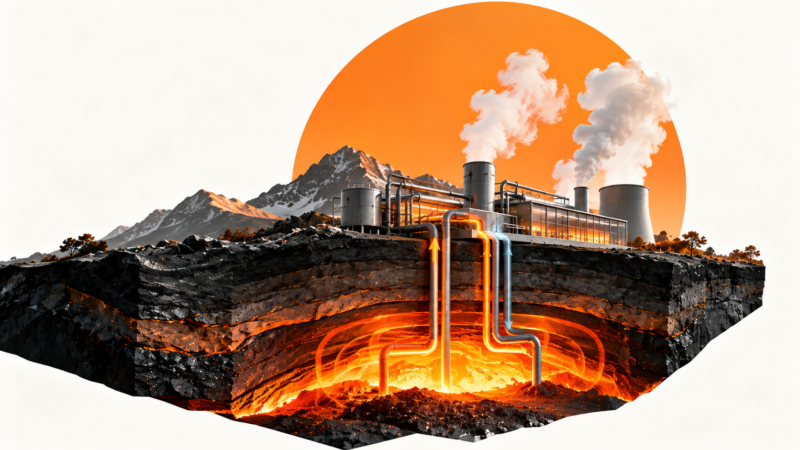
Enhanced geothermal systems, often abbreviated as EGS, are engineered geothermal reservoirs created in hot rock formations that lack the natural permeability or fluid needed for conventional geothermal power generation. Traditional geothermal plants rely on naturally occurring combinations of heat, water, and permeable rock — a rare geological coincidence. Enhanced geothermal systems instead create that combination artificially, by drilling into hot rock and engineering fractures that allow water to circulate, absorb heat, and return to the surface as steam or hot fluid to generate electricity.
This distinction matters enormously for scale. While conventional geothermal is confined to specific geological hotspots, enhanced geothermal systems can theoretically be deployed almost anywhere with sufficiently hot rock at accessible drilling depths — which describes a much larger share of the Earth’s surface than most people realize.
How Geothermal Energy Technology Has Evolved
Geothermal energy technology has advanced considerably over the past two decades, borrowing heavily from techniques originally developed in the oil and gas industry. Hydraulic fracturing methods, directional drilling, and advanced subsurface imaging — all refined through decades of fossil fuel extraction — have been adapted and repurposed to make enhanced geothermal systems commercially viable rather than purely experimental.
This cross-industry technology transfer is one of the more underappreciated stories in clean energy. Geothermal energy technology today benefits from drilling expertise, materials science, and subsurface characterization tools that simply didn’t exist when early geothermal concepts were first proposed decades ago, which explains why enhanced geothermal systems have moved from theoretical promise to pilot deployment only in recent years.
Ready to switch to Solar?
Solar solutions with Anya Green Energy and discover how you can reduce your electricity bills.
Contact UsEGS Drilling Technology: Reaching Deeper, Hotter Rock
At the core of any enhanced geothermal systems project is EGS drilling technology capable of reaching the depths — often several kilometers underground — where rock temperatures are hot enough to generate useful power. Drilling this deep, into extremely hard and hot rock formations, presents significant engineering challenges that differ from conventional oil and gas drilling.
Advances in EGS drilling technology, including improved drill bit materials that withstand extreme heat, better thermally resistant drilling fluids, and more precise directional drilling capabilities, have steadily reduced both the cost and risk of reaching these deep geothermal resources. Some next-generation EGS drilling technology approaches are even exploring entirely new drilling methods, such as millimeter-wave or plasma-based drilling, aiming to cut through hard rock faster and more efficiently than mechanical drill bits alone.
From Engineered Reservoirs to Geothermal Power Generation
Once an enhanced geothermal systems reservoir is successfully created, the process of geothermal power generation follows familiar principles: water is circulated through the engineered fractures, absorbs heat from the surrounding rock, and returns to the surface as steam or superheated fluid, which drives a turbine to generate electricity.
What makes geothermal power generation through enhanced geothermal systems particularly valuable is its reliability. Unlike solar and wind, which depend on weather and time of day, geothermal power generation from an enhanced geothermal systems reservoir operates continuously, providing what energy planners call “firm” or baseload-equivalent power — a quality that makes it an attractive complement to variable renewable sources rather than a competitor to them.
Next Generation Geothermal: Why This Decade Matters
The term next generation geothermal captures a broader shift happening across the sector, extending beyond enhanced geothermal systems to include related innovations like closed-loop geothermal systems and advanced geothermal heat pumps. What unites these next generation geothermal approaches is a shared goal: decoupling geothermal energy from the narrow geographic constraints that limited it for most of the 20th century.
Government funding initiatives in several countries, including dedicated cost-reduction programs for enhanced geothermal systems, reflect growing confidence that next generation geothermal technology can achieve cost parity with other clean energy sources within this decade. If that trajectory holds, enhanced geothermal systems could become one of the more significant additions to the clean firm power mix alongside long duration energy storage and green hydrogen.
Why Enhanced Geothermal Systems Matter for the Energy Transition
The broader clean energy transition has largely been built around solar and wind, both of which are variable by nature. Enhanced geothermal systems offer something different: a clean, firm, always-available power source that doesn’t depend on weather conditions or time of day. This makes enhanced geothermal systems a particularly valuable complement to grids increasingly dominated by intermittent renewable generation.
Because enhanced geothermal systems can theoretically be sited much more flexibly than conventional geothermal plants, they also offer energy security advantages — reducing dependence on specific geographic resources or long-distance transmission infrastructure, since geothermal power generation can potentially be developed closer to where electricity is actually needed.
Comparing Enhanced Geothermal Systems to Other Clean Energy Sources
| Factor | Solar/Wind | Conventional Geothermal | Enhanced Geothermal Systems |
|---|---|---|---|
| Availability | Variable (weather-dependent) | Continuous | Continuous |
| Geographic Flexibility | High | Very limited (specific hotspots) | Much broader |
| Current Maturity | Highly mature | Mature but niche | Emerging/early commercial |
| Land Footprint | Larger (for equivalent output) | Small | Small |
| Capital Cost Today | Low and falling | Moderate | Higher, falling with scale |
This comparison highlights why enhanced geothermal systems are generating so much interest: they combine the small footprint and reliability advantages of conventional geothermal with the geographic flexibility that solar and wind already enjoy.
Challenges Facing Enhanced Geothermal Systems
Despite genuine promise, enhanced geothermal systems face real hurdles before reaching widespread commercial deployment. Drilling costs remain the single largest barrier, since reaching sufficient depth and temperature requires EGS drilling technology that is still more expensive than conventional shallow drilling. Induced seismicity — small earthquakes potentially triggered by the fracturing process used to create geothermal reservoirs — has also drawn regulatory and public attention in certain pilot projects, requiring careful site selection and monitoring.
Scaling geothermal energy technology from successful pilot projects to widespread commercial deployment will also require sustained investment and supportive policy, similar to the trajectory solar and wind followed over the past two decades. These are substantial but not insurmountable challenges, and progress on each front has been steady rather than stalled.
India's Geothermal Potential
India has historically had limited conventional geothermal development, lacking the volcanic hotspots found in places like Iceland or parts of the United States. However, enhanced geothermal systems change this equation, since the technology doesn’t depend on naturally occurring geothermal reservoirs. Several regions in India, including parts of the Himalayan geothermal belt and certain sedimentary basins, have been identified as having geothermal potential that next generation geothermal technology could eventually unlock, offering a complementary firm power source alongside the country’s rapidly growing solar and wind capacity.
Expert Perspective
As one geothermal energy researcher put it in a recent industry discussion, paraphrased here: enhanced geothermal systems represent the moment geothermal energy stops being a geological accident and starts being an engineering decision, and that shift from “where nature put the heat” to “where we choose to drill for it” is what finally gives geothermal a path to meaningful global scale.
Conclusion
Enhanced geothermal systems represent one of the most promising, if still underappreciated, frontiers in the clean energy transition. By using advanced geothermal energy technology and increasingly capable EGS drilling technology to engineer geothermal reservoirs almost anywhere, this approach removes the geographic limitations that confined conventional geothermal power generation for most of the past century. As next generation geothermal technology continues to mature and costs fall with scale, enhanced geothermal systems are well positioned to become an important source of clean, reliable, firm power — complementing solar and wind rather than competing with them, and offering a genuinely global pathway to geothermal energy that didn’t exist a generation ago
FAQs
Q1: How are enhanced geothermal systems different from conventional geothermal plants?
A: Conventional geothermal relies on naturally occurring heat, water, and permeable rock in specific locations, while enhanced geothermal systems engineer that combination artificially by drilling into hot rock and creating fractures for water circulation.
Q2: Can enhanced geothermal systems be built anywhere?
A: Theoretically in many more locations than conventional geothermal, since the technology doesn’t depend on rare natural geological conditions — though sufficiently hot rock at accessible drilling depths is still required.
Q3: What is the biggest challenge facing EGS drilling technology today?
A: Cost remains the primary barrier, since reaching the necessary depth and temperature requires more advanced and expensive drilling than conventional shallow drilling operations.
Q4: Is geothermal power generation from enhanced geothermal systems reliable?
A: Yes — unlike solar and wind, geothermal power generation operates continuously regardless of weather or time of day, making it a valuable source of firm, baseload-equivalent clean power.
Q5: Does India have potential for enhanced geothermal systems?
A: Yes — while India lacks major volcanic hotspots for conventional geothermal, regions like the Himalayan geothermal belt show potential for next generation geothermal technology to unlock additional clean firm power capacity.
Trusted by 50000+ Customers
Anya Green Energy is a leading solar company and Solar Energy service provider established in 2013. We are recognized by startup India and customer best choice award 2022.
Our Achievements :
Recognized by Startup India.
Purvanchal’s first solar company to operate exclusively with solar products.
Certified by well-known institutions such as MSME, IndiaMart, and Just Dial and many more.
Winner of the Best Customer Choice Award 2022.
Over 50,000 happy customers across India.