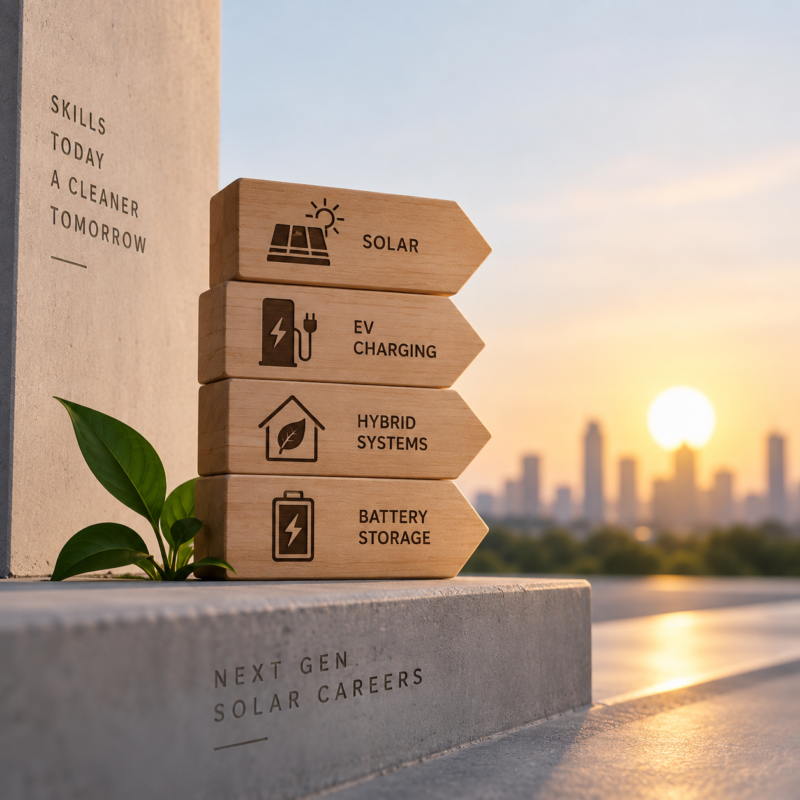
Next-Gen Solar Careers: Why EV Charging, Battery Storage, and Hybrid Systems Are Where the Jobs Are Heading
Solar used to mean panels and inverters. In 2026, it increasingly means a solar farm that also charges electric buses overnight, a battery system storing that day’s excess generation for the evening peak, and a hybrid plant blending solar with wind or diesel backup to guarantee round-the-clock power. This convergence is creating a genuinely new category of employment often called next-gen solar careers, and the numbers back it up: charging infrastructure roles in India are projected to grow 400% and battery recycling roles 400% as well, making these among the fastest-expanding job categories in the entire clean energy sector.
If you’re already in solar and wondering where the next wave of opportunity is heading, or you’re a student trying to pick a specialisation with real staying power, this guide breaks down the three fastest-growing next-gen solar careers — EV charging, battery storage, and hybrid systems — using current 2025–2026 hiring and market data.
Why These Three Fields Are Converging
Solar, EV charging, and battery storage are increasingly treated as one connected ecosystem rather than separate industries. Battery systems, power electronics, and grid integration skills transfer directly between solar and EV work, and many engineers already move between the two sectors without starting over. Industry analysts describe 2026 as the year clean-energy employment stopped being just about building more solar farms and turned toward building the factories, batteries, grids, and technical workforce needed to run an increasingly electrified economy — which is exactly why this new wave of next-gen solar careers spans far more than panel installation
Field 1: EV Charging Infrastructure Jobs
As of August 2025, India had installed 29,277 public EV charging stations nationwide, backed by a ₹2,000 crore allocation under the PM E-DRIVE Scheme specifically to expand charging infrastructure. That build-out is creating a wide range of EV charging infrastructure jobs across both field and backend functions:
- Site electrical engineers — handling load assessment, transformer sizing, earthing, and regulatory approvals for new charging locations
- Charger commissioning engineers — installing, configuring, testing, and documenting new charging points
- O&M engineers and technicians — managing uptime, preventive maintenance, spare parts, and service-level agreements
- Backend and firmware engineers — building charging management systems, payment integration, roaming networks, and charger controller software
Solar-powered EV charging mandates specifically are creating strong demand for EVSE installation technicians and grid-tied charging infrastructure engineers across both Tier-1 and Tier-2 cities, since combining solar generation with charging infrastructure requires exactly the hybrid skill set that next-gen solar careers are short on.
Field 2: Battery Storage Careers
Battery energy storage systems (BESS) co-located with solar farms are one of the fastest-growing niches in renewable energy, and the scale of investment behind battery storage careers is substantial:
- India’s battery manufacturing capacity stands near 60 GWh currently and is expected to approach 100 GWh by the end of 2026, setting up deeper value-chain development beyond simple cell assembly.
- The battery sector is projected to contribute 50–60% of India’s projected green manufacturing jobs by 2030, with the wider EV and storage ecosystem potentially generating 30–40 million jobs.
- India’s broader battery boom is expected to create roughly 2 million jobs by 2030 as factories, recycling operations, and EV demand reshape the workforce.
- Specialised battery engineers are already commanding salary premiums of 35–40% over conventional manufacturing roles, reflecting how scarce this skill set remains relative to demand.
- BESS projects paired with solar farms specifically require battery systems engineers and a grid integration engineer, roles that combine electrochemistry knowledge with power systems expertise
Field 3: Hybrid Solar Systems
Within the broader landscape of hybrid solar systems — combining solar with wind, battery storage, diesel backup, or grid-tied configurations — are becoming the default design approach for new renewable energy projects rather than a niche option, and hybrid solar systems design is quickly becoming a distinct specialisation of its own. This shift is driving demand for professionals who understand more than one energy technology at once:
- An electrical engineer who understands batteries, a wind technician trained in predictive analytics, or a software professional familiar with grid operations is now considered particularly valuable, since this category requires exactly this kind of cross-technology fluency.
- A grid integration engineer sits at the centre of this design work, since blending multiple generation and storage sources into one stable output requires careful coordination that pure single-technology engineers aren’t typically trained for.
- As solar and wind projects increasingly co-locate with storage to smooth output and meet round-the-clock supply commitments, this expertise is shifting from a specialised add-on to a baseline expectation for senior renewable energy engineering roles.
Next-Gen Solar Careers by the Numbers: The 2025–2026 Hiring Picture
Pulling the data together, the growth trajectory across these three fields is among the strongest in the entire clean energy sector:
- Among all EV-adjacent job categories in India, AI and digital mobility roles are projected to grow 700%, battery recycling 400%, charging infrastructure 400%, and EV service diagnostics 380% between now and 2030 — some of the fastest growth rates recorded across any Indian employment category.
- IISE’s Solar Job Market Report 2026 explicitly names EV charging technicians and grid integration engineer roles as being in high demand across both Tier-1 and Tier-2 cities, alongside battery systems engineers for BESS-solar co-located projects.
- Candidates with a recognised diploma or postgraduate diploma in solar energy are consistently offered 20–35% higher starting salaries than self-taught applicants entering these next-gen solar careers.
- EV hiring in India is no longer limited to traditional automotive companies — charging point operators, utilities, grid-tech startups, battery recycling firms, and mobility platforms are all actively recruiting for the same overlapping skill set that powers next-gen solar careers.
- Four realistic venture paths have emerged for entrepreneurs in this space: battery pack, motor, or controller supply to OEMs; operating public or fleet charging stations (described as having the lowest technical barrier to entry); component manufacturing (higher margin, more capital-intensive); and hybrid system integration for commercial and industrial clients.
Why These Careers Offer Genuine Long-Term Staying Power
1. Structural Convergence, Not a Passing Trend Because solar, storage, and EV charging increasingly function as one interconnected system, skills built in any one of these next-gen solar careers tend to remain relevant even as the specific technology mix shifts over time.
2. Extreme Growth Rates Relative to Traditional Roles Growth projections of 380–700% for EV-adjacent categories dwarf typical job growth figures in almost any other sector, reflecting how early-stage — and how much runway — this hiring wave still has.
3. Salary Premiums for Scarce, Specialised Skills With battery engineers already earning 35–40% more than conventional manufacturing roles, and solar-diploma holders earning 20–35% more than self-taught candidates, specialised training in these fields translates directly into measurably better compensation.
4. Multiple Entry Points by Background Electrical, mechanical, and chemical engineers, software and firmware developers, and even entrepreneurially-minded operators without deep technical backgrounds (particularly in charging station operation) all have realistic paths into this space.
5. Direct Transferability Across Solar and EV Sectors Because power electronics, battery systems, and grid integration knowledge apply equally to solar and EV work, professionals in next-gen solar careers aren’t locked into a single industry — they can move fluidly as demand shifts between sectors.
The Real Challenges to Know About
- Rapid technology change — with innovations like solid-state batteries and quantum-enabled simulation platforms already shaping policy discussions, skills can age faster in these fields than in more established renewable energy roles.
- Fragmented skilling ecosystem — because this convergence between solar, storage, and EV charging is relatively new, structured training pathways are still catching up to the pace of hiring demand.
- Capital intensity for entrepreneurs — while charging station operation has a comparatively low barrier to entry, component manufacturing and hybrid system integration require significantly more capital and technical depth.
- Regional infrastructure gaps — grid integration and charging infrastructure work depends heavily on local utility readiness, meaning opportunities remain concentrated in states and cities with more mature electricity infrastructure.
- Competition for scarce specialised talent — the same salary premiums that make these next-gen solar careers attractive also reflect genuinely difficult-to-fill roles, meaning employers are selective and often prioritise demonstrated project experience over credentials alone.
How to Break Into Next-Gen Solar Careers
- Choose an engineering branch aligned to your target niche — electrical and power electronics for grid integration and charging infrastructure, chemical or materials engineering for battery development, and mechanical or automotive engineering for hybrid system integration.
- Build a visible, demonstrable project — a battery pack characterisation study, a small charging controller build, or a simple hybrid system simulation gives hiring managers concrete evidence of applied skill, which is often weighted more heavily than credentials alone.
- Pursue targeted certifications or diplomas — recognised solar, battery, and EV-focused diploma programmes consistently correlate with meaningfully higher starting salaries in current market data.
- Look beyond traditional automotive and solar employers — charging point operators, grid-tech startups, battery recycling firms, and utilities are all now active recruiters for the same overlapping skill set.
- Consider lateral entry from adjacent industries — professionals from automotive, electronics, or oil-and-gas backgrounds are increasingly viewed as viable lateral hires into battery storage careers and grid integration roles
What's Next for Next-Gen Solar Careers: Trends to Watch
- Continued acceleration in charging infrastructure buildout — as PM E-DRIVE funding rolls out further, expect sustained hiring across site engineering, commissioning, and O&M roles tied to EV charging infrastructure jobs.
- Battery manufacturing scaling toward 100 GWh — as India’s battery capacity approaches this milestone by end-2026, expect deeper value-chain job creation beyond assembly, into cell chemistry and materials roles.
- Grid integration becoming a standalone specialisation — as blended generation-and-storage projects become the default design rather than an exception, expect dedicated grid integration engineer roles to multiply across new renewable energy tenders.
- Quantum and AI-enabled simulation roles emerging — early but real demand is forming for quantum mobility engineers and simulation researchers working on battery chemistry optimisation, projected to reach roughly 5,000 niche roles by 2030.
- Deeper cross-sector mobility — expect continued blurring between what counts as a “solar” job versus an “EV” job, as next-gen solar careers increasingly require fluency across both domains simultaneously.
Final Thoughts: Positioning Yourself for Where Solar Careers Are Heading
The direction of travel is unmistakable: the highest growth rates, the strongest salary premiums, and the most active hiring in the broader clean energy space right now sit at the intersection of solar, EV charging, and battery storage — not within any one of these fields in isolation. For students choosing a specialisation or professionals already in solar looking for their next move, next-gen solar careers spanning EV charging infrastructure jobs, battery storage careers, and hybrid solar systems design offer some of the clearest growth trajectories available anywhere in the renewable energy sector today.
Building genuinely cross-technology fluency — understanding batteries, grid integration, and charging systems together, not just one in isolation — is quickly becoming the defining skill separating the most in-demand professionals in next-gen solar careers from everyone else entering this space.
FAQs
What qualifications are needed for EV charging infrastructure jobs? Most roles require electrical engineering fundamentals, with site engineers needing load assessment and transformer sizing knowledge, while backend and firmware roles need software and embedded systems skills instead.
Are battery storage careers well paid compared to traditional engineering roles? Yes — specialised battery engineers are already earning salary premiums of 35–40% over conventional manufacturing roles, reflecting a significant scarcity of skilled talent in this field.
Do hybrid solar systems require different skills than standalone solar projects? Yes — they require grid integration expertise and cross-technology fluency across solar, storage, and sometimes wind, rather than the single-technology focus needed for standalone solar installations.
Can someone from a traditional solar background move into next-gen solar careers? Yes — power electronics, battery systems, and grid integration engineer skills transfer directly between solar and EV-adjacent work, and many engineers move between these next-gen solar careers without starting over.

Trusted by 50000+ Customers
Anya Green Energy is a leading solar company and Solar Energy service provider established in 2013. We are recognized by startup India and customer best choice award 2022.
Our Achievements :
Recognized by Startup India.
Purvanchal’s first solar company to operate exclusively with solar products.
Certified by well-known institutions such as MSME, IndiaMart, and Just Dial and many more.
Winner of the Best Customer Choice Award 2022.
Over 50,000 happy customers across India.
Products
-
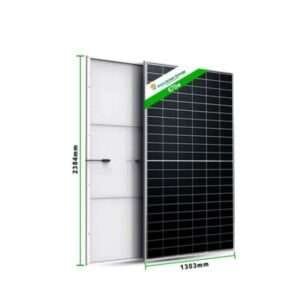 670W MONO PERC HALFCUT SOLAR PANEL
₹26,999.00Original price was: ₹26,999.00.₹23,999.00Current price is: ₹23,999.00. -
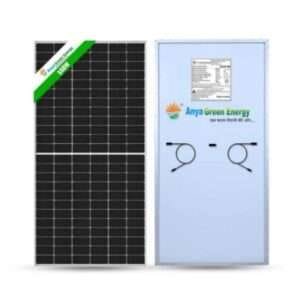 550W MONO PERC HALFCUT SOLAR MODULE
₹22,999.00Original price was: ₹22,999.00.₹19,999.00Current price is: ₹19,999.00. -
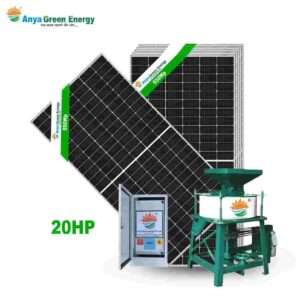 20HP Atta Chakki with Mone Perc Half cut 550W Panel
₹1,200,000.00Original price was: ₹1,200,000.00.₹1,060,000.00Current price is: ₹1,060,000.00. -
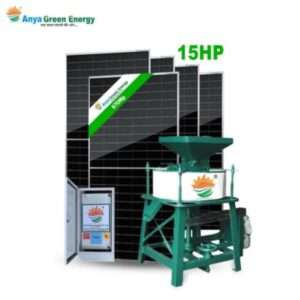 15HP Atta Chakki with Mone Perc Half cut 670W Panel
₹900,000.00Original price was: ₹900,000.00.₹850,000.00Current price is: ₹850,000.00. -
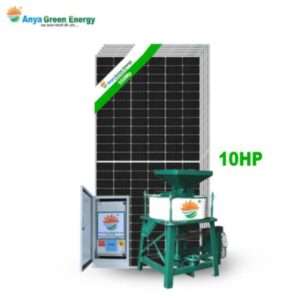 10HP Atta Chakki with Mone Perc Half cut 550W Panel
₹650,000.00Original price was: ₹650,000.00.₹590,000.00Current price is: ₹590,000.00.