Solar and Thermal Thirst in Water Stressed India: Decarbonizing Energy Without Draining Water Resources

India faces two intertwined challenges that will define its industrial and economic development over the coming decades: meeting rapidly growing electricity demand and managing severe water scarcity.
While thermal power generation has historically formed the backbone of the national electricity grid, coal-fired power plants require massive volumes of freshwater for cooling, boiler feed, and ash handling.
This high water consumption creates an acute conflict known as thermal thirst in water stressed India, where energy generation competes directly with agriculture, drinking water supplies, and ecosystem health in dry regions.
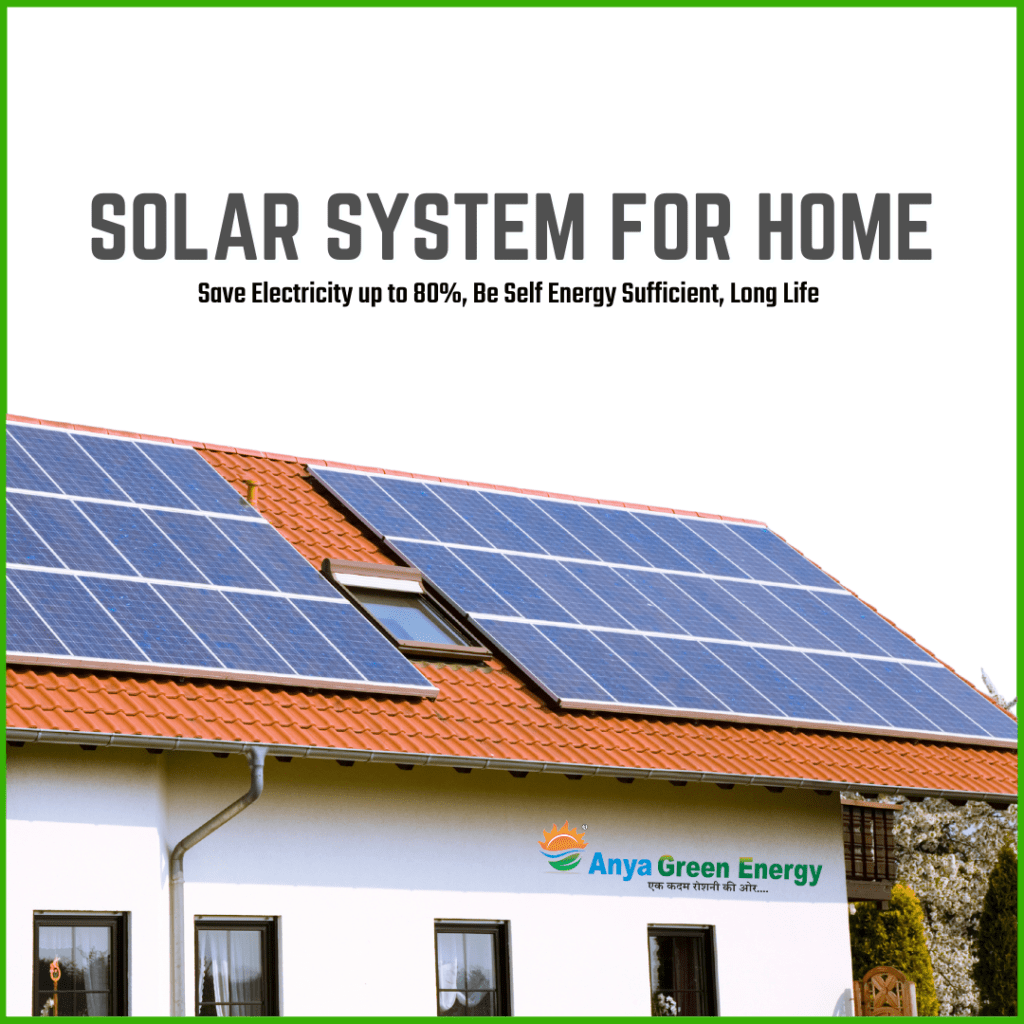
Transitioning to solar power offers a transformative solution. Replacing water-intensive thermal generation with solar arrays significantly reduces industrial water consumption, creating a cleaner and more water-resilient energy matrix for the country.
Understanding the relationship between solar energy and water conservation is vital for policymakers, industrial energy buyers, and utility planners evaluating India’s clean energy transition.
Thermal Thirst in Water Stressed India: The Hidden Impact of Coal Power
Coal-fired power generation is among the most water-intensive industrial activities in the world. Thermal power plants pull millions of liters of freshwater daily from rivers, reservoirs, and groundwater tables to operate their cooling towers and steam cycles.
In drought-prone states like Maharashtra, Karnataka, Rajasthan, and Tamil Nadu, thermal thirst in water stressed India has repeatedly forced power plants to shut down during dry summer months when cooling water sources run completely dry.
These forced shutdowns create severe power deficits during peak demand periods, demonstrating that thermal thirst in water stressed India isn’t just an environmental concern — it is an operational risk for grid reliability.
Furthermore, discharging high-temperature cooling water back into rivers and lakes causes thermal pollution, harming aquatic life and degrading water quality for downstream farming communities.
As one environmental water resource analyst noted during an industrial sustainability summit, “we cannot build a secure power grid on top of an exhausted water table — coal power’s thermal thirst in water stressed India makes energy security and water security opposing forces.”
Solar Energy as a Low-Water Power Generation Alternative
Photovoltaic solar generation represents a fundamental shift in how power plants interact with natural water resources. Unlike thermal power plants, solar panels convert sunlight directly into electricity through the photovoltaic effect, requiring zero water for energy conversion.
While solar power plants do require periodic cleaning to remove dust, soil, and agricultural residue from module surfaces, their operational water footprint is negligible compared to fossil-fuel-based thermal generation.
Data from energy research institutions indicates that coal power plants consume between 3,500 and 4,000 liters of water per megawatt-hour generated, whereas photovoltaic solar plants require less than 20 to 50 liters per megawatt-hour, primarily for surface cleaning.
Shifting generation capacity toward solar energy directly relieves the severe pressure created by thermal thirst in water stressed India, preserving vital surface water and groundwater reserves for surrounding communities.
Ready to switch to Solar?
Solar solutions with Anya Green Energy and discover how you can reduce your electricity bills.
Contact UsStrategic Co-Benefits: Floating Solar and Canal-Top Projects
To maximize water conservation benefits, Indian clean energy developers have pioneered innovative deployment models that address both land constraints and water evaporation losses.
Floating solar systems, installed on the surface of reservoirs, lakes, and industrial water bodies, perform a dual environmental function:
- Evaporation suppression — shading water bodies with solar panels reduces surface water evaporation by up to 60 to 70 percent, preserving millions of liters of freshwater in drought-prone regions.
- Efficiency enhancement — the cooling effect of the underlying water body lowers solar panel operating temperatures, boosting module conversion efficiency and energy output.
Canal-top solar installations, such as those pioneered along irrigation canals in Gujarat and Punjab, deliver similar benefits by generating clean power directly over water distribution channels without occupying agricultural land.
Quick Comparison: Water Consumption Across Energy Technologies
| Generation Source | Operational Water Use (Liters / MWh) | Primary Water Function | Impact on Local Water Tables |
|---|---|---|---|
| Coal Thermal Power | 3,500 – 4,000 | Cooling towers, steam boilers, ash handling | High depletion & thermal pollution |
| Nuclear Power | 2,500 – 3,500 | Steam condensation, reactor cooling | High localized thermal impact |
| Gas Turbine | 700 – 1,000 | Cooling and steam cycle | Moderate depletion |
| Photovoltaic Solar | 20 – 50 | Module surface washing only | Negligible footprint |
Water-Efficient Maintenance: Robotic and Dry Cleaning Innovations
Although solar power consumes drastically less water than coal, maintaining clean module surfaces in arid, dust-heavy Indian regions remains an operational priority for plant managers.
Accumulated dust, known as soiling, can reduce solar panel performance by 10 to 30 percent if left uncleaned.
To prevent solar maintenance from straining local water supplies in dry regions, utility-scale developers and commercial asset owners are deploying advanced waterless cleaning technologies:
- Robotic dry-cleaning systems — automated micro-fiber brushes travel across panel rows nightly, removing dust and soiling without using a single drop of water.
- Anti-soiling hydrophobic coatings — specialized nanotech coatings applied to module glass prevent dust particles from adhering, reducing required washing frequency.
- Optimized cleaning schedules — intelligent weather-linked monitoring systems schedule washing cycles only when soiling metrics drop below cost-effective thresholds.
These waterless cleaning innovations ensure that expanding solar capacity actively combats thermal thirst in water stressed India without introducing secondary water demands in fragile rural ecosystem
Policy Frameworks Linking Energy Planning and Water Security
Recognizing the deep connection between power generation and water security, Indian policymakers are revising regulatory frameworks to favor low-water clean energy technologies.
Environmental regulations issued by the Ministry of Environment, Forest and Climate Change have established stricter water consumption limits for existing thermal power plants, forcing inefficient coal units to either install dry-cooling infrastructure or face mandatory retirement.
Simultaneously, state governments in water-stressed regions are prioritizing solar projects, floating solar tenders, and hybrid renewable installations in their long-term energy procurement plans.
By aligning renewable energy targets with national water conservation mandates, India is establishing a policy model where energy expansion actively supports climate resilience and resource security.
Action Plan for Industrial and Commercial Energy Buyers
For commercial facilities, industrial manufacturing plants, and corporate buyers seeking to align their energy procurement with water stewardship goals, following a structured transition roadmap is essential:
- Audit scope-3 water impact — evaluate the embedded water footprint of your current grid electricity supply, identifying coal-heavy power dependencies.
- Transition to rooftop and open-access solar — replace water-intensive grid electricity with on-site rooftop solar or off-site open-access solar power.
- Specify waterless module cleaning — mandate robotic dry cleaning or hydrophobic glass coatings in corporate solar procurement contracts.
- Evaluate floating solar for industrial ponds — utilize raw water storage ponds or effluent treatment reservoirs for floating solar installations.
- Report water saved metrics — incorporate water savings achieved through solar adoption into annual corporate ESG and sustainability reports.
Where Anya Green Energy Stands
At Anya Green Energy, we deliver bankable rooftop, ground-mounted, and commercial solar energy solutions that help Indian businesses transition away from fossil-fuel-heavy grid electricity.
We recognize that adopting solar energy is as much about water conservation and climate resilience as it is about lowering electricity bills.
By helping corporate clients, industrial units, and commercial facilities replace water-intensive thermal power with clean solar energy, we directly contribute to alleviating thermal thirst in water stressed India.
Our engineering team incorporates water-efficient maintenance strategies and high-efficiency module technologies to ensure that every solar installation maximizes both financial return and environmental stewardship.
Frequently Asked Questions
Q1: How does thermal power generation contribute to water stress in India?
A1: Coal-fired thermal power plants require millions of liters of freshwater daily for cooling towers, steam generation, and ash disposal, competing directly with agricultural, domestic, and ecological water needs in dry regions.
Q2: Does solar energy production consume water during operation?
A2: Photovoltaic solar generation requires zero water to generate electricity. Minor water use occurs only during periodic surface cleaning to remove dust, consuming less than 1 percent of the water used by coal thermal plants.
Q3: How do floating solar installations help conserve water in reservoirs?
A3: Floating solar panels shade the water surface, reducing evaporative water loss by up to 60 to 70 percent while simultaneously benefiting from lower module operating temperatures that boost clean energy generation.
Q4: What technologies allow solar plants to operate in dry regions without water?
A4: Modern solar farms deploy automated robotic dry-cleaning systems, hydrophobic glass coatings, and intelligent soiling monitoring to keep panels clean without consuming local groundwater.
Q5: How can commercial businesses reduce their water footprint through solar adoption?
A5: By switching from fossil-fuel-heavy grid power to rooftop or open-access solar energy, commercial businesses eliminate the embedded thermal water footprint of their electricity supply while locking in long-term power savings.
Trusted by 50000+ Customers
Anya Green Energy is a leading solar company and Solar Energy service provider established in 2013. We are recognized by startup India and customer best choice award 2022.
Our Achievements :
Recognized by Startup India.
Purvanchal’s first solar company to operate exclusively with solar products.
Certified by well-known institutions such as MSME, IndiaMart, and Just Dial and many more.
Winner of the Best Customer Choice Award 2022.
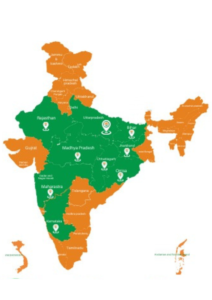
Over 50,000 happy customers across India.