5 Solar Power Myths You Should Stop Believing Before Buying a Rooftop System
Thinking about solar but worried about roof damage, winter output or power cuts? These concerns often come from confusing different system types.
Understanding solar myths helps you compare installers and choose a system for your needs. These solar myths spread when system types are treated as identical. A site assessment matters.
This guide from Anya Green Energy separates five common misconceptions from the practical facts homeowners should know before making a decision.
Myth 1: Solar Panels Always Cause Roof Leaks
This is among the solar myths worth checking against installation details rather than hearsay.
Fact: A correctly designed and installed system should not automatically cause a roof leak, but installation quality and roof condition matter.
The concern about solar panel roof leaks is understandable: some installations need mounting points or roof penetrations. Poor sealing or an already damaged roof can allow water inside.
A qualified installer should inspect the roof, identify weak areas and explain how mounting points will be weatherproofed. The US Department of Energy recommends checking roof condition and agreeing responsibility for leaks.
What should you check before installation?
Request a roof-condition assessment before signing.
Repair an ageing or damaged roof before installation where appropriate.
Ask how mounting points and cable routes will be weatherproofed.
Confirm workmanship coverage and the process for reporting leaks in writing.
The lesson behind solar myths about roof damage is that workmanship matters. A suitable roof and clear mounting details are more reassuring than a promise that leaks are impossible. If concerned about solar panel roof leaks, ask about mounting and flashing before work starts.
Compare roof inspection, mounting, waterproofing and after-sales support—not price alone. Questions about solar panel roof leaks need an actual installation plan, not a blanket guarantee. Ask specifically how the installer will prevent solar panel roof leaks around mounting points.
Myth 2: Solar Power Works During Every Blackout
Of all solar myths, this one matters especially to households that experience regular outages.
Fact: A standard grid-connected solar system generally shuts down during a grid outage unless it has suitable backup capability.
One consequential misconception among solar myths is that panels power every appliance during an outage. Grid-connected inverters generally shut down when the grid fails to protect utility workers and equipment.
Can you use solar power during a blackout? It depends on system design. A standard grid-tied installation without backup capability will not normally power the home. The US Department of Energy explains that resilience requires suitable inverter functionality and storage. Make backup operation explicit in the design.
What if you need backup electricity?
Ask whether you need a compatible inverter, battery and backup circuit. Plan solar power during a blackout around essential loads; some systems support only selected circuits.
Before choosing solar power during a blackout, list essential appliances and backup duration. Verify that the equipment can deliver solar power during a blackout.
To test solar myths against real product features, ask for backup details in writing: covered circuits, outage operation and included equipment. A standard on-grid package does not automatically include a battery.
Myth 3: Solar Is Useless in Cold Climates
This is one of the solar myths that confuses sunlight with ambient temperature.
Fact: Solar panels need light, not hot weather. Cold conditions can support good photovoltaic performance, although snow and shorter days may reduce production.
The idea that solar panels in cold climates cannot generate electricity confuses temperature with sunlight. Panels convert light, not heat, and photovoltaic cells generally perform better at lower temperatures when sunlight is available.
Cold regions face shorter days, clouds, snow and ice, which can reduce production or load the mounting structure. Design for local conditions.
What matters more than temperature alone?
Consider sunlight, roof direction, shade, seasonal demand and equipment ratings. Estimate annual generation rather than promise identical monthly output.
When assessing solar panels in cold climates, ask about snow, wind and roof conditions. Himalayan locations need different planning from Varanasi, where prolonged snow cover is not usually the main concern. Assess solar panels in cold climates using local weather and annual sunlight, not temperature alone. Request realistic seasonal estimates for solar panels in cold climates.
The lesson is simple: solar myths about cold weather oversimplify how photovoltaic systems work. Suitability depends on the site and system design, not on whether the climate feels warm.
Myth 4: Solar Panels Need No Maintenance at All
Like other electrical equipment, solar has practical care requirements; that makes absolute claims another of the solar myths to question.
Fact: Solar systems usually require limited routine care, but they should not be ignored after installation.
Dust, bird droppings, shading, loose hardware, damaged cables or inverter warnings can affect performance and safety.
A rooftop solar system care plan should include monitoring generation, looking for visible damage from a safe place and calling a professional when needed. Follow manufacturer cleaning instructions and avoid unsafe roof access.
What should homeowners monitor?
Compare generation across similar days and seasons.
Check inverter alerts and unexplained shutdowns.
Watch for new shading, damaged modules or exposed wiring.
Keep invoices, equipment details and warranty documents accessible.
Another of the solar myths is that panels never need attention. Care varies by location, system and manufacturer; ask the installer which checks are recommended.
For a rooftop solar system, the goal is sensible monitoring and early problem detection, not unnecessary servicing. Keep the original commissioning documents so a technician can identify the equipment if a concern arises. Ask what monitoring is recommended for your rooftop solar system.
Myth 5: Solar Is Too Complicated and Only Works for Certain Homes
This final group of solar myths can stop homeowners from even requesting a site assessment.
Fact: Solar can suit many properties, but the right system depends on roof suitability, electricity use, local rules and budget.
Some solar myths make the decision seem more complicated than necessary. Many property types can explore solar, but roof condition, shade, space, structure, consumption and grid connection all matter.
A site assessment should explain expected generation, included equipment, installation scope, maintenance responsibilities and applicable approvals.
How can you evaluate a proposal?
Review electricity bills and compare generation assumptions, equipment, workmanship, warranties and after-sales service—not just price.
A rooftop solar system should fit the home rather than follow a one-size-fits-all package. Confirm included equipment and extra costs. Verify subsidy and regulatory claims against current official rules and your DISCOM.
If savings are guaranteed without reviewing your bills or roof, request the calculation. Good advice explains limitations as well as benefits. Solar myths lose their power when buyers ask for evidence instead of responding to sales pressure
A Simple Checklist Before You Buy
Use this checklist to turn online research into practical questions for an installer. It is a useful way to test solar myths against the actual proposal:
Is my roof suitable?
Is the system grid-connected, hybrid or off-grid?
What backup is available?
What annual generation is estimated?
What do warranties cover?
What maintenance and support are provided?
Which approvals apply?
A trustworthy provider should welcome these questions. Clear answers help separate solar myths from genuine limitations. The aim is to understand the design and responsibilities before committing.
Frequently Asked Questions
Do solar panels damage the roof?
Not necessarily. Proper mounting and weatherproofing help prevent solar panel roof leaks. Existing roof damage or poor workmanship can create problems, so request a roof assessment and written clarity on responsibility for solar panel roof leaks.
Will my solar panels work during a power cut?
A standard grid-connected system usually shuts down when the grid fails. Solar power during a blackout requires compatible backup equipment and correct configuration. For solar power during a blackout, confirm backup loads before purchase.
Do solar panels work in winter?
Yes. Solar panels in cold climates generate electricity when light reaches them. Shorter days, clouds and snow can reduce output, so assess seasonal generation for solar panels in cold climates.
Is a rooftop solar system maintenance-free?
No system should be assumed to be maintenance-free. A rooftop solar system needs sensible monitoring, occasional inspection and cleaning when required, following manufacturer instructions.
How can I identify misleading solar claims?
Ask for written specifications, generation assumptions, warranties and official references for subsidy claims. Reliable advice explains limitations.
Conclusion: Make Your Solar Decision with Facts
The most useful response to solar myths is not blind optimism; it is asking specific questions and checking the evidence.
Solar suitability depends on the roof, backup needs, weather, electricity use and installation quality.
Do not let solar myths decide for you or replace them with sales promises. Compare proposals, check technical details and verify scheme information through official sources.
Anya Green Energy encourages homeowners to ask questions before investing. Reliable information helps turn solar myths into informed decisions. These solar myths are easier to assess when you ask for evidence. If you are considering solar, request a consultation and site assessment to understand which system fits your home.
Trusted by 50000+ Customers
Anya Green Energy is a leading solar company and Solar Energy service provider established in 2013. We are recognized by startup India and customer best choice award 2022.
Our Achievements :
Recognized by Startup India.
Purvanchal’s first solar company to operate exclusively with solar products.
Certified by well-known institutions such as MSME, IndiaMart, and Just Dial and many more.
Winner of the Best Customer Choice Award 2022.
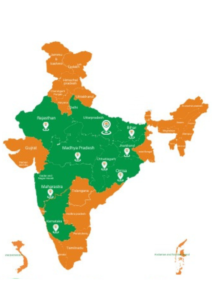
Over 50,000 happy customers across India.