Solar Training After Polytechnic: Career Opportunities, Skills & Guide

India is undergoing a rapid transition toward clean energy, driving an unprecedented demand for skilled technical professionals. As rooftop solar systems and mega solar parks expand across every state, polytechnic diploma holders in electrical, mechanical, civil, and electronics disciplines are uniquely positioned to enter a high-growth workforce. Pursuing specialized solar training after Polytechnic provides a direct pathway into an expanding green economy.
While a polytechnic diploma establishes strong fundamentals in core engineering principles, modern solar power plants demand specialized hardware mastery and grid integration skills. Understanding the value of solar training after Polytechnic enables young diploma engineers to bridge academic classroom theory with active project execution. Specialized technical education equips graduates to manage string inverter setups, high-voltage DC safety protocols, and site commissioning.
The expanding clean energy sector generates thousands of solar energy jobs for freshers across all states. Whether you completed your diploma in electrical engineering, mechanical trade, or civil drafting, the solar ecosystem offers diverse technical and operational entry points. Building a long-term career in solar energy offers diploma graduates income stability, rapid promotions, and lifelong professional growth in a future-proof industry sector.
Why Polytechnic Diploma Holders are Ideal for Solar Roles
The clean energy industry relies heavily on technical professionals who combine theoretical engineering understanding with physical site execution capability. Polytechnic diploma holders possess the ideal middle ground between trade mechanics and four-year degree engineers. Understanding why solar developers prioritize diploma graduates highlights the immense value of pursuing technical upskilling right after college.
Solar EPC contractors, rooftop installers, and operations and maintenance (O&M) service providers actively recruit diploma freshers for site supervision and design roles. High market growth creates an abundance of solar energy jobs for freshers in urban and regional centers. Employers prefer candidates who hold verified hands-on site competence over applicants who require extensive on-the-job training.
Furthermore, government schemes like PM Surya Ghar Muft Bijli Yojana are accelerating rooftop solar installations nationwide, driving local recruitment. Choosing practical solar training after Polytechnic equips diploma holders with the exact skills needed to meet strict DISCOM grid-interconnection standards and safety codes. Gaining early technical expertise makes enrolling in solar training after Polytechnic one of the most effective educational investments for ambitious job seekers.
Technical Skills & Curriculum in Solar Training After Polytechnic
A well-structured technical upskilling program bridges the critical gap between general polytechnic coursework and active multi-kilowatt client roof installations. Students move systematically from foundational electrical physics to advanced troubleshooting on commercial solar power plants. The curriculum covered during solar training after Polytechnic balances theoretical electrical principles with practical site exercises.
In the initial phase of a solar technician course, students cover basic electrical laws, array shading calculations, solar radiation metrics, and module specifications. Diploma engineers learn how monocrystalline, polycrystalline, and TOPCon panels operate under varying temperature conditions. Developing a strong theoretical grasp prepares technicians to execute precise array sizing and physical orientation calculations on client project sites.
As training progresses, students working toward a diploma in solar energy learn string wiring, crimping MC4 connectors, and installing junction boxes safely. The curriculum places heavy emphasis on earthing protection, lightning arresters, surge protection devices, and AC/DC isolation switches. Completing hands-on solar training after Polytechnic ensures students master high-voltage DC wiring, string inverter commissioning, and net-metering integration protocols.
Ready to switch to Solar?
Solar solutions with Anya Green Energy and discover how you can reduce your electricity bills.
Contact UsCareer Pathways & Job Designations for Diploma Engineers
Completing a comprehensive solar training program unlocks diverse career pathways across national EPC firms, module manufacturers, and O&M service contractors. Polytechnic graduates can choose from technical roles such as site supervisor, quality auditor, solar surveyor, or commissioning assistant. The continuous expansion of clean energy infrastructure guarantees steady hiring demand across all industrial states.
Graduates who complete solar training after Polytechnic transition smoothly into corporate execution teams with clear avenues for rapid vertical promotion. Holding a recognized diploma in solar energy validates your technical skills to prospective employers, demonstrating your readiness for complex commercial projects. Within a few years of site execution experience, skilled diploma technicians frequently step up into site project managers or plant maintenance leads.
Furthermore, developing strong technical capabilities opens immediate access to a rewarding career in solar energy across expanding green sectors. Diploma engineers who combine academic credentials with practical site exposure command higher monthly pay bands and site performance allowances. Over time, experienced diploma technicians can also establish independent solar installation and maintenance contracting businesses, unlocking uncapped earning potential.
AGESA — Premier Academy, Upcoming Technical Courses & Placement
For polytechnic freshers, job seekers, and vocational instructors seeking high-quality clean energy education, selecting the right training partner is essential. AGESA stands out as a premier educational academy dedicated to building a qualified, job-ready clean energy workforce across India. AGESA delivers specialized solar training after Polytechnic tailored to current engineering standards and employer expectations.
AGESA offers flexible online learning modules combined with practical site internships to ensure complete skill development. Learners taking an online solar technician course through AGESA receive comprehensive video tutorials, study guides, and digital simulation tools. AGESA provides an accessible learning platform designed specifically for polytechnic diploma holders, freshers, job seekers, and vocational teachers nationwide.
To meet surging market demand, AGESA is launching an expanded suite of technical learning programs across multiple specialization tracks. The upcoming AGESA launch includes dedicated programs for solar repair and maintenance, career preparation guides, advanced technical deep-dives, and custom courses for every skill level. AGESA programs prepare learners to earn a recognized diploma in solar energy while receiving direct placement support.
Enrolling in AGESA solar training after Polytechnic gives diploma freshers direct placement assistance, technical resume optimization, mock interviews, and recruiter connections. AGESA placement support builds a direct recruitment pipeline for solar energy jobs for freshers seeking corporate entry. Teachers and vocational instructors also benefit from AGESA professional development modules to update institutional curricula nationwide.
Whether you choose basic modules or upcoming tracks, AGESA solar training after Polytechnic offers complete support to help you achieve your professional goals. Master instructors provide continuous mentorship, ensuring students build both design capabilities and site leadership skills. Partnering with AGESA allows diploma graduates and educators to stay ahead in the rapidly growing clean energy economy.
Salary Expectations and Long-Term Professional Growth
Understanding compensation benchmarks helps polytechnic diploma graduates evaluate the financial benefits of entering the clean energy sector. Starting pay packages in renewable energy firms are highly competitive, reflecting the high technical complexity and rapid growth of the industry. Examining compensation trends demonstrates how specialized upskilling leads to financial independence.
Entry-level diploma engineers and site supervisors who complete solar training after Polytechnic can expect competitive starting salary packages. Freshers entering as graduate engineer trainees or site installers typically earn attractive baseline salaries supplemented by site performance allowances. Completing a modern solar technician course accelerates promotions into specialized operations and maintenance supervisory roles.
Candidates possessing a diploma in solar energy command higher monthly pay bands and site allowances compared to non-certified applicants. As diploma engineers build hands-on field experience and master SCADA grid synchronization, their earning potential increases rapidly. Within three to five years, experienced site leads earn senior pay packages comparable to four-year degree holders.
Building a sustainable career in solar energy allows diploma engineers to achieve financial independence early in their professional journey. Experienced technicians who master commercial plant troubleshooting often transition into independent technical consultancy or solar contracting. Taking specialized upskilling courses ensures long-term employment stability across expanding renewable energy markets.
How Polytechnic Freshers Can Prepare for the Industry
Securing a high-paying technical role in a clean energy firm requires a structured, proactive approach to skill development and job applications. Relying solely on general polytechnic coursework is often insufficient during competitive corporate recruitment drives. Following structured steps ensures you maximize solar training after Polytechnic opportunities effectively.
First, master foundational solar PV physics, string inverter operations, battery storage integration, and net-metering regulations. Developing deep domain clarity lays down a firm foundation for building a lifelong career in solar energy. Choosing an accredited solar technician course requires evaluating whether the curriculum reflects modern grid-tied and hybrid system technologies.
Second, obtain recognized professional certifications in electrical safety, high-voltage wiring, and PV system design software. Verifying that your diploma in solar energy is industry-accepted ensures your credentials are respected by corporate hiring managers. Adding certified credentials to your resume immediately distinguishes you from uncertified competitors.
Third, build a professional portfolio featuring site inspection reports, single-line diagrams, and shade analysis simulations completed during coursework. Presenting concrete work samples during interviews highlights your practical initiative and technical clarity. Proactive networking accelerates entry into high-demand solar energy jobs for freshers across top EPC firms.
Polytechnic Solar Career & Training Matrix
Comparing different technical upskilling pathways helps polytechnic students select the learning trajectory that best aligns with their academic branch and career goals. The matrix below outlines key parameters across foundational, advanced, and upcoming specialized AGESA program tracks for diploma graduates.
| Program Track | Eligible Polytechnic Branch | Core Technical Skills Covered | Primary Work Responsibilities | Target Career Designation |
|---|---|---|---|---|
| Basic Field Execution Track | Electrical / Mechanical | Array assembly, DC cabling, MC4 crimping, earthing | Panel mounting, cable routing, junction box fixing | Junior Site Engineer |
| Advanced Commissioning Track | Electrical / Electronics | String inverters, net-metering setup, SCADA, testing | Inverter setup, grid testing, net-metering integration | Solar Commissioning Lead |
| Solar Repair & Service (Upcoming) | Mechanical / Electrical | Fault isolation, inverter repair, thermal spot audit | Plant cleaning supervision, fault repair, maintenance | O&M Maintenance Specialist |
| Solar PV Design & Survey (Upcoming) | Civil / Electrical | Roof measurement, shade analysis, SLD, CAD layout | Site surveying, shade audit, layout drafting | Solar Design Assistant |
| Master Technical Deep-Dive (Upcoming) | All Polytechnic Branches | High-voltage substations, central inverters, grid codes | Substation management, team safety, site execution | Solar Site Supervisor |
As shown in the comparison matrix above, evaluating options for solar training after Polytechnic ensures clear career progression across distinct technical fields. Completing accredited solar training after Polytechnic prepares diploma graduates for immediate site deployment on commercial client projects. Starting with a practical solar technician course builds confidence before advancing to complex commercial design tracks.
Employers prefer candidates with a formal diploma in solar energy to supervise high-capacity rooftop installations. Participating in solar training after Polytechnic builds the practical site confidence needed for long-term success in clean energy firms. Taking up solar training after Polytechnic accelerates career entry right after diploma graduation.
Furthermore, whether you choose technical design or site supervision, building a career in solar energy allows diploma graduates to contribute directly to national clean energy goals. Continuous technical upskilling guarantees ongoing employment stability as battery storage and micro-grid technologies evolve. Taking action today by developing in-demand clean energy capabilities is the key to securing long-term professional success.
Frequently Asked Questions (FAQs)
Q1: Why is taking solar training after Polytechnic recommended for diploma holders?
Taking solar training after Polytechnic is recommended because it bridges academic diploma theory with active project execution. Specialized training provides hands-on experience with high-voltage DC string wiring, inverter setup, net-metering protocols, and workplace safety compliance, making diploma freshers job-ready for top EPC employers.
Q2: How does a diploma in solar energy complement a polytechnic diploma?
A diploma in solar energy complements a polytechnic diploma by providing specialized domain expertise in PV system design, shading analysis, inverter diagnostics, and DISCOM grid compliance. Combining a general engineering diploma with specialized solar credentials makes candidates highly competitive for supervisory site roles.
Q3: What job roles are available in solar energy jobs for freshers after diploma graduation?
After diploma graduation, roles in solar energy jobs for freshers include junior site engineer, PV survey technician, CAD drafting assistant, quality control auditor, O&M maintenance assistant, and site commissioning lead across established solar EPC companies.
Q4: Can diploma holders complete a solar technician course online?
Yes, diploma holders can complete theoretical modules, digital simulations, and software design exercises of a solar technician course online. Combining flexible online study with practical site internships or lab workshops ensures complete mastery over physical installation tools and testing instruments.
Q5: What is the long-term growth outlook for a career in solar energy after polytechnic?
The long-term outlook for a career in solar energy is exceptionally strong due to national clean energy goals, PM Surya Ghar scheme adoption, and expanding commercial solar portfolios. Experienced diploma technicians can advance from junior site leads to site project managers, plant O&M heads, or independent solar contractors.
Trusted by 50000+ Customers
Anya Green Energy is a leading solar company and Solar Energy service provider established in 2013. We are recognized by startup India and customer best choice award 2022.
Our Achievements :
Recognized by Startup India.
Purvanchal’s first solar company to operate exclusively with solar products.
Certified by well-known institutions such as MSME, IndiaMart, and Just Dial and many more.
Winner of the Best Customer Choice Award 2022.
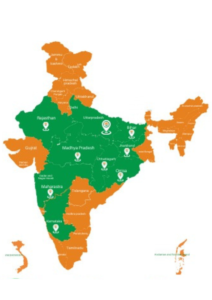
Over 50,000 happy customers across India.