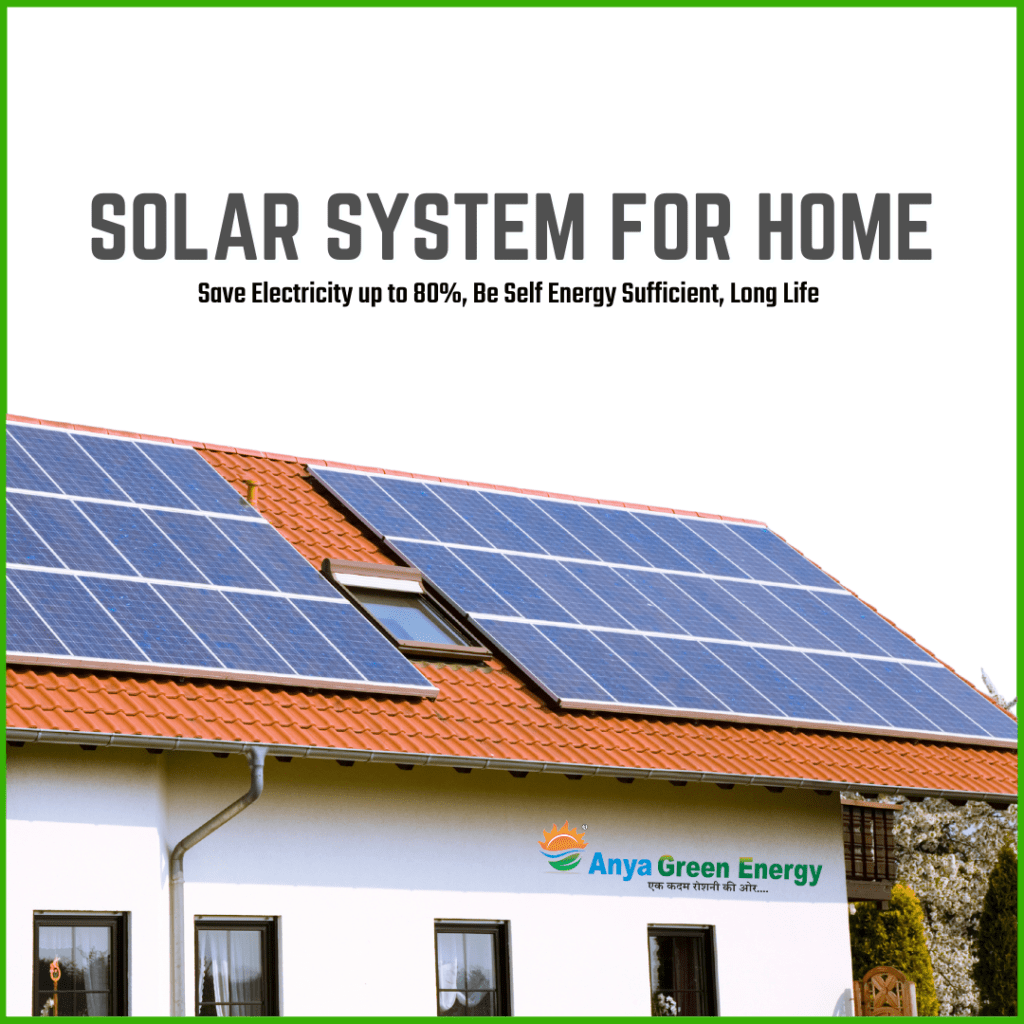
Solar Panel Price for Home in India: Cost per kW, Subsidy and Payback

Solar panel price for home is the first thing most Indian families check before going solar. The answer depends on system size, panel quality, inverter type and the subsidy you claim under PM Surya Ghar Muft Bijli Yojana.
This guide explains the solar panel cost for home in India in simple terms. You will see typical prices by size, what a quote includes, how the subsidy works and how quickly you can recover your money. All figures are indicative, so always compare written quotes from registered vendors.
What Decides Solar Panel Price for Home
Several factors shape the final bill. System capacity is the biggest one, followed by panel technology, inverter brand and mounting structure. Roof type and installation distance also play a part.
The solar panel price for home is not just the cost of panels. Panels usually account for around half of the total, while the rest covers the inverter, structure, wiring, protection devices and labour.
Because of this mix, the solar panel cost for home in India can differ by ₹20,000 or more between quotes of the same capacity. Compare what is included, not only the headline number.
Solar Panel Price per kW in India
Most residential quotes in India are given per kW. The solar panel price per kW for rooftop homes is commonly seen between ₹55,000 and ₹75,000 before subsidy. This range is an indicative placeholder and moves with market conditions.
Smaller systems cost more per kW because fixed costs are spread over fewer panels. Larger systems usually work out cheaper per kW.
When you compare vendors, ask for the solar panel price per kW along with the brand, wattage and warranty of every component.
Solar Panel Price for Home by System Size
The table below shows indicative on-grid prices for common home sizes. The figures are placeholders and exclude battery storage.
| Capacity | Typical Monthly Use | Roof Area Needed | Indicative Cost Before Subsidy |
|---|---|---|---|
| 1kW | 100 to 130 units | About 100 sq ft | ₹55,000 to ₹75,000 |
| 2kW | 200 to 260 units | About 200 sq ft | ₹1.1 lakh to ₹1.5 lakh |
| 3kW | 300 to 400 units | About 300 sq ft | ₹1.6 lakh to ₹2.1 lakh |
| 5kW | 500 to 650 units | About 500 sq ft | ₹2.7 lakh to ₹3.6 lakh |
A family using 250 to 300 units a month usually fits a 2kW or 3kW system. Check your last twelve electricity bills before you decide.
Use this table only as a starting point for your solar panel price for home estimate. Final numbers depend on a site survey and the brands you choose.
3kW Solar System Price: The Most Popular Choice
For most Indian homes, a 3kW system is the sweet spot. The 3kW solar system price usually falls between ₹1.6 lakh and ₹2.1 lakh before subsidy, depending on panel type and brand.
It generates roughly 12 to 15 units a day on average, enough for a household using 350 to 400 units a month. It also earns the maximum central subsidy, which makes the 3kW solar system price easier to manage.
This size needs about 300 square feet of shadow-free roof area. If your roof is smaller, high-efficiency panels can help.
Ready to switch to Solar?
Solar solutions with Anya Green Energy and discover how you can reduce your electricity bills.
Contact UsSolar Subsidy for Home Under PM Surya Ghar
PM Surya Ghar Muft Bijli Yojana aims to bring rooftop solar to one crore households. The scheme provides central financial assistance directly to your bank account after commissioning.
The solar subsidy for home is ₹30,000 per kW for the first 2kW and ₹18,000 for the third kW. It is capped at ₹78,000 for systems of 3kW and above.
Some states and DISCOMs add their own top-up, so check with your state nodal agency. Confirm current amounts on the national portal before you book.
The scheme is currently planned to run until 31 March 2027. Early applications help you avoid the last-minute rush at DISCOMs.
How Subsidy Reduces Solar Panel Cost for Home in India
Subsidy is the biggest lever on the solar panel cost for home in India. A ₹78,000 subsidy can cut the 3kW solar system price by roughly 40 percent. The table below uses mid-range placeholders.
| Capacity | Indicative Price (Mid-Range) | Central Subsidy | Indicative Net Cost |
|---|---|---|---|
| 1kW | ₹65,000 | ₹30,000 | ₹35,000 |
| 2kW | ₹1.3 lakh | ₹60,000 | ₹70,000 |
| 3kW | ₹1.85 lakh | ₹78,000 | ₹1.07 lakh |
| 5kW | ₹3.15 lakh | ₹78,000 | ₹2.37 lakh |
The solar subsidy for home arrives after installation and inspection. You pay the vendor first, so plan your cash flow or use a loan.
DCR Panels, ALMM and Their Effect on Price
To claim the solar subsidy for home, your system must use domestic content requirement (DCR) modules from ALMM-listed manufacturers. DCR modules, made with Indian cells, usually cost more than panels with imported cells.
This difference affects every solar panel price for home quote you receive. A non-DCR system may look cheaper, but it will not qualify for the central subsidy. For most families, the subsidy outweighs the saving.
Ask your vendor for ALMM listing details and DCR certificates before paying any advance.
What Is Included in the Price
A proper quote should list every item with brand and rating. Typical inclusions are:
- Solar panels: DCR modules with a performance warranty.
- Inverter: An on-grid string inverter, usually with app monitoring.
- Mounting structure: Galvanised iron or aluminium, sized for your roof.
- Cables and protection: DC and AC cables, DCDB, ACDB and surge protection.
- Earthing and lightning arrester: Essential for safety.
- Net meter and paperwork: DISCOM application and inspection support.
- Installation and commissioning: Labour, testing and handover.
Hidden extras such as extra cabling, higher structures or meter fees can raise the final solar panel price for home. Ask for a line-by-line quote to avoid surprises.
Panel Type and Inverter Choices That Change the Price
Monocrystalline PERC and TOPCon panels are the most common choices for homes. TOPCon costs slightly more but offers higher efficiency and better performance in heat.
String inverters are the cheapest option. Microinverters and hybrid inverters raise the cost but add panel-level monitoring or battery readiness.
Premium choices can add 10 to 20 percent to the solar panel price for home. Choose based on roof shading, budget and long-term plans.
On-Grid, Off-Grid and Hybrid Systems
On-grid systems are the cheapest and qualify for the central subsidy. Off-grid and hybrid systems need batteries, which can add ₹50,000 to ₹1.5 lakh or more.
Batteries are generally not covered by the PM Surya Ghar subsidy. If your area has few power cuts, on-grid is usually the smarter choice.
The solar panel price for home with battery backup is therefore much higher, and payback takes longer.
Net Metering, GST and Other Costs
Net metering lets you export surplus units to the DISCOM and receive credit on your bill. Meter and inspection fees vary by state, so ask your vendor to include them.
GST rules for solar equipment have changed in recent years, so confirm the current rate on your invoice. Some banks also charge processing fees on solar loans.
Maintenance is low. Budget a small yearly amount for cleaning and inverter checks, and expect to replace the inverter after about 10 to 12 years.
These small items add to the total solar panel price for home, so list them early.
Financing Your Rooftop Solar
Under PM Surya Ghar, banks offer collateral-free loans at concessional rates for residential systems up to 3kW. This can lower the upfront solar panel cost for home in India for families short on savings.
A loan spreads the solar panel price for home over monthly instalments. Savings on your electricity bill can cover much of the EMI, so compare interest rates and processing fees.
Resident welfare associations can also benefit, with ₹18,000 per kW for common-facility solar up to the scheme limit. This helps apartment communities that cannot install on individual roofs.
Payback Period and Savings
With electricity at ₹6 to ₹8 per unit, a 3kW system producing 3,600 to 4,500 units a year can save about ₹25,000 to ₹32,000 annually.
Taking the 3kW solar system price after subsidy at about ₹1.07 lakh, payback often falls between three and five years. After that, power is nearly free for the remaining life of the system.
Most panels carry performance warranties of 25 years or more. This long life is why the solar panel price for home works out as an investment, not an expense.
How to Get the Best Solar Panel Price for Home
Follow a simple process to get a fair deal:
- Check your bills: Note your monthly units to size the system correctly.
- Register on the portal: Apply at pmsuryaghar.gov.in using your DISCOM details.
- Collect three quotes: Use vendors registered on the portal.
- Compare quotes: Check the solar panel price per kW, brand, wattage, warranty and inclusions.
- Verify DCR and ALMM: Ask for certificates so your solar subsidy for home is not rejected.
- Agree milestone payments: Avoid paying the full amount upfront.
A fair solar panel price for home balances cost, quality and after-sales service. The cheapest quote is rarely the best one.
Common Mistakes to Avoid
Many buyers compare only the total and ignore the solar panel price per kW. They later find that the lowest quote excludes DCR panels or net metering support, which can cost them the subsidy.
Others oversize the system, ignore shadows from water tanks or neighbouring buildings, or skip a site survey. Each mistake raises the effective solar panel price for home without adding savings.
Avoid paying the full amount in advance. Pay in stages linked to delivery, installation and commissioning.
Future Price Trends in India
Module prices have fallen over the past decade because of scale and domestic manufacturing under the PLI scheme. Supply of Indian cells is growing, which may narrow the gap between DCR and non-DCR modules.
The solar panel cost for home in India can still move with raw material costs, import duties and demand. With the subsidy window tied to March 2027, waiting for a lower price may cost you more than it saves.
Looking ahead, the solar panel price for home may stay stable or dip slightly, while higher-efficiency panels become more common.
Conclusion
The solar panel price for home in India has become far more manageable thanks to subsidy, bank loans and falling equipment costs. A 3kW system can cost about ₹1 lakh after subsidy and pay itself back within a few years.
Know your monthly units, insist on DCR modules and compare at least three quotes on solar panel price per kW. For a family system, the 3kW solar system price is a useful benchmark.
Ready to start? Check your eligibility on the PM Surya Ghar portal, request quotes from registered vendors and claim your solar subsidy for home before the scheme timeline ends.
Frequently Asked Questions
1. What is the average solar panel price for home in India?
Most homes pay between ₹55,000 and ₹75,000 per kW before subsidy. A 3kW system typically costs ₹1.6 lakh to ₹2.1 lakh. These are indicative figures.
2. How much is the solar subsidy for home under PM Surya Ghar?
The central subsidy is ₹30,000 per kW up to 2kW and ₹18,000 for the third kW, capped at ₹78,000. Check the national portal for current rules.
3. What is the 3kW solar system price after subsidy?
After the ₹78,000 subsidy, the net cost is often between ₹80,000 and ₹1.3 lakh, depending on brand and inclusions. Taxes and meter fees may add a little.
4. Why does solar panel cost for home in India differ between vendors?
Vendors differ in brand, DCR compliance, inverter quality, structure and warranty. After-sales service also affects price, so compare inclusions line by line.
5. Can I get a lower solar panel price per kW with a bigger system?
Often yes, because fixed costs are shared across more panels. However, size your system to your actual usage and available roof area.
6. Does a higher solar panel price for home mean better quality?
Not always. Check brand, ALMM listing, warranty and installer reputation rather than price alone. A mid-range quote from a reliable installer often performs best.
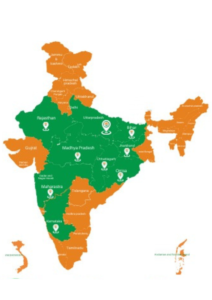
Trusted by 50000+ Customers
Anya Green Energy is a leading solar company and Solar Energy service provider established in 2013. We are recognized by startup India and customer best choice award 2022.
Our Achievements :
Recognized by Startup India.
Purvanchal’s first solar company to operate exclusively with solar products.
Certified by well-known institutions such as MSME, IndiaMart, and Just Dial and many more.
Winner of the Best Customer Choice Award 2022.
Over 50,000 happy customers across India.