What Are the Primary Types of Renewable Energy?
Understanding the principal types of renewable energy requires analyzing how natural environmental forces are converted into usable electricity and heat. Different geographic locations, seasonal climates, and industrial needs demand distinct generation profiles. Combining multiple technologies ensures continuous, high-efficiency power delivery across local grids.

1. Solar Energy: Harnessing Radiant Photons
Solar energy is the most abundant energy resource on Earth. Every hour, the sun strikes the planet’s surface with enough energy to satisfy global power needs for an entire year.
Photovoltaic (PV) Technologies
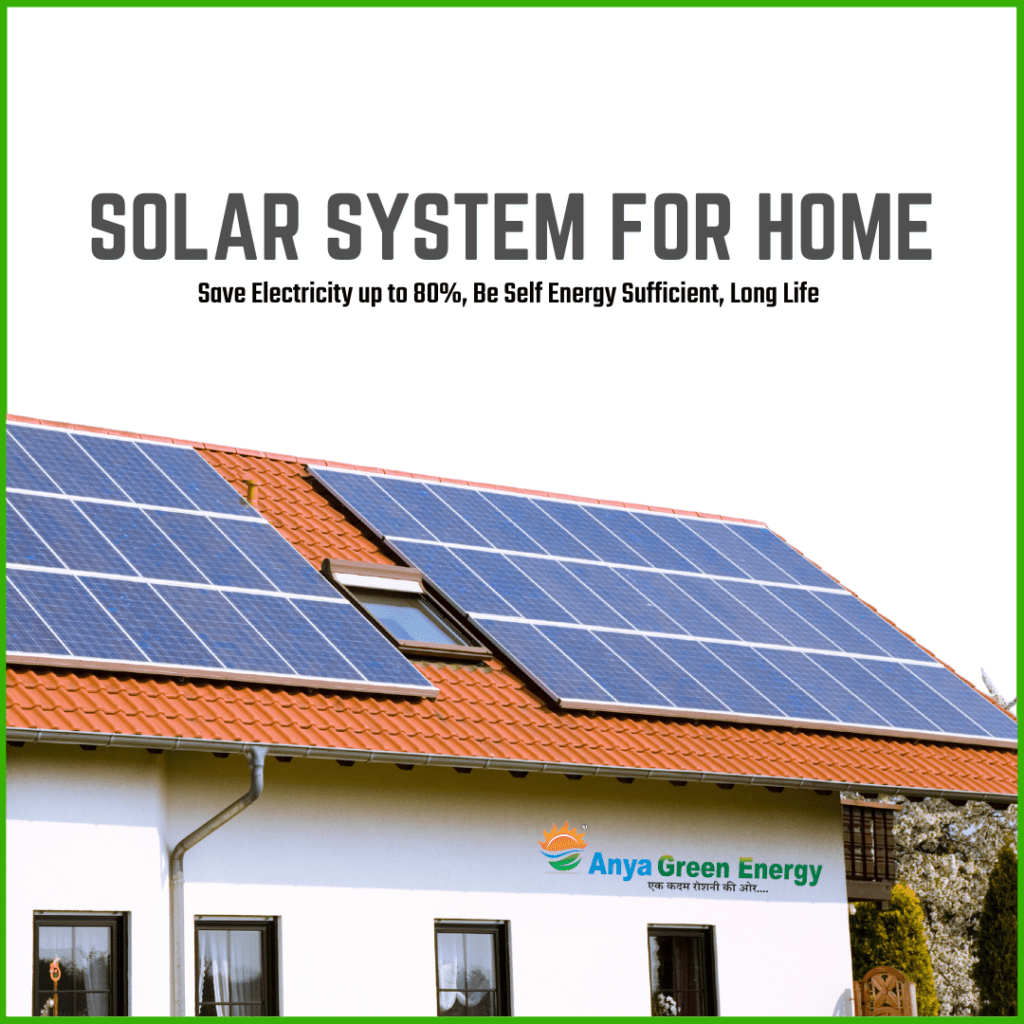
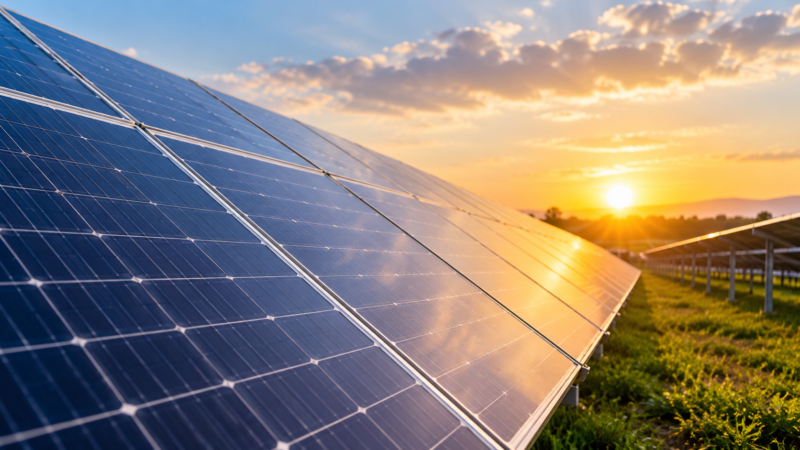
Solar Photovoltaic (PV) technology converts sunlight directly into electricity using semiconductor materials—primarily silicon. When light particles (photons) strike a solar cell, they knock electrons free from their atomic orbits, creating an electric current. Modern solar power systems utilize high-efficiency monocrystalline cells, bifacial panels that capture ambient ground reflections, and TOPCon cell architectures.
Deployments range from residential rooftop arrays to massive utility-scale installations spanning thousands of acres. Integrating advanced battery storage with solar power systems allows households and businesses to store surplus daytime energy for nighttime use, delivering affordable, localized power.
Concentrated Solar Power (CSP)
Unlike standard PV panels that generate direct electrical current, Concentrated Solar Power (CSP) uses arrays of tracking mirrors (heliostats) to focus sunlight onto a central receiver tower. This concentrated energy heats thermal fluids, such as molten salt, up to temperatures exceeding 500°C. The superheated fluid produces high-pressure steam that drives a traditional turbine generator. CSP installations can store thermal energy in molten salt tanks for hours, generating electricity on demand even after nightfall.
2. Wind Power: Capturing Kinetic Atmospheric Energy
Onshore Wind Energy
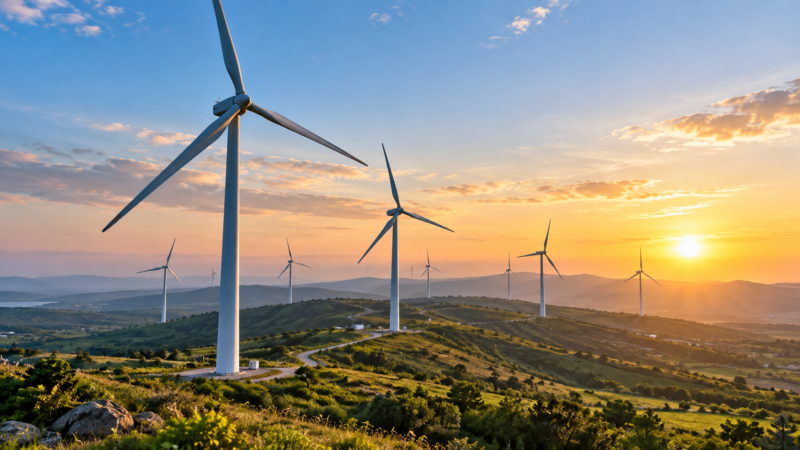
Onshore wind turbines feature massive aerodynamic blades mounted on tall steel towers. As moving air flows across the blades, it generates lift, causing the rotor to turn a central shaft connected to an electrical generator.
Contemporary wind turbine technology includes intelligent pitch control systems that automatically adjust blade angles based on real-time wind speeds, optimizing power production while protecting structural components during severe storms. Onshore installations share land with farming and livestock grazing, minimizing their environmental footprint.
Offshore Wind Infrastructure
Offshore wind farms are located in oceans, seas, and large lakes, where wind velocities are stronger and far more consistent than on land. Fixed-bottom monopiles anchor turbines in shallow waters, while floating platforms tethered to the seabed permit installations in deep ocean waters.Offshore wind turbine technology continues to break engineering records, with single turbines sporting rotor diameters exceeding 240 meters and generating enough power for thousands of homes.
3. Hydropower: Harnessing Gravitational Fluid Motion
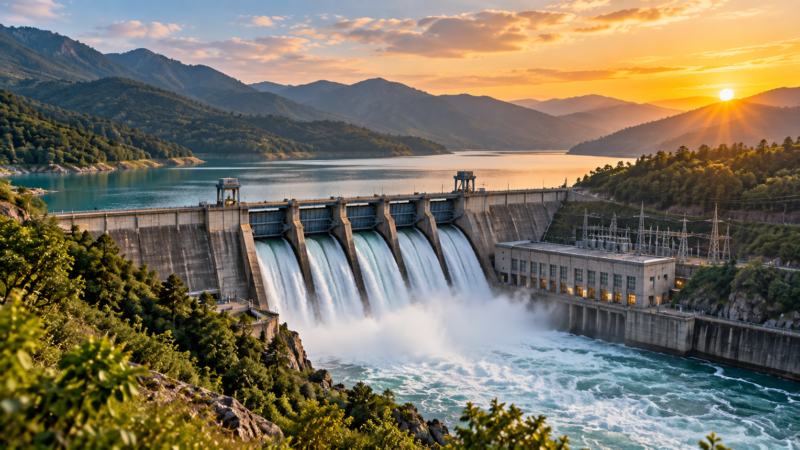
Hydropower is one of the oldest and largest source categories among all types of renewable energy globally. It converts the gravitational potential and kinetic energy of flowing water into zero-carbon electricity.
Conventional Impoundment Dams
Large-scale hydropower dams impound river water inside vast storage reservoirs. When electricity demand peaks, controlled volumes of water pass through deep intake gates down high-pressure penstocks, striking the runner blades of a hydro turbine connected to a large generator. Conventional dams give grid operators total control over electricity output, making hydro a key stabilizer for national power grids.
Run-of-River Hydro Systems
Run-of-river installations redirect a portion of a river’s natural flow through a side canal or penstock, passing it through turbines before returning the water downstream. These plants require little to no reservoir flooding, preserving local river habitats while supplying consistent baseline power.
Pumped Storage Hydropower (PSH)
Pumped storage works like a giant water battery. When surplus electricity from solar and wind farms is plentiful and cheap, water is pumped from a lower reservoir up to an elevated top reservoir. When electricity demand surges, water drops back down to spin turbines, producing immediate on-demand power. Pumped storage accounts for over 90% of all utility-scale energy storage capacity globally.
4. Geothermal Energy: Tapping Internal Earth Heat
Geothermal installations extract thermal energy generated continuously deep within the Earth’s core. This subterranean heat remains unaffected by surface weather conditions, making geothermal a uniquely reliable, 24/7 baseload option among clean energy sources.
Flash Steam and Binary Cycle Plants
Flash Steam Plants: Deep geothermal wells draw high-pressure hot water (above 180°C) up from subterranean reservoirs into low-pressure surface tanks. The sudden drop in pressure causes the water to “flash” into high-velocity steam that powers a turbine generator.
Binary Cycle Plants: Cooler geothermal fluids (100°C–180°C) pass through a heat exchanger to vaporize a secondary fluid with a much lower boiling point (such as isobutane). The expanding organic gas spins the turbine in a closed loop, releasing zero atmospheric emissions.
Enhanced Geothermal Systems (EGS)
Traditional geothermal relies on natural underground reservoirs. Enhanced Geothermal Systems (EGS) use deep directional drilling and hydraulic fracturing to access hot dry rock miles underground. Injecting water into these human-made fractures creates high-temperature reservoirs anywhere in the world, expanding geothermal energy far beyond traditional volcanic regions.
5. Bioenergy: Extracting Power from Organic Biomass
Bioenergy is produced by processing organic matter—such as forestry byproducts, agricultural crop waste, organic trash, and animal manure. Because plants absorb atmospheric carbon dioxide through photosynthesis during their lifecycle, burning biomass releases only the carbon previously absorbed, creating a potentially carbon-neutral lifecycle when managed sustainably
Direct Combustion & Thermal Gasification
Solid biomass pellets and wood residues are burned directly inside specialized boilers to produce steam for power generation and industrial heating. Advanced gasification converts solid waste into synthetic gas (syngas) under high temperatures with controlled oxygen, yielding a clean-burning gaseous fuel for high-efficiency turbines.
Anaerobic Digestion and Biogas
Organic agricultural waste and municipal sludge decompose inside sealed, oxygen-free anaerobic digesters. Specialized bacteria digest the organic matter, producing biogas composed mostly of methane and carbon dioxide. Purifying this mixture creates Renewable Natural Gas (RNG), which can feed existing pipeline networks or generate on-demand clean heat and electricity.
6. Emerging Marine & Chemical Clean Technologies
Beyond major primary generation sources, new technology frontiers expand the reach of sustainable power generation.
Tidal and Wave Marine Energy
Tidal Stream Energy: Underwater tidal turbines sit in narrow ocean channels, harvesting energy as massive water currents rise and fall. Because tides are driven by gravitational interactions between the Earth, Moon, and Sun, tidal generation is 100% predictable decades in advance.
Wave Energy Converters: Floating devices capture the oscillating surface movement of ocean waves, translating mechanical motion into electricity.
Green Hydrogen Systems
Green hydrogen is a zero-carbon energy carrier rather than a primary source. Using surplus power from solar power systems and wind farms, water electrolyzers split water molecules into hydrogen and oxygen gas. Stored green hydrogen can then be burned or run through fuel cells to supply high-heat industrial processes—such as green steel production—and power long-haul transport systems without carbon emissions.
Technical and Operational Comparison
Evaluating the operational performance of different types of renewable energy requires comparing baseline technical metrics across generation technologies.
| Technology Category | Capacity Factor (%) | Average LCOE ($/MWh) | Primary Grid Function | Key Technical Strength |
| Solar Photovoltaic (PV) | 20% – 28% | $35 – $50 | Variable Daytime Bulk | Lowest installation & energy costs |
| Onshore Wind Power | 35% – 48% | $30 – $45 | Variable / Complementary | High yield, minimal ground land footprint |
| Offshore Wind Power | 45% – 55%+ | $70 – $95 | Bulk Power Generation | Strong, highly consistent ocean wind speeds |
| Conventional Hydropower | 40% – 60% | $40 – $70 | Fully Dispatchable / Storage | Rapid black-start capability & storage |
| Geothermal Energy | 85% – 95% | $60 – $90 | Continuous 24/7 Baseload | Continuous generation regardless of weather |
| Bioenergy / Biogas | 65% – 85% | $75 – $110 | Dispatchable On-Demand Ther |
Overcoming Grid Integration Challenges
To transition fully away from fossil fuels, power grids must evolve to handle the variable generation of solar and wind installations.
Energy Storage Deployments
Utility-scale Battery Energy Storage Systems (BESS) powered by advanced lithium-iron-phosphate (LFP) and sodium-ion cells store excess renewable power during periods of peak production. This stored power feeds back into the grid during peak evening consumption hours, smoothing out intermittent generation dips.
Smart Grids and AI Forecasting
Modern smart grids use artificial intelligence and Internet of Things (IoT) sensors to forecast weather shifts, monitor real-time power consumption, and automatically adjust energy delivery across transmission networks. High-Voltage Direct Current (HVDC) lines carry electricity across thousands of miles with minimal line loss, delivering remote solar and wind power straight to urban citie
Environmental and Economic Benefits
Adopting these varied types of renewable energy offers advantages far beyond lowering carbon emissions.
Long-Term Cost Savings: Solar panels and wind installations harvest free fuel sources (sunlight and atmospheric air), insulating businesses and consumers from unpredictable fossil fuel price spikes.
Energy Independence: Harvesting local, non-depletable resources reduces dependence on foreign oil and gas imports, boosting national energy security.
Health and Environmental Quality: Replacing fossil combustion with clean energy sources removes sulfur dioxide, nitrogen oxides, and fine particulate matter from the air, improving public health and reducing environmental degradation.
Why Diversity Across Clean Energy Sources Matters
No single technology can power the entire world on its own. Solar panels produce peak energy during sunny afternoons, wind farms often produce maximum output during nighttime fronts, and geothermal and hydro dams deliver steady baseload stability throughout the year.
Combining these complementary clean energy sources into unified smart power grids ensures consistent, round-the-clock power. As wind turbine technology advances, solar power systems become more efficient, and battery storage costs drop, adopting diverse types of renewable energy serves as the foundation for an affordable, resilient, zero-emission world.
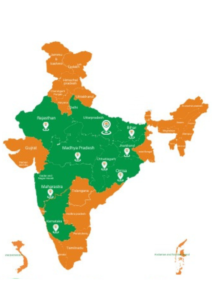
Trusted by 50000+ Customers
Anya Green Energy is a leading solar company and Solar Energy service provider established in 2013. We are recognized by startup India and customer best choice award 2022.
Our Achievements :
Recognized by Startup India.
Purvanchal’s first solar company to operate exclusively with solar products.
Certified by well-known institutions such as MSME, IndiaMart, and Just Dial and many more.
Winner of the Best Customer Choice Award 2022.
Over 50,000 happy customers across India.