Renewable Energy Jobs in India: Career Opportunities, Salary Trends & Future Growth Guide

India is currently witnessing one of the largest clean energy transformations in global history, aiming for 500 GW of non-fossil energy capacity by 2030. This massive clean energy transition has triggered an unprecedented expansion in employment opportunities across solar, wind, green hydrogen, and battery storage sectors. Exploring renewable energy jobs in India provides a clear pathway for freshers, engineers, technicians, and career changers looking to enter a high-growth workforce.
For ambitious professionals evaluating long-term employment stability, expanding into clean energy opens diverse career avenues across technical, managerial, policy, and research domains. Understanding the scope of renewable energy careers helps job seekers align their skill sets with evolving industry demands. As investments flow into green infrastructure, skilled manpower has become the most critical asset for national development.
Government schemes like PM Surya Ghar Muft Bijli Yojana, the National Green Hydrogen Mission, and Production-Linked Incentive (PLI) schemes are accelerating project execution nationwide. This policy momentum generates millions of green jobs in India for qualified workers across both urban industrial hubs and rural project sites. Let us examine the major employment sectors, job roles, pay structures, and skill requirements defining the clean energy job landscape.
The Expanding Renewable Energy Job Market in India
The Indian clean energy landscape has evolved from a niche sustainability initiative into a core driver of national economic expansion. As utility-scale solar parks and off-shore wind farms scale rapidly, employment opportunities are diversifying into complex engineering and operations fields. Tracking the surge in renewable energy jobs in India offers valuable insights into current market demands and corporate recruitment trends.
According to recent clean energy workforce assessments, the sector is projected to create over three million direct and indirect jobs by the end of this decade. This rapid hiring momentum is driven by heavy capital investments from private EPC contractors, public sector DISCOMs, and international investment funds. Candidates exploring renewable energy careers will find expanding opportunities across module manufacturing, project development, grid integration, and digital asset management.
Furthermore, regional industrial clusters in states like Gujarat, Rajasthan, Tamil Nadu, Maharashtra, and Karnataka are emerging as major employment hubs. These states house large-scale solar installations, wind turbine manufacturing plants, and high-voltage transmission networks that require continuous technical staffing. The accelerating transition ensures that green jobs in India remain highly resilient against broader economic slowdowns.
To meet ambitious installation timelines, top energy developers are actively ramping up nationwide recruitment drives across multiple engineering disciplines. Understanding current renewable energy hiring patterns allows job seekers to position themselves strategically for upcoming corporate hiring waves. Let us explore which specific clean energy sectors are leading employment generation.
Top Sectors Creating Renewable Energy Jobs in India
While rooftop solar installations remain a prominent hiring channel, the broader clean energy ecosystem encompasses multiple high-growth technical domains. Each sector requires specialized engineering expertise, project management capabilities, and practical field execution skills. Analyzing key sectors highlights where prospective candidates can find prospective renewable energy jobs in India.
The solar PV sector remains the primary employer, accounting for more than half of all clean energy jobs nationwide. Roles in solar span module manufacturing, roof site survey, system engineering design, rooftop installation, and central inverter commissioning. Job seekers looking for solar and wind energy jobs will discover expanding openings in both decentralized rooftop setups and mega utility-scale projects.
The wind energy domain represents another mature employment sector, driven by technological upgrades in high-capacity wind turbine generators. Wind energy project developers recruit mechanical engineers, turbine maintenance technicians, aerodynamic designers, and grid compliance managers. The steady expansion of wind energy portfolios continues to contribute significantly to green jobs in India across coastal and windy corridors.
Green hydrogen and advanced battery energy storage systems (BESS) represent the newest high-growth frontiers for technical job seekers. Chemical engineers, electrochemists, storage specialists, and plant safety leads are urgently needed to build gigawatt-scale electrolyzer plants and battery packs. Evaluating these emerging technologies reveals why renewable energy jobs in India offer endless avenues for vertical specialization.
Finally, bio-energy, small hydro power, and waste-to-energy projects provide steady employment opportunities across rural and semi-urban agricultural regions. Biomass supply chain managers, anaerobic digestion engineers, and plant operators find steady employment with bio-CNG and ethanol producers. Tracking these diverse clean energy sectors confirms that overall renewable energy hiring is accelerating across all major renewable disciplines.
Ready to switch to Solar?
Solar solutions with Anya Green Energy and discover how you can reduce your electricity bills.
Contact UsKey Job Roles and Technical Qualifications Required
The clean energy sector relies on a multi-tiered workforce ranging from skilled tradespeople to post-graduate engineering specialists. Understanding how educational qualifications map to specific job roles helps candidates select the appropriate entry pathway. Aligning your academic background with industry expectations is essential when pursuing long-term renewable energy careers.
For entry-level field execution and installation roles, candidates with ITI diplomas in electrical, wireman, or mechanical trades are highly sought after. Technical field technicians handle panel mounting, structural alignment, string crimping, DC cable routing, and preliminary circuit testing. These foundational execution roles represent a vital entry point for candidates seeking renewable energy jobs in India without advanced degrees.
For design engineering, grid commissioning, and structural analysis positions, companies require a Bachelor’s degree in Electrical, Mechanical, Civil, or Energy Engineering. Design engineers utilize advanced software tools like PVsyst, AutoCAD, ETAP, and Helioscope to design single-line diagrams, conduct shade analysis, and model energy yields. Candidates possessing expertise in both electrical design and software modeling are ideal candidates for solar and wind energy jobs.
Commercial, legal, policy, and business development roles welcome graduates from management, finance, or environmental policy backgrounds. Project developers require business leads who understand PPA structures, net-metering regulations, land acquisition laws, and project financing models. Acquiring cross-functional business skills ensures rapid entry as corporations accelerate renewable energy hiring across corporate offices.
Salary Trends and Compensation Structures
Remuneration structures in the clean energy sector are highly competitive, reflecting the high technical complexity and rapid growth of the industry. Base pay packages vary depending on technical certifications, practical site experience, educational credentials, and geographic location. Examining current compensation benchmarks clarifies what freshers and experienced professionals can expect when securing renewable energy jobs in India.
Entry-level technicians and junior site engineers typically start with monthly packages ranging from ₹18,000 to ₹30,000. Freshers working on utility-scale remote site projects often receive additional site allowances, housing amenities, and performance-based incentives. Building strong practical expertise over the first two years accelerates progression into higher compensation brackets across modern renewable energy careers.
Mid-level engineers, site supervisors, and project managers with three to six years of experience command substantially higher salary bands. Experienced professionals managing multi-megawatt project execution or SCADA grid synchronization earn between ₹35,000 and ₹65,000 per month. Specializing in high-voltage substations or central inverter maintenance further elevates your earning potential in competitive solar and wind energy jobs.
Senior project directors, lead design architects, and O&M plant managers with over eight years of service represent the top compensation tier. At this level, annual CTC packages range from ₹10 Lakhs to ₹22 Lakhs or more, particularly within global IPP firms and major EPC conglomerates. Navigating these lucrative pay scales demonstrates why securing renewable energy jobs in India offers excellent long-term financial security.
Furthermore, corporate service providers, green hydrogen developers, and international energy consultancies offer premium pay structures to attract top technical talent. As specialized technical expertise becomes rarer, employers are offering flexible bonuses and stock options to retain top performers. Tracking regional salary trends confirms that active renewable energy hiring continues to elevate compensation standards across all career stages.
AGESA — Professional Skill Development, Practical Coaching, and Job Placement
For freshers, job seekers, and career transitioners aiming to enter the clean energy industry, obtaining practical technical training is the single most effective step. AGESA stands out as a dedicated educational academy and skill development platform designed specifically to build a job-ready clean energy workforce. AGESA bridges the gap between traditional academic theory and real-world field installation requirements.
Through its flexible online modules, AGESA enables students, working professionals, job seekers, and teachers to access high-quality solar and renewable energy training from anywhere in India. The curriculum covers foundational electrical theory, PV design software, string inverter troubleshooting, net-metering protocols, and high-voltage safety standards. AGESA ensures that every learner gains strong theoretical clarity backed by real-world engineering case studies.
To complement classroom theory, AGESA integrates comprehensive practical internship experiences and hands-on site exposure. Students work directly with industry-grade solar equipment, testing meters, structural assemblies, and live SCADA monitoring software. This practical training ensures that candidates develop real operational confidence before stepping onto active client installation sites.
A key advantage of AGESA lies in its dedicated job preparation and placement assistance ecosystem. AGESA assists learners with technical resume building, mock interview sessions, portfolio development, and direct connections to leading EPC employers. For job seekers actively searching for solar and wind energy jobs, AGESA provides direct access to top recruiters seeking certified technical talent.
Teachers and vocational instructors also benefit significantly from AGESA specialized professional development and instructor training modules. By upgrading their technical domain knowledge through AGESA, educators can effectively teach modern clean energy concepts in schools, colleges, and ITIs nationwide. AGESA remains committed to empowering educators to inspire the next generation of green workforce professionals.
For job seekers aiming to secure high-paying renewable energy jobs in India, AGESA offers an end-to-end career guidance ecosystem. Acquiring certified qualifications through AGESA enhances candidate credibility during corporate recruitment drives. By combining flexible online modules, site internships, and direct placement support, AGESA helps candidates secure rewarding green jobs in India while helping top employers fulfill their ongoing renewable energy hiring requirements.
In-Demand Technical and Digital Skills for Renewable Careers
The rapid integration of digital technologies, artificial intelligence, and IoT into clean energy infrastructure is transforming job skill requirements. Modern energy companies require professionals who can manage dynamic software systems alongside traditional electrical hardware installations. Acquiring contemporary digital capabilities is vital for securing high-paying renewable energy jobs in India.
Mastery of industry-standard design software tools like PVsyst, AutoCAD, Helioscope, and SketchUp remains a fundamental requirement for design engineers. These digital tools allow engineers to simulate energy yield estimates, calculate shading losses, and optimize electrical cable routing before site construction begins. Engineers proficient in software modeling enjoy distinct advantages when applying for competitive solar and wind energy jobs.
In addition to design software, expertise in supervisory control and data acquisition (SCADA) systems and industrial IoT monitoring is highly valued. Modern utility solar parks and wind farms rely on digital twins and AI analytics to predict equipment failures and optimize generation. Developing data analytical capabilities opens exciting avenues in digital asset management within the expanding pool of green jobs in India.
Furthermore, understanding power electronics, high-voltage transformer protection, and grid synchronization standards is essential for field commissioning engineers. Technicians who understand both AC/DC wiring physics and high-voltage safety regulations command premium salaries. Acquiring multi-disciplinary engineering capabilities ensures long-term career resilience as active renewable energy jobs in India become more technologically advanced.
How Freshers and Career Changers Can Transition into Clean Energy
Transitioning into the clean energy industry does not require starting your education from scratch if you adopt a structured career transition strategy. Professionals from traditional electrical, civil, IT, or manufacturing sectors possess transferable skills that are highly relevant to renewable energy projects. Following proven transition steps simplifies entering modern renewable energy careers.
Step 1: Conduct a Transferable Skill Assessment
Identify how your current professional skills align with clean energy project requirements. Mechanical engineers can easily adapt to wind turbine mechanics or solar structural design, while software developers can transition into smart grid analytics. Recognizing your transferable strengths lays down a solid foundation for finding relevant renewable energy jobs in India.
Step 2: Enroll in Specialized Certification Programs
Bridge domain knowledge gaps by completing recognized clean energy certification courses. Taking accredited training modules in PV system engineering, green hydrogen technology, or safety compliance demonstrates your commitment to prospective employers. Formal certifications clarify how to position yourself successfully during active corporate renewable energy hiring drives.
Step 3: Gain Practical Site Exposure & Internship Experience
Hands-on field experience is essential for converting theoretical knowledge into practical engineering capability. Participate in short-term site installation internships, energy auditing projects, or vocational lab training to gain practical exposure. Possessing verified practical project experience gives candidates a distinct competitive edge when applying for renewable energy jobs in India.
Step 4: Build a Targeted Professional Network
Connect directly with clean energy project managers, HR recruiters, and industry leaders on professional platforms like LinkedIn. Participate in national clean energy expos, webinars, and technical workshops to gain industry insights and unadvertised job referrals. Active networking accelerates career transition timelines, helping you land lucrative green jobs in India across top companies.
Renewable Energy Employment & Career Roadmap Matrix
Reviewing structured job roles, qualification requirements, and compensation bands provides practical guidance for candidates planning their clean energy career paths. The matrix below outlines key employment categories across the Indian clean energy sector, providing a clear reference for candidates exploring renewable energy jobs in India.
| Sector / Domain | Designation / Role | Minimum Qualification | Key Technical Skill Sets | Estimated Monthly Salary (INR) | Estimated Annual Package (CTC) |
|---|---|---|---|---|---|
| Solar EPC | Solar Site Technician | ITI Electrical / Wireman | Cable routing, MC4 crimping, panel mounting | ₹18,000 – ₹28,000 | ₹2.1 Lakh – ₹3.3 Lakh |
| Solar Engineering | Solar PV Design Engineer | B.Tech Electrical / Energy | PVsyst, AutoCAD, SLD preparation, shade audit | ₹28,000 – ₹45,000 | ₹3.3 Lakh – ₹5.4 Lakh |
| Wind Energy | Wind Turbine Maintenance Engineer | B.Tech Mechanical / Electrical | Hydraulic servicing, gearbox audit, blade check | ₹30,000 – ₹50,000 | ₹3.6 Lakh – ₹6.0 Lakh |
| Energy Storage (BESS) | Battery Systems Engineer | M.Tech Chemical / Electrical | BMS programming, thermal simulation, cell test | ₹40,000 – ₹70,000 | ₹4.8 Lakh – ₹8.4 Lakh |
| Green Hydrogen | Electrolyzer Process Engineer | B.Tech / M.Tech Chemical | Water electrolysis, gas safety, process control | ₹45,000 – ₹80,000 | ₹5.4 Lakh – ₹9.6 Lakh |
| Project Operations | Renewable O&M Plant Manager | B.Tech + 7 Years Experience | SCADA control, team leadership, DISCOM liaison | ₹65,000 – ₹1,20,000+ | ₹7.8 Lakh – ₹14.4+ Lakh |
As shown in the roadmap matrix above, the clean energy industry offers diverse entry points and clear vertical growth across multiple engineering disciplines. Securing practical certifications helps freshers bridge domain knowledge gaps quickly to target specialized roles. Landing competitive solar and wind energy jobs becomes much easier when candidates possess formal qualifications backed by practical project exposure.
Building a long-term professional pathway in clean energy guarantees steady income growth and career stability over decades of national clean energy expansion. Whether you are an electrical technician, software developer, or corporate manager, expanding into green jobs in India allows you to contribute directly to national sustainability goals. Taking action today by developing in-demand clean energy capabilities is the key to securing long-term success.
Furthermore, analyzing market hiring patterns reveals that the overall demand for renewable energy jobs in India maintains consistent year-on-year growth across all states. Pursuing structured training through academies like AGESA provides candidates with direct guidance and practical placement support. Staying informed about nationwide renewable energy hiring trends empowers ambitious candidates to build rewarding, future-proof clean energy careers.
Frequently Asked Questions (FAQs)
Q1: What are the best entry-level renewable energy jobs in India for freshers?
The best entry-level renewable energy jobs in India for freshers include solar site installation technician, junior PV design engineer, graduate engineer trainee (GET) in EPC companies, solar business development associate, and O&M maintenance assistant. Freshers with electrical engineering or ITI backgrounds can secure these roles by completing short-term practical training certifications.
Q2: How can engineers transition from conventional thermal power into solar and wind energy jobs?
Engineers can transition into solar and wind energy jobs by taking specialized certification courses in renewable energy technology, power electronics, and PV design software like PVsyst. Since core electrical and mechanical engineering principles remain similar, completing targeted practical modules allows engineers to adapt quickly to clean energy project sites.
Q3: Which sectors are driving the highest volume of renewable energy hiring in India?
The highest volume of renewable energy hiring is driven by solar EPC companies, utility-scale project developers, Operations and Maintenance (O&M) service providers, wind turbine original equipment manufacturers (OEMs), and expanding green hydrogen developers. Government rooftop initiatives like PM Surya Ghar are also driving massive hiring across regional installer networks.
Q4: Are green jobs in India limited to engineering graduates?
No, green jobs in India extend far beyond engineering roles. Clean energy firms actively recruit business development managers, project finance analysts, legal policy experts, supply chain specialists, carbon accounting consultants, and environmental auditors from non-engineering academic backgrounds.
Q5: How does AGESA help students and job seekers prepare for renewable energy careers?
AGESA assists learners by offering flexible online training modules, practical site internship exposure, technical resume building, interview preparation, and direct placement connections with leading EPC recruiters across India. AGESA also provides train-the-trainer modules to help teachers educate the next generation of clean energy workers.
Trusted by 50000+ Customers
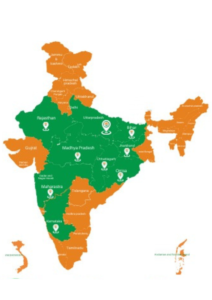
Anya Green Energy is a leading solar company and Solar Energy service provider established in 2013. We are recognized by startup India and customer best choice award 2022.
Our Achievements :
Recognized by Startup India.
Purvanchal’s first solar company to operate exclusively with solar products.
Certified by well-known institutions such as MSME, IndiaMart, and Just Dial and many more.
Winner of the Best Customer Choice Award 2022.
Over 50,000 happy customers across India.