Navigating the Solar PV Design Engineer Career Path: A Comprehensive Guide

The global clean energy transition has transformed the power generation sector, shifting investment away from fossil fuels toward distributed solar and utility-scale renewable assets. Central to this transformation is the Solar PV Design Engineer Career Path, a professional track focused on converting solar resource data, electrical constraints, and spatial geometry into bankable, buildable photovoltaic systems.
As governments, corporations, and residential markets accelerate decarbonization targets, the Renewable Energy Job Market Demand for skilled technical talent continues to outpace traditional engineering sectors. Understanding the requirements, toolsets, and milestones of the Solar PV Design Engineer Career Path provides an actionable advantage for aspiring engineers and career changers alike.
Core Responsibilities of a Solar PV Design Engineer
A Solar PV Design Engineer operates at the intersection of electrical engineering, civil layout design, and energy yield forecasting. They are responsible for taking a raw piece of land or roof space and designing an optimized solar generation plant that maximizes kilowatt-hour (kWh) yield while adhering to strict safety codes.
Site Assessment & Geometry: Evaluating shading, structural integrity, spatial orientation, and environmental factors using satellite, drone, or CAD survey data.
Electrical System Architecture: Sizing string configurations, choosing appropriate inverters, specifying conductor sizes, and designing Single Line Diagrams (SLD) and Three-Line Diagrams.
Yield & Performance Modeling: Estimating energy production profiles, calculating performance ratios (PR), and accounting for meteorological losses.
Permitting & Compliance: Aligning design schematics with National Electrical Code (NEC), local distribution system operator (DSO/DISCOM) regulations, and civil zoning requirements.
Technical Competencies: Essential Solar PV Design Engineer Skills
Succeeding on the Solar PV Design Engineer Career Path requires a balance between core engineering fundamentals and industry-specific modeling software. Professionals must demonstrate competency across multiple technical domains:
Essential Skill Breakdown
Electrical Circuit Design: Mastering DC/AC system sizing, voltage drop calculations, string sizing based on extreme temperature ranges, and circuit breaker protection.
Spatial & Structural Layout Design: Understanding module tilt angles, row-to-row shading limits, racking ballast requirements, and structural dead/wind load considerations.
Meteorological Data Analysis: Interpreting P50/P90 weather datasets, Global Horizontal Irradiance (GHI), and Diffuse Horizontal Irradiance (DHI) to model realistic yield profiles.
Interconnection & Grid Standards: Navigating high-voltage transformer steps, substation interface designs, and utility interconnection approval processes.
Tooling Blueprint: Solar System Simulation Tools (PVsyst & AutoCAD)
Professional proficiency in specialized engineering software separates entry-level drafters from seasoned design specialists. Among the various platforms available, expertise in Solar System Simulation Tools (PVsyst & AutoCAD) forms the core foundation of daily design operations.
| Software Tool | Functional Purpose | Key Design Deliverable |
| AutoCAD | Spatial geometry, civil layouts, and electrical schematics | Complete Permit Sets, As-Built Drawings, Detailed SLDs |
| PVsyst | Comprehensive energy production simulation & shading losses | Bankable Yield Reports, Loss Diagrams, Production Profiles |
| HelioScope | Rapid preliminary layout & preliminary production estimation | Sales Proposals, Rapid Concept Site Fits |
| PVCASE / Civil 3D | Automated utility-scale 3D layout engineering on complex terrain | Utility-scale tracker layouts, grading elevation maps |
Entry-Level Solar Design Requirements
Entering the renewable sector requires meeting baseline academic and practical milestones. Employers hiring for junior design roles look for a clear mix of foundational engineering education and practical tool proficiency.
Core Prerequisites
Educational Credentials: A Bachelor’s degree in Electrical Engineering, Renewable Energy Engineering, or Mechanical/Civil Engineering.
Baseline Tool Skills: Demonstrated ability to create single-line diagrams in AutoCAD and run standard yield reports in PVsyst.
Industry Certifications: Credentials like the NABCEP Associate Certification (or equivalent regional certifications like PG Diplomas in Solar Energy) demonstrate dedicated industry knowledge and boost candidate visibility.
Electrical Code Foundations: Familiarity with standard conductor sizing, overcurrent protection sizing, and basic grounding concepts.
Industry Demand & Career Progression Milestones
The Renewable Energy Job Market Demand continues to grow as solar shifts from an alternative energy source to the primary driver of new grid capacity globally. This sustained growth creates clear upward mobility along the Solar PV Design Engineer Career Path.
Focuses on drafting initial roof/ground layouts, updating permit drawings using AutoCAD, generating preliminary PVsyst reports, and verifying site dimensions.
Independently manages full commercial & industrial (C&I) or small utility-scale project designs. Optimizes inverter-to-DC ratios, performs detailed string sizing, conducts 3D shading simulations, and interacts directly with equipment vendors and DISCOMs.
Oversees utility-scale (10MW+) solar farm design, complex battery energy storage system (BESS) integration, high-voltage substation interfaces, and stamped engineering sign-offs. Mentors junior engineers and refines corporate design standards.
Leads corporate engineering teams, manages multimillion-dollar technology selection budgets, directs utility interconnection strategies, and sets long-term technical direction for major EPCs or independent power producers (IPPs).
Step-by-Step Transition Plan for Aspiring Engineers
For students, fresh graduates, or transitioning engineers seeking to establish themselves on the Solar PV Design Engineer Career Path, following a structured roadmap accelerates entry into the clean energy industry.
1.Master Engineering Core Basics:Establishing foundational electrical and spatial fundamentals.
Review three-phase AC power, DC circuit analysis, transformer configurations, and basic structural load principles. Ensure total clarity on how solar irradiance translates into electrical current.
2.Gain Software Tool Competency:Developing proficiency in PVsyst & AutoCAD.
Build a portfolio of sample projects using Solar System Simulation Tools (PVsyst & AutoCAD). Practice creating Single Line Diagrams from scratch and modeling complex rooftop shading scenarios.
3.Obtain Industry Certifications:Validating expertise through recognized credentials.
Complete recognized solar design coursework or sit for the NABCEP Associate exam. These certifications confirm that your knowledge meets current commercial standards.
4.Apply for Entry-Level Roles:Translating technical skill into early industry employment.
Target junior design engineer roles at commercial solar developers, EPC (Engineering, Procurement, and Construction) firms, or specialized engineering consultancies. Highlight your software portfolio during technical interviews.
Long-Term Outlook of the Clean Energy Market
The Solar PV Design Engineer Career Path represents one of the most stable and high-impact tracks within the green economy. As solar systems increasingly integrate with Battery Energy Storage Systems (BESS), EV charging infrastructure, and smart microgrids, the technical depth required of design engineers will continue to expand. Engineers who build strong skills in specialized simulation software, electrical standards, and structural system optimization will remain in high demand throughout the multi-decade global clean energy transition

Trusted by 50000+ Customers
Anya Green Energy is a leading solar company and Solar Energy service provider established in 2013. We are recognized by startup India and customer best choice award 2022.
Our Achievements :
Recognized by Startup India.
Purvanchal’s first solar company to operate exclusively with solar products.
Certified by well-known institutions such as MSME, IndiaMart, and Just Dial and many more.
Winner of the Best Customer Choice Award 2022.
Over 50,000 happy customers across India.
Products
-
 670W MONO PERC HALFCUT SOLAR PANEL
₹26,999.00Original price was: ₹26,999.00.₹23,999.00Current price is: ₹23,999.00. -
 550W MONO PERC HALFCUT SOLAR MODULE
₹22,999.00Original price was: ₹22,999.00.₹19,999.00Current price is: ₹19,999.00. -
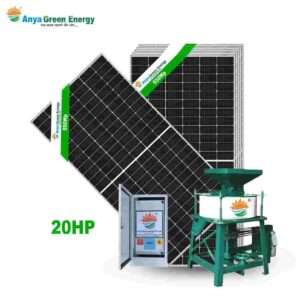 20HP Atta Chakki with Mone Perc Half cut 550W Panel
₹1,200,000.00Original price was: ₹1,200,000.00.₹1,060,000.00Current price is: ₹1,060,000.00. -
 15HP Atta Chakki with Mone Perc Half cut 670W Panel
₹900,000.00Original price was: ₹900,000.00.₹850,000.00Current price is: ₹850,000.00. -
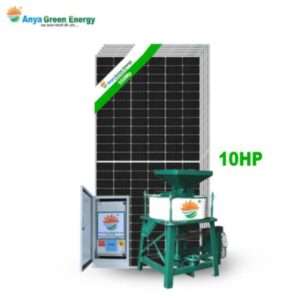 10HP Atta Chakki with Mone Perc Half cut 550W Panel
₹650,000.00Original price was: ₹650,000.00.₹590,000.00Current price is: ₹590,000.00.