Practical Solar Training for Students: Skills, Tools and Career Roadmap in India

India is installing solar plants on homes, schools, factories, and farms at record speed. Every plant needs trained people to design, install, and maintain it. That is why practical solar training for students has become a smart first step toward a clean energy career.
This guide explains what students learn, which tools they use, and where the training leads. It also introduces AGESA (Anya Green Energy Solar Academy), our upcoming online academy. If you are exploring solar training for students in India, this roadmap will help you choose with confidence.
Why Practical Solar Training for Students Matters Today
Degrees and diplomas teach theory, but employers hire people who can work on a live system. A student who has wired a string or tested an inverter stands out at once. This is the gap that practical solar training for students is built to close.
Policy support adds to the demand. Schemes such as PM Surya Ghar Muft Bijli Yojana and MNRE-backed programmes are creating a large base of rooftop systems that need skilled installers. Students who prepare early are ready when these openings appear.
The sector also rewards variety. A trained student can move into installation, testing, maintenance, design support, or sales. That flexibility makes early skill-building a low-risk, high-reward decision
What Hands-On Solar Training Includes
Good training follows the life of a real solar project. Students learn how a plant is surveyed, designed, installed, tested, and maintained. Each stage includes a task they perform themselves.
Hands-on solar training puts tools in the learner’s hands from the very start. Students wire panels, crimp connectors, read meters, and trace faults. Mistakes made in a safe learning setup become lessons that last.
Learners also see how components fit together. Modules, inverters, mounting structures, cables, and protection devices are handled one by one and then assembled into a working system. Seeing the whole chain makes later study far easier.
A well-planned curriculum covers site survey, system sizing, DC and AC wiring, earthing, inverter setup, testing, and basic maintenance. It also teaches report writing, because every site needs clear records.
Ready to switch to Solar?
Solar solutions with Anya Green Energy and discover how you can reduce your electricity bills.
Contact UsCore Skills Built Through Practical Solar Training for Students
Technical skill comes first. Students learn string sizing, cable selection, polarity checks, and inverter configuration. They also learn to read single-line diagrams, which every solar job demands.
Practical solar training for students also builds habits that employers prize. These include safe working, neat documentation, and calm problem solving. Such habits often decide who gets hired when two candidates have similar marks.
Soft skills matter as well. Students practise explaining a fault to a customer in simple words. They also learn to work in a crew, follow instructions, and report progress honestly.
Over time, these skills combine into real confidence. A learner who can plan, test, and document a small system is ready to join a site team.
Who Should Join Solar Training for Students in India
Practical solar training for students suits beginners and technical learners alike. ITI and polytechnic students can build a direct route to technician and supervisor roles. Engineering students can add site skill to their degree.
Solar training for students in India also helps school leavers who want an early start in a growing sector. Science and commerce graduates can enter through sales, liaison, and procurement tracks. Teachers and trainers can use the same learning to upgrade their classroom teaching.
Working adults are welcome too. Many prefer online solar training because it fits around a job or college timetable. Learners from small towns benefit most, since quality coaching reaches them without relocation.
Tools and Equipment Students Learn to Use
Real tools make real learning. Students handle multimeters, clamp meters, insulation testers, earth resistance testers, and crimping tools. They also meet thermal cameras and IV curve tracers as they advance.
Hands-on solar training teaches the right way to use each instrument and read its result. A wrong reading can hide a dangerous fault. Practical solar training for students therefore stresses accuracy over speed.
Software is part of the toolkit too. Learners practise AutoCAD for layouts and PVsyst for yield estimates. In online solar training, simulators let students trace virtual faults safely.
Even basic Excel skill helps with reports and material lists. Employers notice learners who can present clean data.
Classroom Learning vs Practical Learning
The table below shows how practical learning changes the outcome for a learner.
| Aspect | Theory Only | Practical Solar Training for Students |
|---|---|---|
| Site confidence | Low, based on diagrams | High, based on real wiring |
| Fault finding | Learned from books | Practised on live rigs |
| Interview answers | General and textbook-like | Specific and example-based |
| Employer view | Needs extra training | Closer to job-ready |
The difference is clear in interviews. A candidate who completed practical solar training for students can describe a real test and its readings. Recruiters remember such answers.
Theory is still important. The best results come when classroom concepts and workshop practice support each other. Hands-on solar training turns those concepts into habit.
Safety Practices Every Student Must Learn
Safety comes before every task. Solar strings stay energised whenever sunlight falls on the modules. Rooftops add the risk of falls.
Quality practical solar training for students teaches isolation, lockout, and tagging before any wiring begins. It also covers harness use, protective equipment, and safe handling of heavy panels. Students learn the CEA regulations and DISCOM rules that govern real installations.
A good lab setup lets learners make mistakes without risk. Hands-on solar training in such a setting builds respect for procedure. Basic precautions include checking for live circuits, using insulated tools, and never working alone at height.
Safe habits formed early last an entire career. A disciplined student becomes a trusted technician later.
How to Choose Practical Solar Training for Students
Not every programme delivers real skill. Ask how much of the session is spent on actual equipment rather than slides. Ask who the trainers are and whether they have worked on live sites.
Look for a clear solar training certification that employers recognise. A good solar training certification should reflect tested skills, not mere attendance. Also check whether the provider offers internships and placement help.
For learners outside big cities, online solar training can be a strong option when it includes live mentoring and recorded site cases. Compare sample sessions before you commit.
Choosing practical solar training for students with transparent content protects your time and money. Read reviews, speak to past learners, and ask for a syllabus outline.
AGESA (Anya Green Energy Solar Academy): Launching Soon
AGESA (Anya Green Energy Solar Academy) is launching solar training and internship programmes, delivered mostly through online coaching. These programmes are designed to provide practical solar training for students and early-career learners. The focus is job-ready skill for freshers, teachers, and working professionals.
AGESA will offer solar training for students in India through live classes, mentor-led sessions, and project-based tasks. Learners will practise with design software, simulation tools, and recorded site cases. Internships at Anya Green Energy will give hands-on exposure to real solar projects.
For freshers, AGESA will provide entry-level coaching, internships, and job placement support. For teachers and trainers, it will offer curriculum support and train-the-trainer programmes. This helps institutes deliver hands-on solar training with industry-aligned material.
AGESA’s online solar training will also suit ITI and diploma students and working professionals who cannot attend a physical campus. Each learner will build a portfolio of practice work before the first interview. A recognised solar training certification from AGESA will strengthen that portfolio.
Participants receive placement support through Anya Green Energy’s network and partner companies. Many interns may convert to full-time roles after strong performance. In short, AGESA aims to make practical solar training for students accessible from any city, town, or village.
Career Paths After Practical Training
Students who complete practical solar training for students can enter several roles. Employers include EPC firms, developers, O&M contractors, and manufacturers. The table below shows common starting points, which are illustrative and not guarantees.
| Background | Possible First Role | Growth Direction |
|---|---|---|
| ITI | Solar Technician | Site Supervisor |
| Diploma | O&M or Junior Site Engineer | Project Engineer |
| B.Tech | Graduate Engineer Trainee | Design or Commissioning Engineer |
| Non-Technical Graduate | Sales or Liaison Executive | Department Manager |
Employers value a recognised solar training certification because it signals verified skill. Candidates with a portfolio of practical work often get shortlisted faster.
Solar training for students in India is therefore an investment that starts paying back at the first interview. Entry pay varies by city and employer, so check current market data before planning.
Conclusion
India’s solar growth will keep creating work for people who can build and maintain plants. Practical solar training for students gives learners the confidence, tools, and habits to step into that work.
Choose a programme with live equipment, honest trainers, and a respected solar training certification. Add online solar training if you need flexibility, and keep a portfolio of every task you complete.
Join AGESA’s upcoming programmes to begin practical solar training for students with mentorship and placement support. Start today and take your first confident step into clean energy.
Frequently Asked Questions (FAQs)
What is practical solar training for students?
Practical solar training for students means learning by doing: wiring, testing, and maintaining real solar equipment under guidance. It prepares learners for technician, supervisor, and engineer roles.
Who can join solar training for students in India?
ITI, diploma, engineering, and graduate learners can join, along with teachers and school leavers. Solar training for students in India does not require prior solar experience.
Why is hands-on solar training better than theory alone?
It builds site confidence and fault-finding ability that books cannot give. Employers prefer candidates who have already handled real equipment.
Is online solar training effective?
Yes, when it includes live mentoring, simulations, and recorded site cases. Quality online solar training also offers internships to add real project exposure.
Does a solar training certification help in getting jobs?
A recognised solar training certification proves verified skill and improves shortlisting chances. Pair it with a project portfolio for the best results.
Trusted by 50000+ Customers
Anya Green Energy is a leading solar company and Solar Energy service provider established in 2013. We are recognized by startup India and customer best choice award 2022.
Our Achievements :
Recognized by Startup India.
Purvanchal’s first solar company to operate exclusively with solar products.
Certified by well-known institutions such as MSME, IndiaMart, and Just Dial and many more.
Winner of the Best Customer Choice Award 2022.
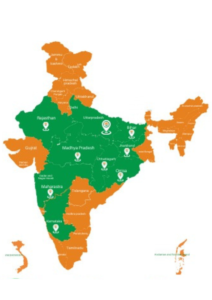
Over 50,000 happy customers across India.